Introduction to Needle Photoelectric Sensors
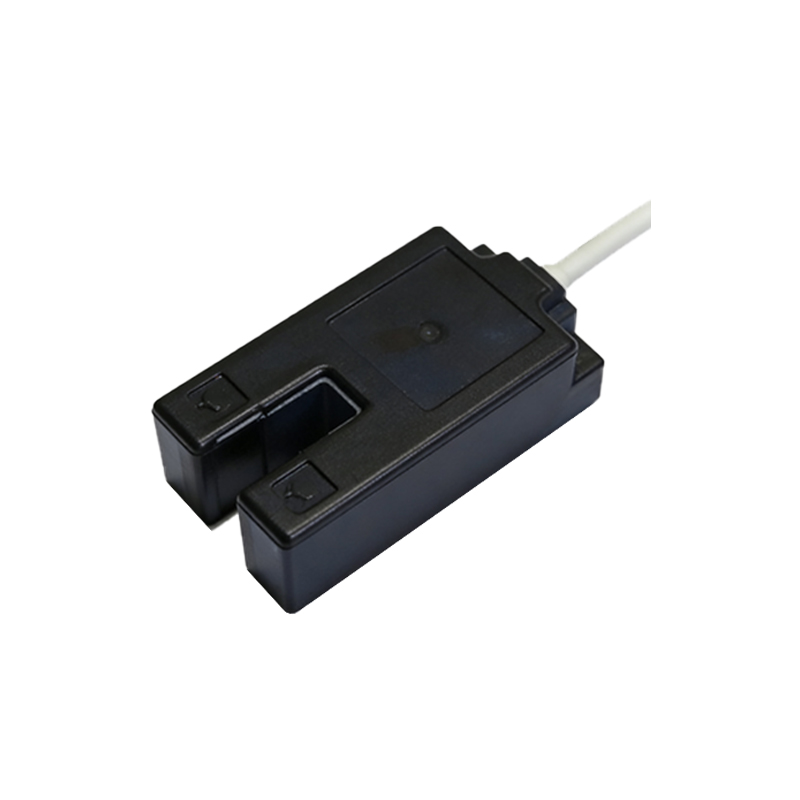
Needle photoelectric sensors, characterized by their slender, needle-like housing, represent a specialized category within the photoelectric sensor family. Designed for precision detection in confined spaces, these sensors operate on the fundamental principle of emitting a light beam—typically infrared, red, or laser—and detecting changes in the received light intensity. The compact form factor allows for installation in tight locations where standard sensors cannot fit, making them indispensable in modern, high-density automated systems. Their primary function is to detect the presence, absence, or position of objects with high accuracy, often in applications requiring minute sensing distances and minimal physical intrusion.
Core Operating Principles and Technologies
These sensors primarily utilize three main sensing modes: through-beam, retro-reflective, and diffuse-reflective. In through-beam mode, the emitter and receiver are separate units; an object is detected when it interrupts the light beam. This mode offers the longest sensing range and highest reliability. Retro-reflective mode employs a single housing containing both emitter and receiver, using a reflector to bounce the light back. Detection occurs when the beam is blocked. Diffuse-reflective mode, also with a combined emitter/receiver, detects objects based on the light reflected directly from the target's surface. Advanced models incorporate background suppression technology, which allows them to ignore objects beyond a set distance, and precise focus adjustment to define a very exact sensing point, crucial for detecting small components.
Key Advantages in Industrial Applications
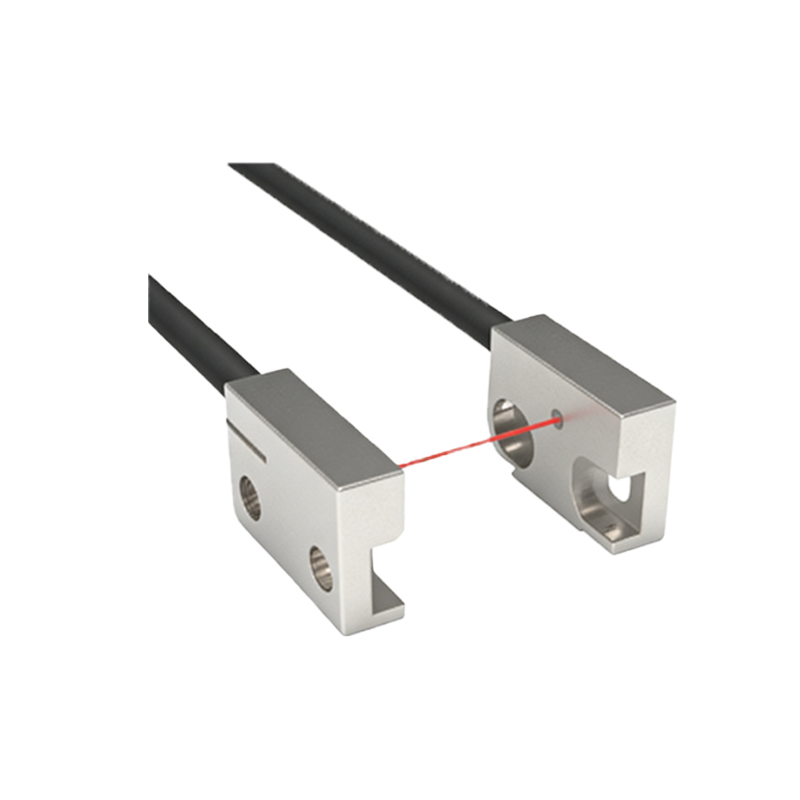
The defining advantage of needle sensors is their ability to perform in extremely limited spaces. Their slender profile enables mounting between machine parts, inside small fixtures, or on robotic end-effectors without interfering with mechanical movement. They offer high repeat accuracy, often in the sub-millimeter range, ensuring consistent detection of tiny parts like electronic chips, micro-springs, or fine wires. Furthermore, their response time is exceptionally fast, capable of detecting objects at high speeds on conveyor lines. The robust housing, often made of stainless steel, provides resistance to vibration, minor impacts, and environmental contaminants like dust or oil mist, ensuring longevity in harsh industrial settings.
Typical Use Cases and Industry Examples
Needle photoelectric sensors are ubiquitous across precision manufacturing sectors. In the electronics industry, they verify the placement of surface-mount devices (SMDs) on printed circuit boards (PCBs) and check for the presence of tiny connectors. Within automated assembly lines, they confirm the insertion of pins or screws in deep, narrow holes. The packaging industry relies on them to detect the leading edge of thin films, foils, or labels. In semiconductor manufacturing, they are critical for wafer positioning and robot arm guidance. Additionally, they are used in medical device assembly to ensure the correct orientation of small components and in textile machinery to monitor thread breakage.
Selection Criteria and Installation Considerations
Selecting the appropriate needle sensor requires careful analysis of several parameters. The required sensing distance, object size, and material (opaque, translucent, or reflective) dictate the choice of sensing mode and light source type. Environmental conditions such as ambient light, temperature extremes, and exposure to chemicals influence the needed ingress protection (IP) rating and housing material. Electrical output type (NPN/PNP, NO/NC) must match the control system's input card. During installation, precise alignment is paramount, especially for through-beam types. Mechanical stability must be ensured to prevent misalignment from vibration. The sensing tip must be positioned to avoid physical contact with the target to prevent damage, and cabling should be routed away from interference sources like motors or high-voltage lines.
Maintenance, Troubleshooting, and Future Trends
Regular maintenance involves keeping the lens clean from dust and debris to maintain optical performance and periodically checking mounting stability. Common issues include failure to detect, which may stem from misalignment, dirty lenses, incorrect sensing distance settings, or electrical supply problems. Interference from strong ambient light can be mitigated by using sensors with modulated light signals. Looking forward, integration of IO-Link communication is becoming standard, enabling digital parameter setting, remote monitoring, and predictive maintenance data exchange. Miniaturization continues to push the limits of sensor size, while enhanced intelligence allows for more sophisticated background discrimination and color detection capabilities, further expanding their role in smart factories and Industry 4.0 applications.