What is a Proximity Sensor?
A proximity sensor is a non-contact electronic device designed to detect the presence or absence of an object within a specified range without any physical contact. Unlike mechanical limit switches, these sensors operate by emitting an electromagnetic field, beam of light, or acoustic waves and then detecting changes in the return signal or field. The primary types include inductive (for metallic objects), capacitive (for both metallic and non-metallic objects), ultrasonic, and photoelectric sensors. Their core function is to provide a reliable signal to a control system, indicating that an object is "present" or "absent" within the sensing zone. This fundamental capability forms the backbone of countless automation and safety applications across diverse sectors, from manufacturing assembly lines to consumer electronics.
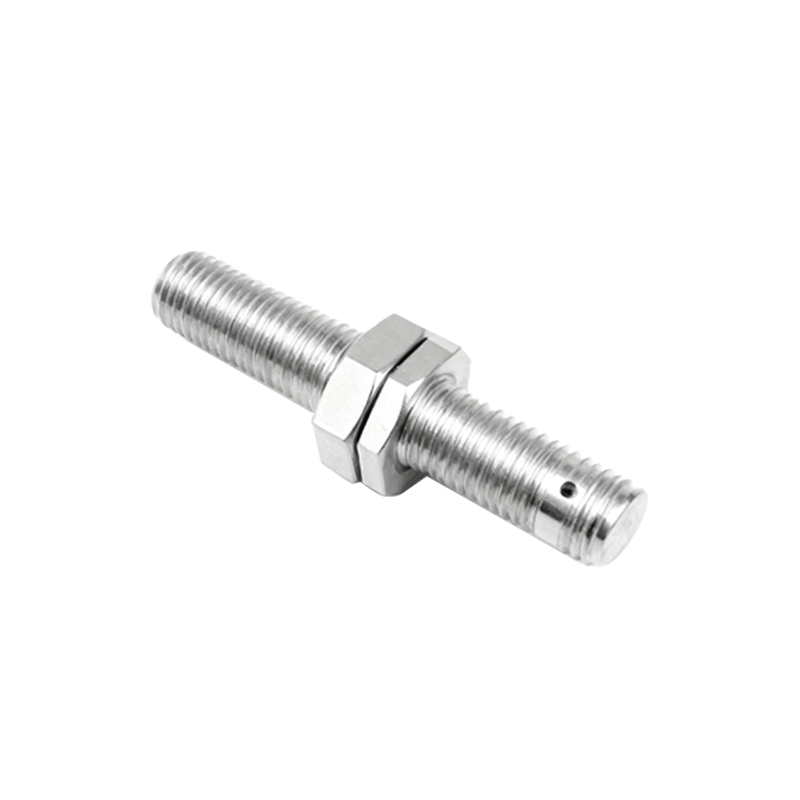
Enhancing Industrial Automation and Efficiency
In the realm of industrial automation, proximity sensors are indispensable workhorses. They are strategically deployed on production lines to perform critical tasks such as object detection, counting, positioning, and jam detection. For instance, an inductive proximity sensor can verify if a metal component is correctly positioned on a conveyor belt before a robotic arm performs a welding operation. This prevents defective products and costly machine crashes. Capacitive sensors can detect the level of liquids or granular materials inside non-metallic containers, enabling precise inventory control and automated refilling processes. By providing real-time, accurate data to Programmable Logic Controllers (PLCs), these sensors enable seamless, high-speed, and repeatable operations, drastically reducing cycle times and minimizing human intervention, which translates directly into higher productivity and lower operational costs.
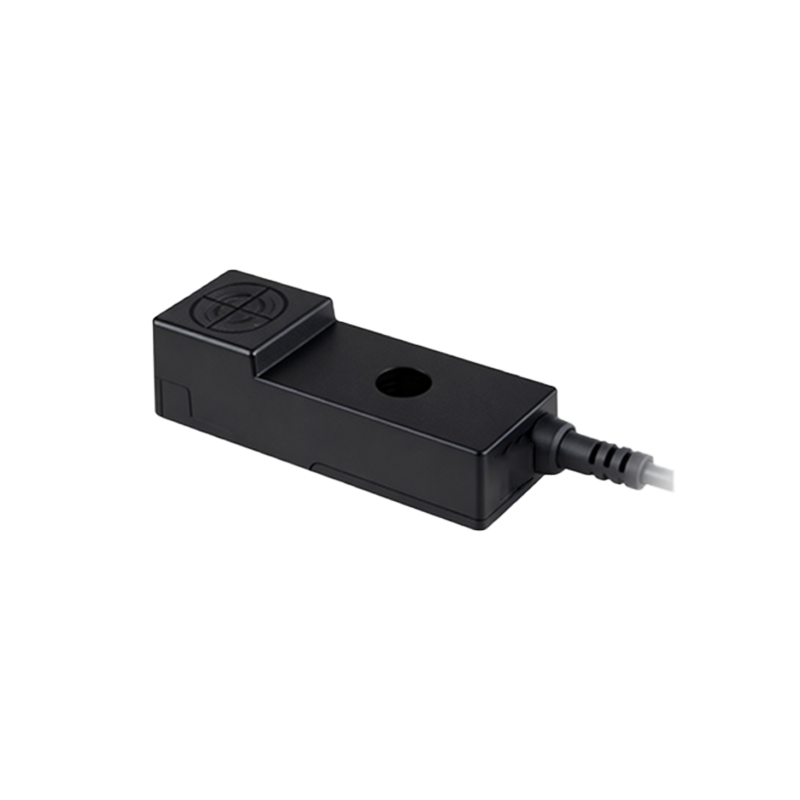
Ensuring Machine and Personnel Safety
Beyond productivity, a paramount use of proximity sensors is safeguarding both machinery and human operators. They are integral components of safety systems and safety light curtains. Safety-rated proximity sensors can be used as part of a machine's interlock guarding system; if a protective door is opened while the machine is operational, the sensor immediately detects the change and sends a stop signal to the power source, preventing potential injury. In automated guided vehicles (AGVs) and collaborative robot (cobot) workspaces, ultrasonic or laser proximity sensors create a protective zone, slowing down or stopping the equipment when a person enters a predefined hazardous area. This application of "presence sensing" is crucial for complying with stringent occupational health and safety regulations like those outlined by OSHA and ISO standards, fostering a safer working environment.

Enabling Precision in Automotive Manufacturing
The automotive industry relies heavily on the precision and reliability of proximity sensors. Throughout the assembly process, sensors are used for tasks requiring micron-level accuracy. They verify the presence of engine components like pistons or valves before assembly, inspect paint thickness on body panels, and ensure correct alignment of windshields and doors. In robotic welding cells, sensors precisely locate sheet metal parts to ensure perfect weld seams. Furthermore, within the vehicle itself, capacitive proximity sensors are used in touch-sensitive control panels, gear shifters, and as part of advanced driver-assistance systems (ADAS), such as parking assist sensors that detect obstacles around the vehicle. This dual role—in both manufacturing the car and enhancing its features—highlights the sensor's versatility.
Integration in Consumer Electronics and Smart Devices
The utility of proximity sensors extends far beyond heavy industry into everyday consumer products. A common example is the smartphone in your pocket. A small infrared proximity sensor located near the earpiece detects when the phone is held to your face during a call. It then automatically turns off the touchscreen display to prevent accidental cheek-touches and saves battery power. Similarly, in tablets, laptops, and smart home devices, these sensors enable features like automatic screen wake-up when a user approaches or "hand-waving" gestures to control lights or faucets without physical contact—a feature that gained immense importance for hygiene during the recent global health concerns. This seamless integration enhances user experience, convenience, and device intelligence.
Contributing to Energy Conservation and Smart Systems
Proximity sensors play a significant role in energy management and the development of smart infrastructure. In building automation, passive infrared (PIR) sensors, a type of proximity sensor, are ubiquitous in lighting control systems. They detect human movement within a room and automatically switch lights on or off, leading to substantial energy savings in offices, warehouses, and public restrooms. In public facilities, sensor-activated faucets, soap dispensers, and hand dryers promote hygiene and reduce water and paper waste. On a larger scale, sensors monitor the proximity of vehicles at toll booths or parking garages, facilitating automated payment systems and reducing traffic congestion. As the Internet of Things (IoT) expands, the data from networked proximity sensors will continue to optimize resource use and enable smarter, more responsive environments