Introduction to Proximity Sensor Model Cross-Referencing
Navigating the vast landscape of proximity sensor models from various manufacturers can be a significant challenge for engineers, maintenance technicians, and procurement specialists. A model cross-reference guide serves as an indispensable tool, enabling professionals to identify functional equivalents and suitable replacements across different brands. This process is critical for minimizing machine downtime, managing spare parts inventory, and ensuring system compatibility during upgrades or repairs. Understanding the key parameters that define sensor equivalence is the first step toward effective cross-referencing and maintaining optimal operational efficiency in automated systems.
Key Parameters for Accurate Sensor Matching
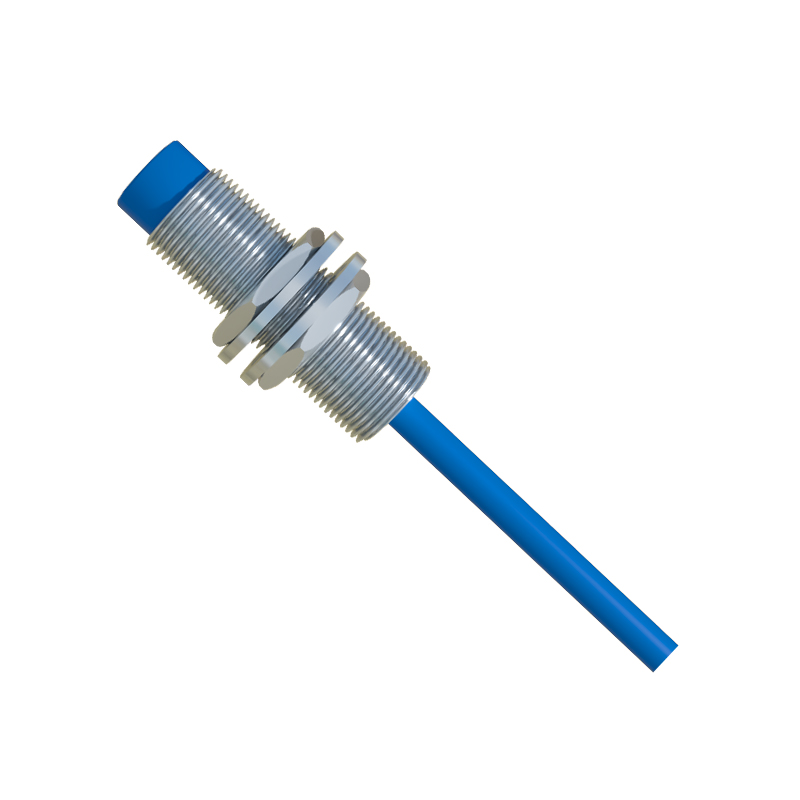
Successful cross-referencing hinges on a precise comparison of technical specifications beyond just the model number. The primary parameters include sensing technology (inductive, capacitive, or ultrasonic), sensing distance (nominal and assured), output type (PNP/NPN, NO/NC, analog, or IO-Link), electrical characteristics (voltage range, current consumption, and load current), housing material and size (typically cylindrical M8, M12, M18, M30, or rectangular), and connection method (connector type or cable outlet). Additionally, factors like switching frequency, temperature rating, IP protection class, and special features (e.g., weld-field immunity, flush-mount capability) must be meticulously evaluated to ensure the substitute sensor performs reliably in the specific application environment.
Major Manufacturer Series and Common Equivalents
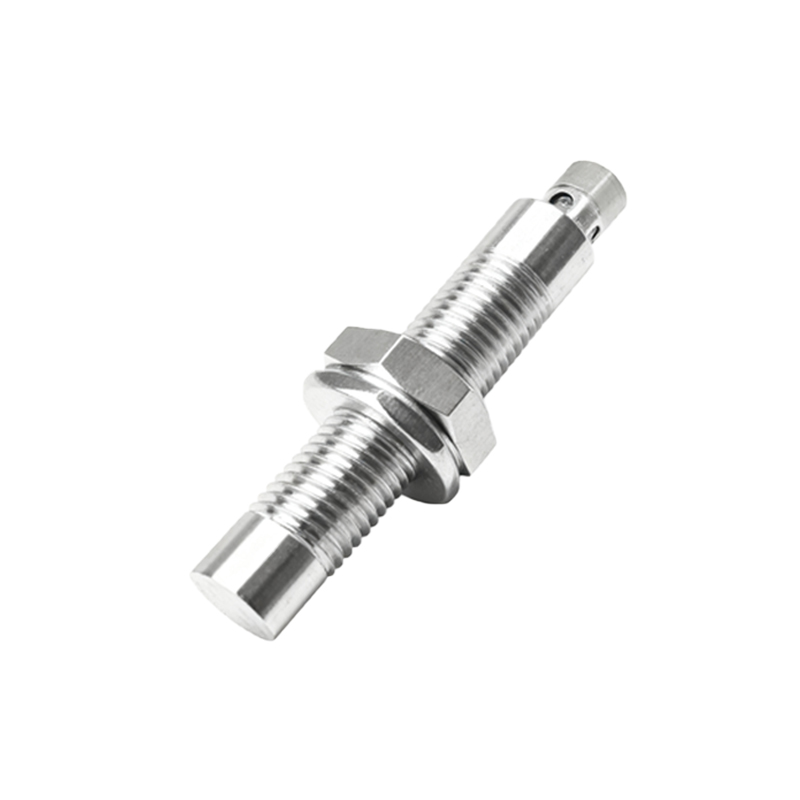
The industrial sensor market is dominated by several key players, each with distinct product series. For inductive proximity sensors, common series include Siemens' 3RG/3RH, Sick's IME/IMM, Pepperl+Fuchs' NBN/NCN, Omron's E2E/E2A, and Balluff's BES/BOS. Capacitive sensor lines often include Turck's BC/CS series and IFM's EC/YC models. While direct one-to-one replacements are rare, knowledge of these families allows for intelligent matching. For instance, a Siemens 3RG70 3-6V DC sensor might be functionally replaced by a Pepperl+Fuchs NBN8-12GM50-E2 or an Omron E2E-X8MD1, provided the mechanical dimensions and electrical interfaces are compatible. Always consult the detailed datasheets for confirmation.
Step-by-Step Cross-Referencing Methodology
A systematic approach is essential for reliable results. First, gather the complete part number and manufacturer of the existing sensor. Second, obtain its original datasheet to list all critical specifications. Third, use online cross-reference tools provided by major distributors or sensor manufacturers, inputting the known model number. These tools generate a list of potential alternatives. Fourth, perform a manual parameter-by-parameter comparison between the suggested alternatives and your original specs, paying close attention to any discrepancies in mounting, sensing range, or output configuration. Finally, consider environmental factors and application-specific requirements before finalizing the selection.
Utilizing Online Databases and Digital Tools
Modern digital resources have revolutionized the cross-referencing process. Platforms like Allied Electronics, Digi-Key, and Newark offer robust online search engines with cross-reference functionality. Manufacturer websites often provide detailed product selectors and substitution guides. Furthermore, advanced digital catalogs and configurators from companies like SICK or Turck allow for parametric searches based on the required specifications, effectively building a sensor from the ground up to match the needed function. Leveraging these tools saves considerable time and reduces the risk of human error in the matching process.
Considerations for Retrofit and System Integration
When replacing a sensor, especially with a model from a different manufacturer, integration considerations are paramount. Verify the mechanical fit, including thread size, length, and mounting bracket compatibility. Ensure the electrical connection is identical; a sensor with a quick-disconnect plug cannot directly replace one with a fixed cable without also changing the receptacle on the cable harness. Confirm the output logic (sourcing vs. sinking) matches the PLC input card's expectations. For networks using IO-Link or AS-Interface, the device profile and parameterization must be compatible. A physical and functional test of the installed substitute sensor under actual operating conditions is always recommended.
Best Practices for Inventory Management
A well-maintained cross-reference list is a strategic asset for plant inventory management. It empowers teams to standardize sensor types where possible, reducing the number of unique part numbers stocked. This consolidation leads to cost savings, simpler training, and faster troubleshooting. Document successful substitutions in a central database, noting the original part, the verified replacement, the machine application, and any installation notes. This living document becomes a valuable knowledge base, accelerating future repair decisions and fostering more informed discussions with suppliers regarding