Introduction to Photoelectric Sensors
Photoelectric sensors are pivotal components in modern automation and control systems, leveraging light beams to detect objects, measure distances, or identify specific conditions. These sensors operate by emitting light—typically infrared, visible, or laser—and analyzing the reflected or interrupted signal. Common types include through-beam, retro-reflective, and diffuse reflective sensors, each suited for distinct applications based on range, environmental factors, and precision requirements. In microcontroller-based setups, photoelectric sensors serve as critical input devices, enabling real-time data acquisition for decision-making processes. Their integration enhances system responsiveness and accuracy, making them indispensable in industrial, automotive, and consumer electronics domains. Understanding their fundamental principles is essential for effective implementation in embedded designs.
Working Principles and Signal Processing
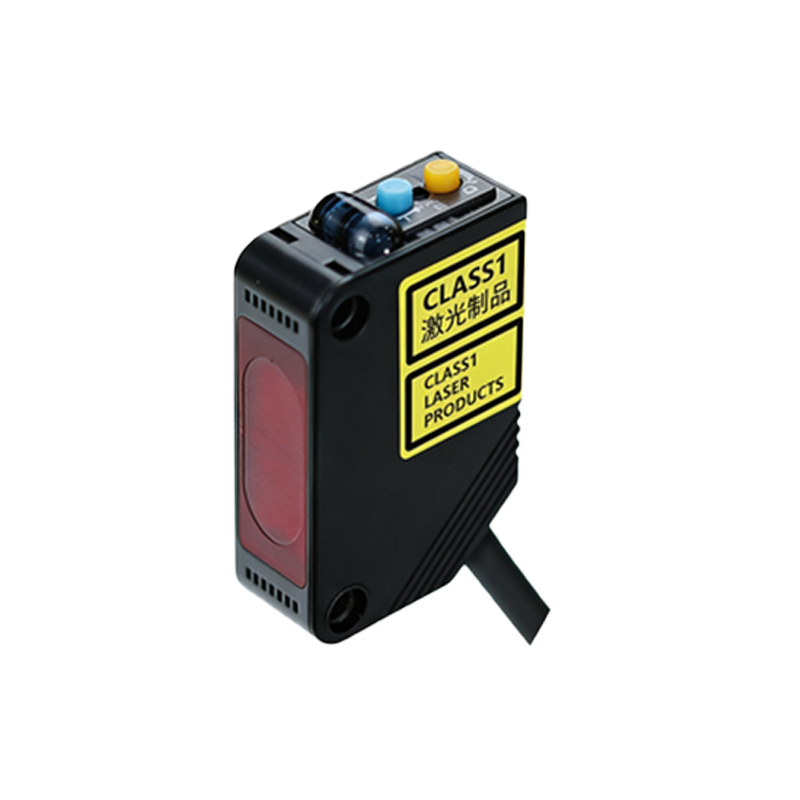
The core mechanism of a photoelectric sensor involves a light emitter and a receiver. When an object interferes with the light path, the receiver detects changes in intensity, triggering an output signal. In microcontroller interfaces, this analog signal often requires conditioning through amplifiers or comparators before conversion to digital data via ADCs. Noise reduction techniques, such as filtering or modulation, are crucial to ensure reliability in electrically noisy environments. For instance, pulsed light emission can minimize ambient light interference, improving signal-to-noise ratios. Microcontrollers process these signals to execute tasks like counting objects on a conveyor belt or activating safety mechanisms. Advanced sensors may incorporate digital protocols like I2C or SPI for direct communication, simplifying integration and reducing external circuitry.
Integration with Microcontroller Hardware
Connecting photoelectric sensors to microcontrollers involves both hardware and software considerations. Typically, sensors output either analog voltage or digital signals. For analog outputs, microcontrollers utilize built-in ADCs to sample data, while digital outputs connect directly to GPIO pins. Power supply requirements must align; many sensors operate at 5V or 3.3V, necessitating voltage regulation to match microcontroller levels. Circuit protection elements, such as resistors or optocouplers, safeguard against voltage spikes. In embedded designs, modular sensor boards or breakout kits facilitate prototyping. For example, integrating an infrared proximity sensor with an Arduino or STM32 board enables rapid development of obstacle detection systems. Proper grounding and shielding are vital to prevent electromagnetic interference, ensuring stable sensor readings.
Programming and Algorithm Development
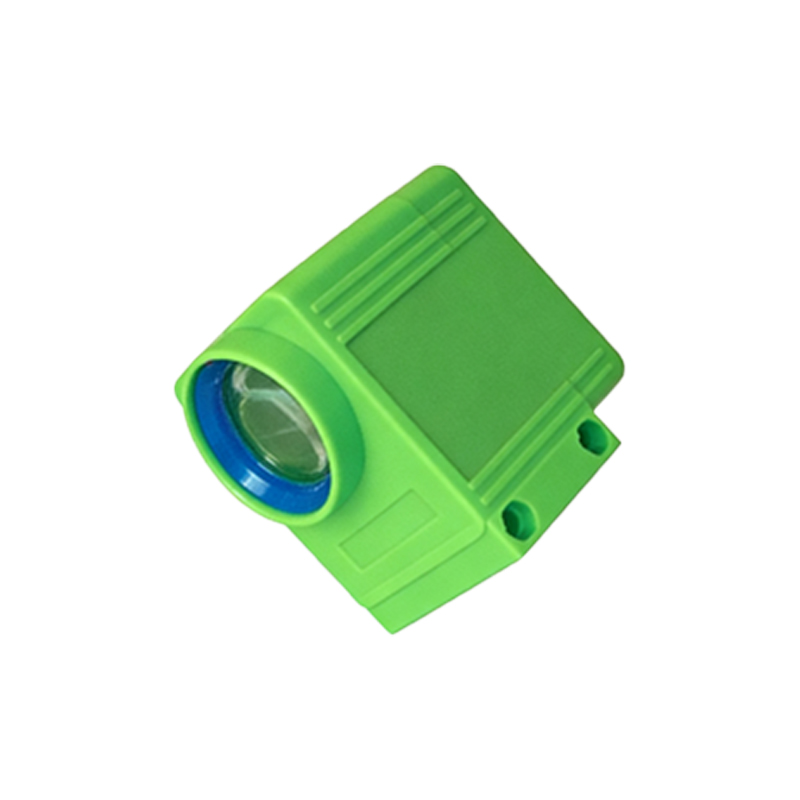
Software implementation for photoelectric sensors focuses on interpreting sensor data to drive system actions. Microcontroller firmware often employs polling or interrupt-based methods to read inputs. In polling, the CPU periodically checks sensor states, suitable for low-priority tasks. Interrupts provide immediate responses upon signal changes, ideal for time-sensitive applications like emergency stops. Algorithms may include calibration routines to account for environmental variations, such as ambient light levels. For instance, a threshold-based approach can differentiate between object presence and absence by comparing ADC values. More complex systems use machine learning models on edge devices to classify objects based on light patterns. Code optimization ensures minimal latency, critical in high-speed automation. Libraries and APIs from sensor manufacturers streamline development, reducing coding effort.
Industrial and Commercial Applications
Photoelectric sensors paired with microcontrollers are ubiquitous across industries. In manufacturing, they enable precise positioning in robotic arms, quality inspection on assembly lines, and packaging automation. Automotive systems rely on them for obstacle detection in ADAS, fluid level monitoring, and anti-pinch windows. Consumer electronics incorporate sensors for touchless interfaces, ambient light adjustment in displays, and smart home security. Medical devices use them for non-invasive diagnostics, such as pulse oximeters. Each application demands tailored sensor selection—e.g., long-range through-beam sensors for warehouse logistics versus compact diffuse sensors for handheld gadgets. The scalability of microcontroller platforms allows cost-effective customization, fostering innovation in IoT and Industry 4.0 ecosystems.
Challenges and Future Trends
Despite advantages, integrating photoelectric sensors with microcontrollers presents challenges. Environmental factors like dust, moisture, or extreme temperatures can degrade performance, requiring protective housings or specialized models. Power consumption constraints in battery-operated devices necessitate low-energy sensor designs and sleep modes in firmware. Compatibility issues between sensor outputs and microcontroller specifications may arise, demanding level shifters or signal converters. Looking ahead, trends include miniaturization of sensors with enhanced sensitivity, integration of AI for predictive maintenance, and wireless sensor networks using protocols like LoRa or Bluetooth Low Energy. Advances in MEMS technology and smart sensors with embedded processing will further simplify microcontroller integration, driving efficiency in automated systems.