Introduction to Through-Beam Photoelectric Sensors
Through-beam photoelectric sensors, often referred to as long bar sensors due to their distinctive form factor, are a cornerstone of modern industrial automation. These devices operate on a simple yet highly effective principle: a separate emitter unit projects a beam of light—typically infrared, visible red, or laser—towards a receiver unit positioned directly opposite. The receiver continuously monitors this light beam. An object is detected when it physically interrupts the beam's path, causing the receiver's output state to change. This "break-beam" method provides the longest sensing range and highest excess gain of any photoelectric sensing mode, making it exceptionally reliable for detecting objects of varying colors, surface finishes, and transparency levels, even in challenging environmental conditions.
Key Advantages and Operational Benefits
The primary advantage of the long bar through-beam configuration is its unparalleled reliability and sensing distance. Because the emitter and receiver are separate, the system is not susceptible to false triggers from highly reflective or dark-colored targets that can confuse reflective or diffuse sensors. The focused beam allows for precise detection at distances exceeding 20 meters in some models. Furthermore, these sensors exhibit a high degree of immunity to ambient light interference and contamination buildup on the lenses, as a significant reduction in light intensity is required to trigger detection. This makes them ideal for harsh environments like packaging lines, material handling systems, and automotive assembly plants where dirt, dust, and vibration are common.
Design and Construction of Long Bar Housings
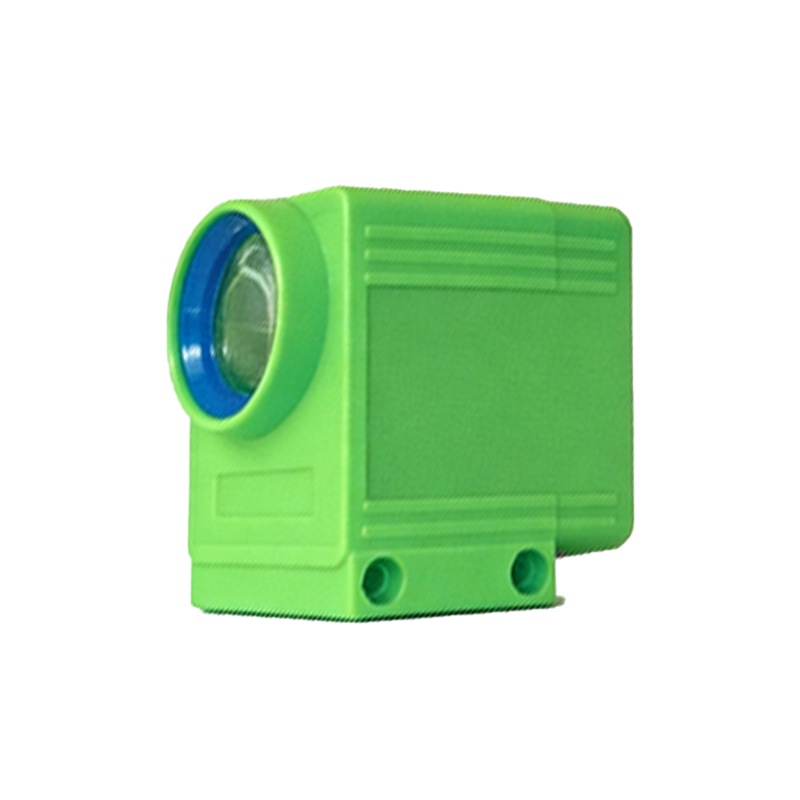
The "long bar" designation refers to the elongated housing that contains either a single, long LED light source or an array of multiple LEDs. This design creates a continuous, curtain-like beam along the length of the sensor, which is perfect for applications requiring detection over a wide area. Common applications include detecting small objects on conveyor belts, verifying the presence of components in a rack, or acting as a safety curtain to protect personnel near machinery. The housings are typically constructed from robust materials like anodized aluminum or industrial-grade plastics, offering high ingress protection (e.g., IP67, IP69K) against water, oils, and particulate matter. Mounting options are versatile, featuring standard brackets or slots for easy integration into machine frames.
Critical Application Considerations
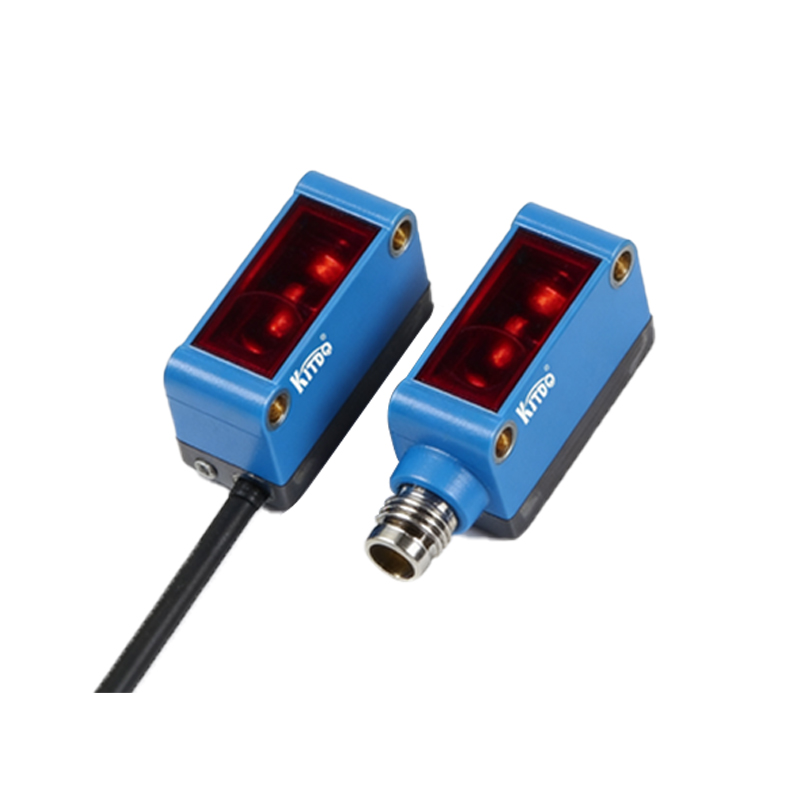
Successful implementation requires careful planning. Precise alignment between the emitter and receiver is paramount; even slight misalignment can drastically reduce operational effectiveness. Manufacturers often incorporate alignment indicators, such as visual beam spots or signal strength LEDs, to aid in setup. The choice of light source is also crucial. Infrared beams are discrete and offer high energy for long-range sensing, while visible red beams simplify alignment. Laser versions provide an extremely narrow, precise beam for detecting very small objects or for high-precision positioning tasks. Engineers must also consider the object's size relative to the beam diameter and the required response speed for high-throughput applications.
Integration and Output Configuration
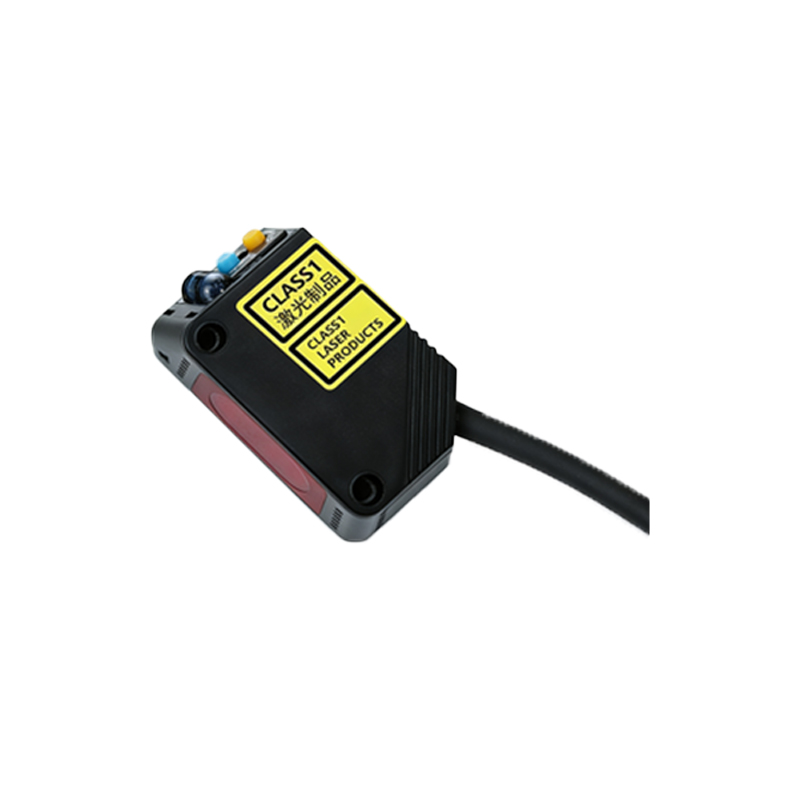
Modern long bar through-beam sensors are designed for seamless integration into industrial control systems. They typically feature programmable logic and a variety of output types, including NPN, PNP, and relay configurations, as well as analog current or voltage outputs for measuring light intensity. Many advanced models support industrial networking protocols like IO-Link, which enables digital communication for parameter setting, diagnostics, and process data monitoring. This connectivity allows for predictive maintenance by tracking lens contamination levels or LED performance degradation over time, minimizing unplanned downtime.
Common Industrial Use Cases
These sensors are ubiquitous across industries. In packaging, they count bottles, verify case sealing, and detect label presence. In automotive manufacturing, they confirm the placement of windows, doors, and other components on assembly lines. In the logistics sector, they form the backbone of parcel dimensioning systems and sortation line object detection. A specialized and critical application is in safety systems, where pairs of long bar sensors create a vertical or horizontal light curtain. When a person or object breaks this curtain, a signal is immediately sent to the machine's safety controller to initiate a protective stop, safeguarding operators from hazardous motion.
Maintenance and Troubleshooting Guidelines
While renowned for durability, long bar sensors require periodic maintenance for optimal performance. The most common issue is lens contamination from dust, grease, or spray. Regular cleaning with appropriate solvents is necessary. Troubleshooting typically involves verifying power supply integrity, checking alignment (often disrupted by machine vibration or impact), and confirming that the object is fully interrupting the beam. Using a manufacturer's diagnostic tool or monitoring the sensor's teach-in or signal strength indicator can quickly isolate problems related to weak signal strength, often caused by misalignment or dirty optics.
Future Trends and Technological Evolution
The evolution of long bar through-beam sensors is closely tied to Industry 4.0. Future developments focus on enhanced intelligence and connectivity. Sensors with built-in background suppression algorithms will better distinguish between target objects and environmental noise. Miniaturization will continue, allowing for installation in tighter spaces without sacrificing performance. Furthermore, the integration of more sophisticated self-diagnostic capabilities and the ability to communicate detailed health status directly to plant-wide monitoring systems will solidify their role as critical, data-providing components in the smart factory ecosystem, driving efficiency and reliability to new heights.