Introduction to Proximity Sensor Fundamentals
Proximity sensors are indispensable components in modern industrial automation, providing non-contact detection of objects within a defined sensing range. Their core function is to detect the presence or absence of a target without physical contact, thereby eliminating mechanical wear and enabling high-speed, reliable operation. The structural design of these sensors is paramount, as it directly influences their performance, durability, and suitability for specific harsh industrial environments. A well-engineered structure ensures protection for the internal electronic components from factors like mechanical shock, vibration, cutting fluids, metal chips, and extreme temperatures. The design process is a careful balance between the sensing technology—be it inductive, capacitive, ultrasonic, or photoelectric—and the mechanical housing that encapsulates it.
Core Structural Components and Materials
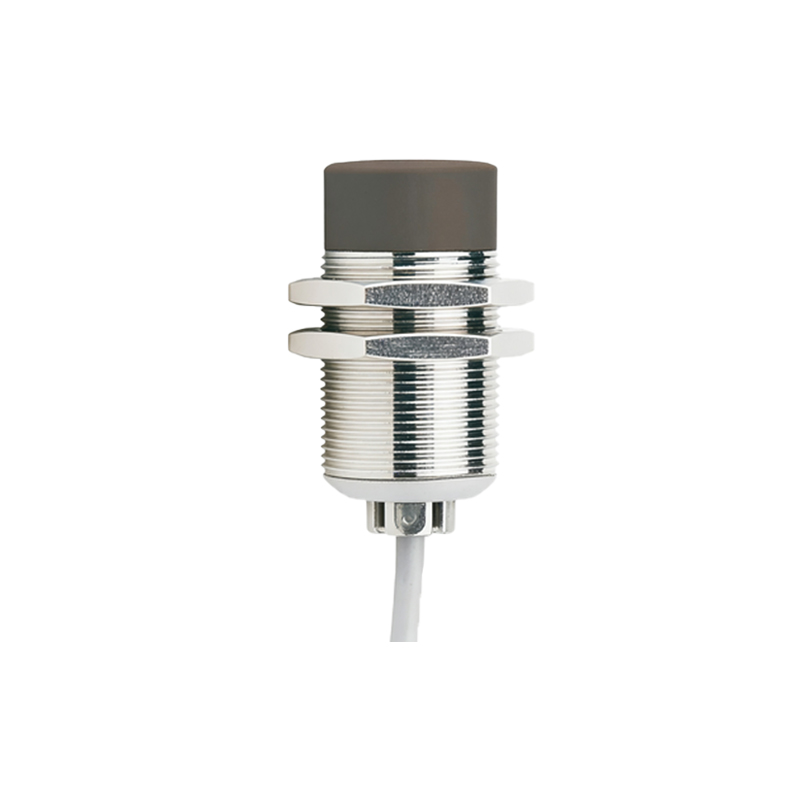
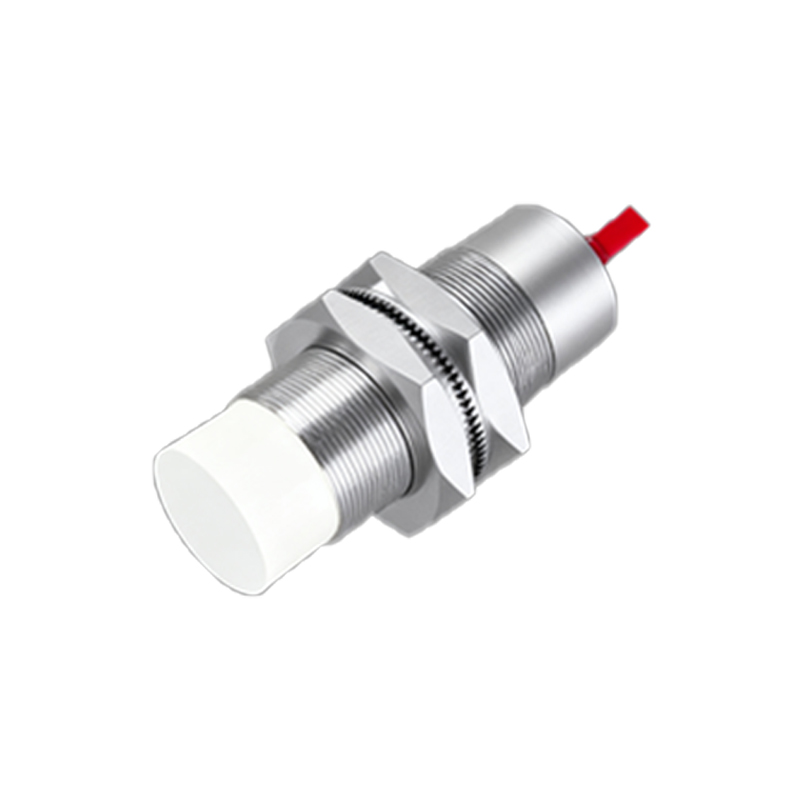
The physical architecture of a typical proximity sensor comprises several key elements. The sensing face, often made of a specialized polymer or ceramic material, is critical. For inductive sensors detecting metals, this face must allow the electromagnetic field to pass through with minimal attenuation. The housing, usually constructed from robust materials like nickel-plated brass, stainless steel (e.g., V4A/AISI 316), or high-grade PBT/PA plastics, provides the primary mechanical and environmental shield. Internal potting compounds, typically epoxy resins, are used to secure the coil and electronic assembly, providing exceptional resistance to shock, vibration, and moisture ingress. The choice of material is dictated by the application: stainless steel for corrosive washdown environments, plastics for non-metallic sensing or cost-sensitive applications, and brass for general-purpose industrial use.
Environmental Sealing and Protection Ratings
A cornerstone of structural design is achieving appropriate ingress protection. The IP (Ingress Protection) rating, such as IP67 or IP69K, defines the level of sealing against solids and liquids. An IP67-rated sensor is dust-tight and can withstand temporary immersion in water, while IP69K signifies protection against high-pressure, high-temperature water jets. This is achieved through meticulous design of seals, gaskets, and the threading of the housing. O-rings, often made from Viton or silicone, are strategically placed at the sensor face and cable entry points. The design of the cable gland or connector interface is equally vital to prevent the wicking of fluids along the cable strands into the sensor body, a common failure point in poorly designed units.
Electrical Connection and Mounting Considerations
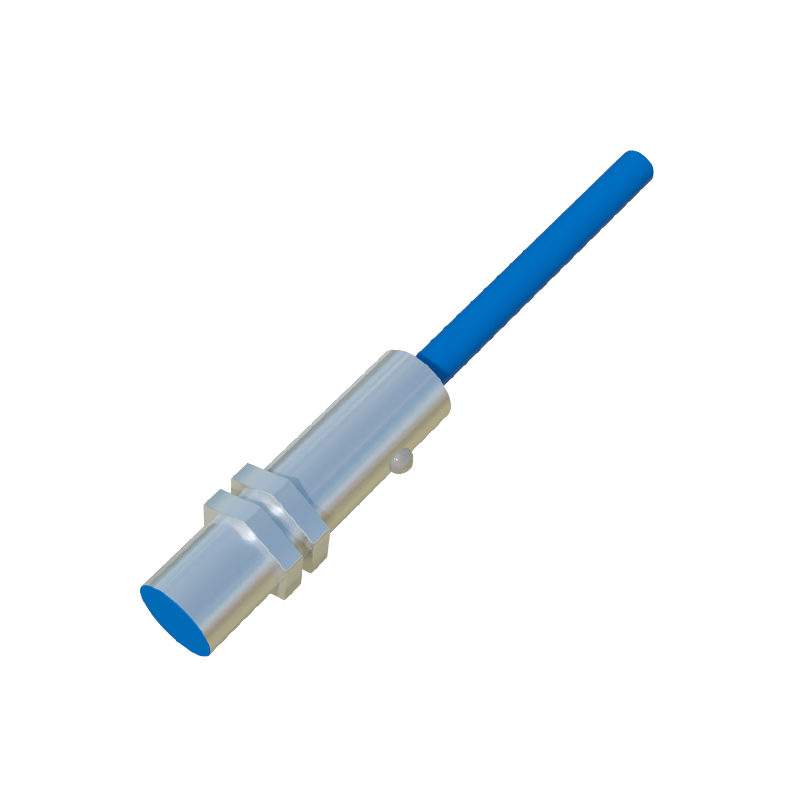
The method of electrical connection and physical mounting significantly impacts sensor installation, maintenance, and longevity. Structural designs include various options: pre-wired cables with strain relief, quick-disconnect M8 or M12 connectors, or terminal blocks. The strain relief mechanism is a critical structural feature that absorbs mechanical stress on the cable, preventing wire breakage at the solder points. For mounting, designers incorporate threaded barrels (e.g., M8, M12, M18, M30), smooth barrels for bracket mounting, or specialized flanges. The mounting geometry must ensure precise and stable positioning while allowing for easy adjustment or replacement. Considerations also include maintaining the correct sensing distance and avoiding "side-approach" errors for inductive sensors by designing appropriate mounting threads and recesses.
Shielding and Sensing Field Management
For inductive and capacitive sensors, managing the electromagnetic or electrostatic field is a crucial structural challenge. Shielded (flush-mountable) and unshielded (non-flush) designs offer different performance characteristics. A shielded sensor has a metal ring surrounding the sensing face, which confines the sensing field radially, allowing it to be mounted flush in metal without triggering false detects. However, this reduces its nominal sensing distance. An unshielded sensor has a longer range but requires a non-metallic surround for installation. The structural design must integrate this shielding element seamlessly into the housing, ensuring it is electrically connected to the sensor's ground without compromising the environmental seal. This design choice is application-specific, dictated by the required range and mounting constraints.
Thermal Management and High-Temperature Designs
Industrial processes often involve elevated ambient temperatures. Proximity sensor structures must manage internal heat generated by the electronics and dissipate heat absorbed from the environment. For standard temperature ranges, the housing material's thermal conductivity and surface area are sufficient. For high-temperature applications (exceeding 100°C), designs may incorporate thermal barriers, high-temperature potting compounds, and specialized materials like PEEK or ceramic for the sensing face. The structural design might also include heat sinks or increased thermal mass to absorb and slowly dissipate heat spikes, protecting the sensitive ASIC (Application-Specific Integrated Circuit) and ensuring stable switching points.
Design for Manufacturing and Assembly (DFMA)
An optimal structural design must also be manufacturable at scale