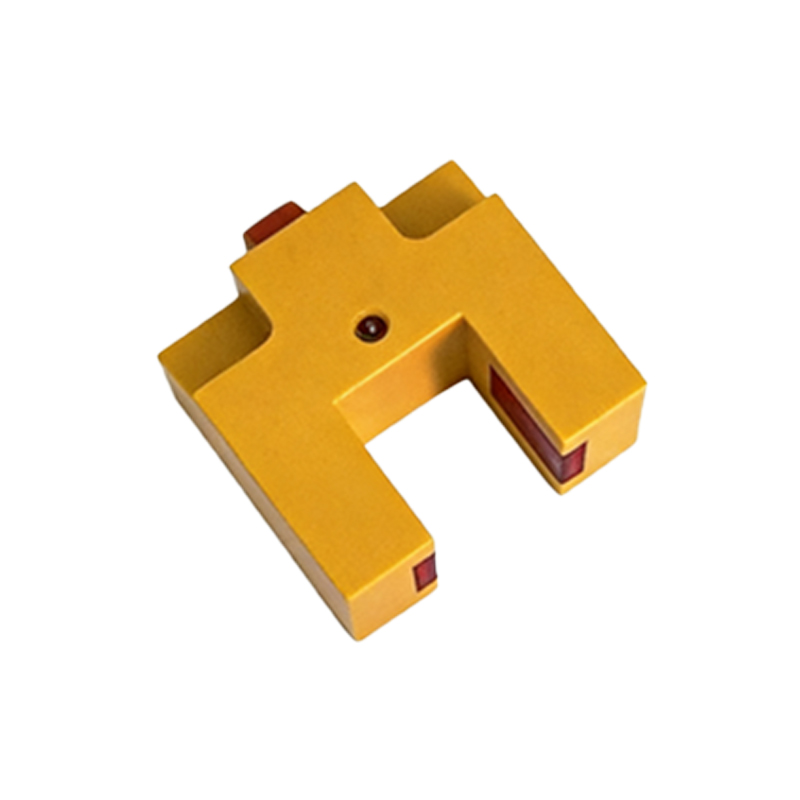
Introduction to the ST198 Sensor
The ST198 represents a widely adopted model in the realm of industrial infrared photoelectric sensors. These devices are fundamental components in automation systems, providing non-contact detection of objects based on the interruption or reflection of an infrared light beam. The ST198 typically operates on the principle of modulated infrared light to ensure high immunity to ambient light interference, a critical feature in varied industrial environments. Its robust construction, often featuring a metal or high-grade polymer housing, is designed to withstand dust, moisture, and mechanical vibrations commonly found on factory floors. The sensor's reliability and straightforward integration have cemented its position as a go-to solution for basic presence detection, counting, and positioning tasks across numerous sectors.
Core Technical Specifications and Operating Principles
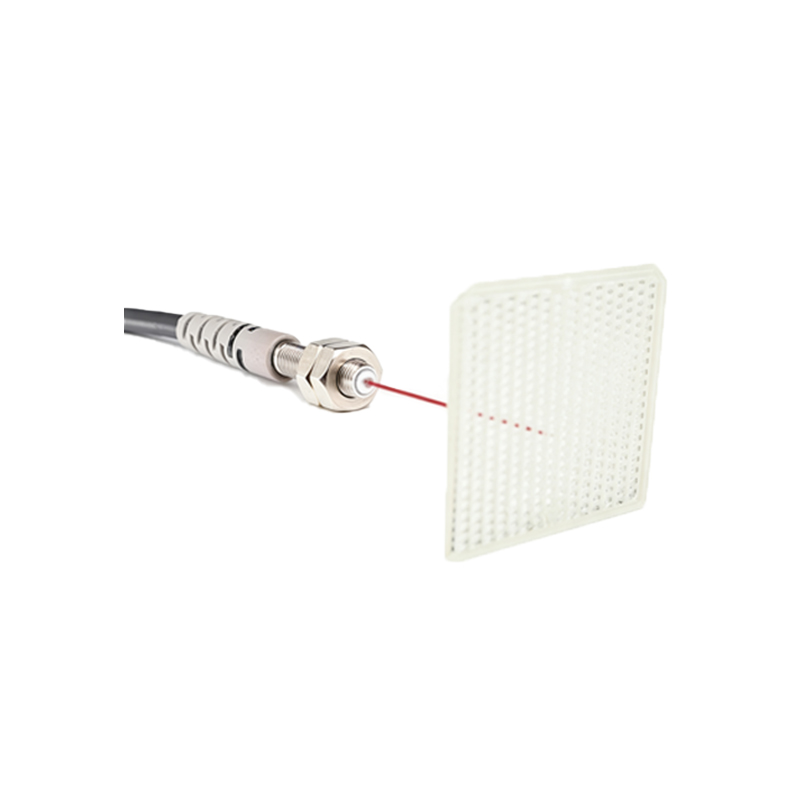
At its heart, the ST198 is a through-beam or retro-reflective type sensor, though diffuse reflective models are also common. It emits a pulsating infrared light signal from an LED. A corresponding receiver detects this signal. In through-beam mode, an object is detected when it breaks the beam between separate emitter and receiver units. In retro-reflective mode, a single unit houses both emitter and receiver, relying on a reflector to bounce the beam back; detection occurs when an object interrupts this return path. Key specifications often include a sensing range up to several meters, a response time in the millisecond range, and a choice of output types such as NPN/PNP transistors or relay contacts. The operating voltage is typically within a standard DC range (e.g., 10-30V DC), ensuring compatibility with common industrial control systems.
Configuration and Installation Best Practices
Proper installation is paramount for optimal performance of the ST198 sensor. Alignment is crucial, especially for through-beam and retro-reflective types; even minor misalignment can lead to false triggers or failure to detect. Mounting the sensor securely on a stable surface minimizes vibration-induced errors. Environmental factors must be considered: although the modulated light reduces interference, placing the sensor away from direct, intense light sources (like welding arcs or sunlight) is advisable. For retro-reflective models, ensuring the reflector is clean and correctly angled is essential. Many ST198 units feature sensitivity adjustment potentiometers and output status LEDs, allowing technicians to fine-tune the sensor for specific applications and verify its operational state during setup and troubleshooting.Common Industrial Applications and Use Cases
The versatility of the ST198 sensor lends itself to a vast array of applications. On packaging lines, it is used to detect the presence of boxes on a conveyor, triggering downstream processes like labeling or sorting. In material handling, it counts items passing a point or verifies the position of pallets. Within automated machinery, it can serve as a safety interlock, confirming a guard door is closed before initiating a cycle, or as a limit switch to detect the end-of-travel of a moving part. Its use in liquid level control, where it detects the presence or absence of a material in a transparent container, is also notable. The sensor's durability makes it suitable for harsh environments like woodworking, metalworking, and agricultural equipment.