Understanding the Role of Illumination in Photoelectric Sensing
The core function of a photoelectric sensor is to detect the presence, absence, or distance of an object by emitting a light beam and analyzing the received signal. The effectiveness of this process is fundamentally dependent on the quality and characteristics of the illumination, often referred to as "supplementary lighting" or "backlighting" in challenging conditions. Without optimal illumination, even the most advanced sensor can suffer from unreliable detection, false triggers, or a severely reduced operating range. The light source must be powerful enough to overcome ambient light interference, consistent to ensure stable readings, and appropriately matched to the target's reflective properties and the sensor's receiver sensitivity. This foundational principle dictates that illumination is not merely an accessory but a critical performance parameter that must be carefully engineered into any sensing solution.
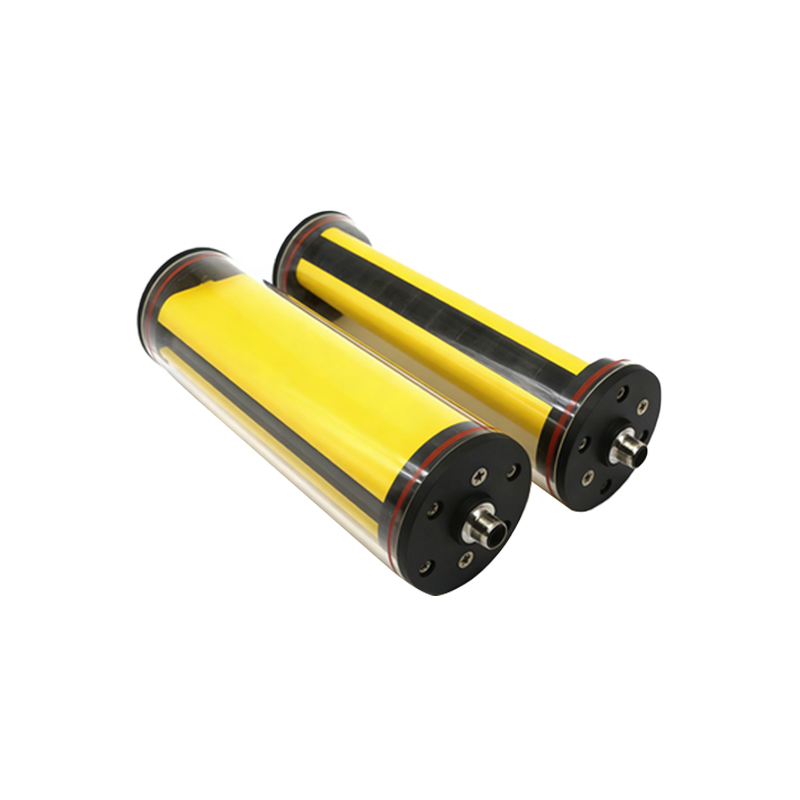
Key Factors Influencing Illumination Effectiveness
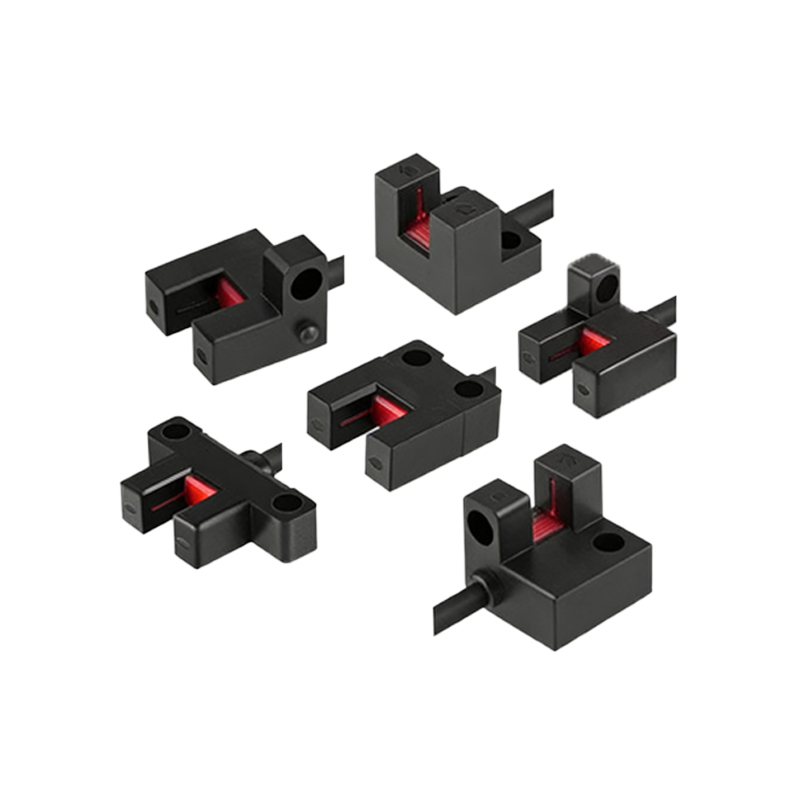
Several technical factors directly determine how well a photoelectric sensor's illumination performs in a real-world application. First is the wavelength of the emitted light. Common choices include visible red, infrared (IR), and laser. Infrared is often preferred for its ability to minimize interference from ambient visible light and its discretion. Laser light offers a highly collimated beam for precise long-range detection. Second is the light intensity or power output, which must be sufficient to provide a strong return signal from the target, especially for dark, matte, or distant objects. Third is the modulation technique. Many sensors use a modulated (pulsed) LED light source, which allows the receiver to filter out constant ambient light (like sunlight or room lighting), dramatically improving signal-to-noise ratio and stability. Finally, the optical design of the emitter lens dictates the beam shape—whether it's a precise spot, a focused line, or a diffuse flood—which must align with the target size and detection method.
Techniques for Enhancing Detection in Difficult Scenarios
Challenging environments demand specific illumination strategies to maintain sensor reliability. For detecting transparent objects like glass or plastic films, a polarized retro-reflective mode or a through-beam setup with precise beam alignment is crucial. Here, the illumination must be strong and focused to detect the minute attenuation or deflection caused by the transparent material. For highly reflective or shiny surfaces, diffuse reflection sensors with coaxial optics (where emitter and receiver are aligned) are used. The illumination in this setup is directed at an angle that prevents the direct, mirror-like reflection from blinding the receiver, instead relying on scattered light from the target's surface. In environments saturated with ambient light, such as outdoor applications or near welding stations, sensors with high-power, modulated IR illumination and narrow-band optical filters are essential to overpower or exclude the interfering light spectrum.
The Impact of Target Color and Surface Texture
The interaction between the sensor's illumination and the target's surface is a critical determinant of success. Different colors absorb and reflect wavelengths of light differently. A dark-colored target will absorb most of the incident light, resulting in a weak return signal. This necessitates a sensor with higher illumination power or a closer operating distance. Conversely, a white or reflective target may return too much signal, potentially saturating the receiver; in such cases, gain adjustment or a different sensing mode might be needed. Surface texture is equally important. A matte surface scatters light diffusely, providing a stable signal, while a glossy surface creates a specular (mirror-like) reflection that can be highly directional. For glossy objects, careful selection of the sensor's mounting angle relative to the target and the use of diffuse illumination techniques are required to capture a consistent signal rather than a sporadic glint.
Advanced Illumination: Structured Light and Multi-Pixel Technology
Modern photoelectric sensors incorporate advanced illumination schemes to solve complex tasks. Background suppression sensors, for instance, use triangulation principles with a precisely aimed illumination spot. The position where this spot appears on a receiver array determines distance, allowing the sensor to ignore objects beyond a set point regardless of their color or reflectivity. Furthermore, some area sensors and distance-measuring sensors employ structured light patterns, such as laser lines or grids. By projecting this patterned illumination onto a target and analyzing the deformation of the pattern with a camera or receiver array, the sensor can perform precise 2D or 3D profiling, measurement, and presence detection. These technologies represent the evolution of simple illumination into a sophisticated, information-rich projection system that defines the sensor's capabilities.
Best Practices for System Integration and Maintenance
Achieving and maintaining optimal illumination performance requires attention during system design and operation. During installation, ensure the emitter and receiver lenses are clean and properly aligned. Even a thin layer of dust or oil can significantly attenuate the light beam. For through-beam sensors, precise mechanical alignment is paramount. Consider the operating environment: protect the sensor lens from direct exposure to contaminants like cutting fluid or dust using protective shrouds or air blowers. Regularly scheduled cleaning of optical surfaces is a simple but highly effective maintenance task. Furthermore, when selecting a sensor, consult the datasheet for specifications on excess gain, which quantifies the reserve illumination power available to overcome lens contamination or target absorption. Choosing a sensor with a high excess gain provides a buffer for long-term reliable operation in dirty or demanding conditions.