Introduction to the LJ12A Proximity Sensor
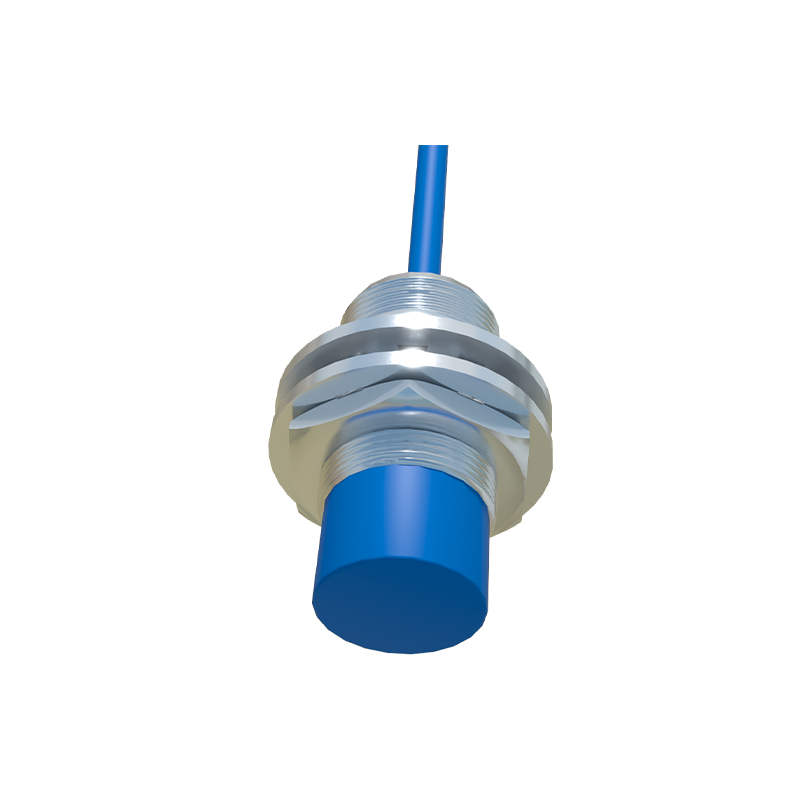
The LJ12A is a widely recognized model in the realm of inductive proximity sensors, a staple in industrial automation. These non-contact switching devices are engineered to detect the presence or absence of metallic objects without any physical contact. The "LJ" series typically denotes a cylindrical form factor, with "12" often indicating a 12mm diameter barrel, and "A" signifying specific electrical characteristics or output type. Known for their robustness and reliability, sensors like the LJ12A are fundamental components in machinery safety, positioning, counting, and automated assembly lines. Their operation is based on the principle of electromagnetic induction, generating an oscillating electromagnetic field from the sensor's face. When a metallic target enters this field, eddy currents are induced, causing a change in the oscillation amplitude. This change is detected by the sensor's internal circuitry, which subsequently triggers a solid-state output switch.
Key Technical Specifications and Operating Principles
Delving into the technical specifications is crucial for proper integration. The LJ12A typically operates on a DC voltage range, commonly 6-36V DC, making it compatible with standard industrial control voltages. Its output is often a three-wire configuration (brown for V+, blue for V-, and black for the signal output) with either a PNP (sourcing) or NPN (sinking) transistor output. The sensing distance, or nominal range, is a critical parameter. For a 12mm inductive sensor, this is usually around 4mm, but it is essential to consult the specific datasheet as it can vary. Factors like target material (steel, aluminum, brass), target size, and installation conditions affect the actual sensing performance. The sensor features a normally open (NO) or normally closed (NC) logic, and its switching frequency defines how quickly it can detect objects passing by, a vital spec for high-speed applications.
Installation and Wiring Best Practices

Correct installation is paramount for optimal performance and longevity. The LJ12A's cylindrical body is designed for easy mounting via a locknut. Ensure there is adequate clearance around the sensing face; metallic objects in close proximity can cause interference and false triggering. The sensor should be mounted securely to avoid vibration-induced damage or misalignment. For wiring, always adhere to the color code specified by the manufacturer. Standard practice involves connecting the brown wire to the positive DC supply, the blue wire to the negative/common, and the black output wire to the load (e.g., a PLC input, relay, or indicator). For NPN versions, the load is connected between the output and V+; for PNP, between the output and V-. Always implement proper electrical protection, such as fuses or surge protectors, especially in environments with inductive loads like solenoids or motors.
Common Applications in Industrial Automation
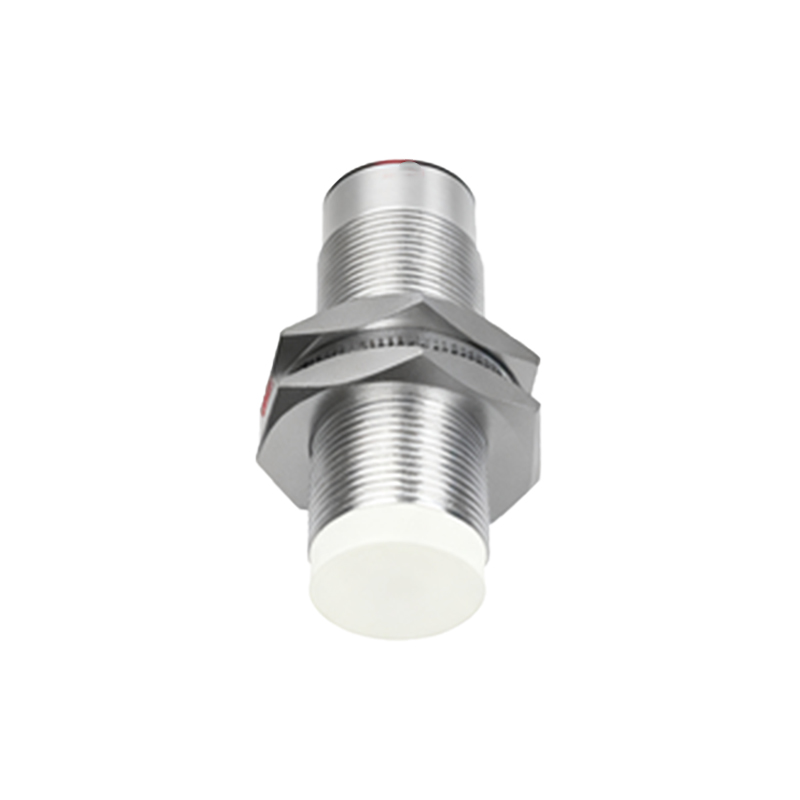
The versatility of the LJ12A proximity sensor lends itself to a multitude of applications. In conveyor systems, it is used for object detection, jam detection, and counting parts. On machine tools, it serves as a limit switch to determine the end-of-travel position of a spindle or tool changer. Within robotic cells, these sensors provide precise positioning feedback for grippers or arms. They are also integral to safety systems, acting as interlock switches on guards and doors to ensure machinery only operates when access panels are securely closed. In packaging machinery, LJ12A sensors detect the presence of metallic components on production lines, triggering subsequent actions like filling, capping, or labeling. Their sealed construction (often rated IP67) makes them suitable for environments with dust, chips, or light coolant spray.
Troubleshooting and Maintenance Guidelines
Despite their durability, proximity sensors can encounter issues. Common problems include failure to detect targets, constant activation, or intermittent operation. Begin troubleshooting by verifying the power supply voltage at the sensor terminals. Use a multimeter to check if the output switches when a metal target is presented. Ensure the target is within the specified sensing distance and is of adequate size and material. Inspect for physical damage to the sensor body or cable. Accumulation of metallic debris on the sensing face can also impair function; regular cleaning is recommended. Electrical noise from nearby motors or frequency drives can cause erratic behavior; consider using shielded cables and ensuring proper grounding. Preventive maintenance involves periodic checks of mounting integrity, cable condition, and operational testing as part of the overall machine maintenance schedule.
Advantages and Selection Considerations
The LJ12A and similar inductive proximity switches offer significant advantages over mechanical limit switches. Their non-contact operation eliminates mechanical wear, leading to a virtually infinite lifespan concerning switching cycles. They provide high switching speeds and repeatability,