Introduction to Photoelectric Sensor Technology
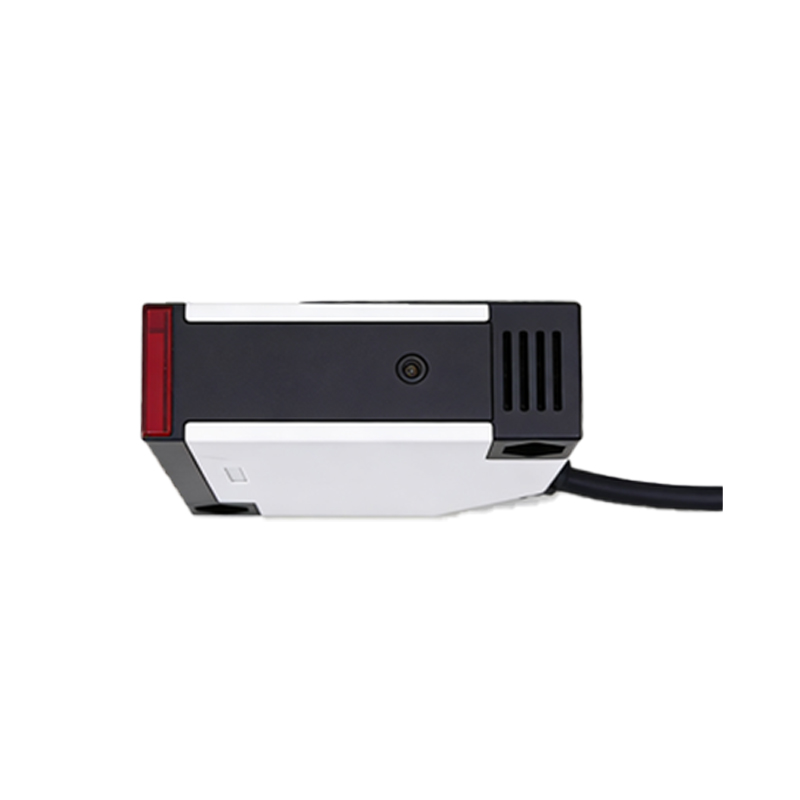
Photoelectric sensors are indispensable components in modern industrial automation, providing non-contact detection of objects, distances, and conditions. They operate by emitting a beam of light, typically from an LED or laser diode, and detecting changes in the received light intensity. The core principle involves the conversion of light signals into electrical signals, enabling precise control and monitoring. These sensors are celebrated for their long sensing ranges, high speed, and exceptional accuracy, making them superior to many mechanical and proximity alternatives. Their applications span across countless sectors, including packaging, material handling, automotive assembly, and food & beverage processing. As factories embrace Industry 4.0 and smart manufacturing, the demand for reliable, advanced photoelectric sensors continues to surge, placing immense importance on selecting the right manufacturer.
Criteria for Evaluating Sensor Brands
Ranking the top players in the photoelectric sensor market requires a multifaceted evaluation beyond simple sales figures. Key criteria include technological innovation, product range diversity, reliability and durability in harsh environments, ease of integration and programming, and the strength of global technical support and distribution networks. A brand's commitment to research and development directly influences its ability to offer sensors with advanced features like background suppression, precise color recognition, and robust connectivity options like IO-Link. Furthermore, the availability of specialized variants, such as miniature sensors for tight spaces or hygienic models for washdown areas, significantly impacts a brand's standing. Ultimately, the best brands deliver a combination of cutting-edge performance, unwavering quality, and comprehensive customer service.
Top Tier: The Industry Leaders
A select group of companies consistently dominates the global photoelectric sensor landscape. Keyence Corporation is often regarded as the pinnacle, renowned for its ultra-high-performance sensors, revolutionary designs, and exceptional technical support. Their products frequently set benchmarks for sensing distance, speed, and miniaturization. Omron, a Japanese automation giant, offers an exceptionally broad and deep portfolio known for outstanding reliability, innovative features like predictive maintenance diagnostics, and strong value across all price points. Sick AG, a German sensor specialist, is synonymous with robustness and precision, particularly in challenging logistic and industrial environments. Their sensors are engineered for maximum durability and often include sophisticated software tools for configuration and monitoring. These three brands represent the gold standard, catering to the most demanding applications.
Strong Contenders: Premium Performance Brands
Just below the top tier exists a group of highly respected manufacturers that deliver premium performance and innovation. Banner Engineering is a powerhouse, particularly in the Americas, celebrated for its user-friendly design, rugged construction, and innovative solutions like multi-voltage sensors and advanced luminescence detection. Pepperl+Fuchs, another German leader, excels in intrinsic safety and explosion-proof sensors for hazardous areas, while also providing a comprehensive range of standard industrial models with high ingress protection ratings. Rockwell Automation (Allen-Bradley) leverages its vast ecosystem of control products, offering photoelectric sensors that integrate seamlessly with its PLCs and software, a significant advantage for users within its architecture. These brands provide compelling alternatives with specialized strengths.
Value and Specialization: Niche and Broad-Line Brands
Several brands excel by offering exceptional value, broad availability, or deep specialization. Schneider Electric (Telemecanique Sensors) and Siemens provide extensive catalogs of photoelectric sensors that are integral parts of their larger automation suites, favored for plant-wide standardization. IFM Electronic is highly regarded for its innovative IO-Link integrated sensors and proactive diagnostic capabilities, promoting condition-based monitoring. For applications requiring extreme cost-effectiveness without sacrificing core reliability, brands like Autonics and Panasonic offer robust portfolios that cover most standard sensing needs. Furthermore, companies like Balluff and Baumer specialize in high-precision applications and offer unique form factors, catering to niche markets that require tailored solutions beyond off-the-shelf products.
Emerging Trends and Future Outlook
The future of photoelectric sensors is being shaped by several key trends. The integration of Industrial Internet of Things (IIoT) capabilities is paramount, with sensors becoming intelligent data points that communicate detailed diagnostic and process information. IO-Link has become a standard feature for smart sensors, enabling parameterization, remote monitoring, and simplified wiring. There is also a strong push towards miniaturization, allowing sensors to fit into increasingly compact machinery. Enhanced functionality, such as the ability to distinguish subtle color differences or detect transparent films, continues to evolve. Looking ahead, brands that successfully combine these smart features with ruggedness, ease of use, and cybersecurity will lead the next generation of industrial sensing.
Conclusion and Selection Guidance
Selecting the optimal photoelectric sensor brand is not a one-size-fits-all decision. For mission-critical applications where performance and support are non-negotiable, Keyence, Omron, and Sick are the foremost choices. For robust, user-friendly sensors in general industrial settings, Banner Engineering and Pepperl+Fuchs are excellent. For integration within a specific automation platform, Rockwell Automation, Siemens, or Schneider Electric offer distinct advantages. For smart sensor networks and IIoT readiness, IFM is a strong contender. Ultimately, engineers must balance technical specifications, environmental requirements, total cost of ownership, and existing infrastructure. Consulting with technical specialists and testing sensors in the actual application environment remains the best practice for ensuring optimal system performance and reliability.