What Are Proximity Sensors?
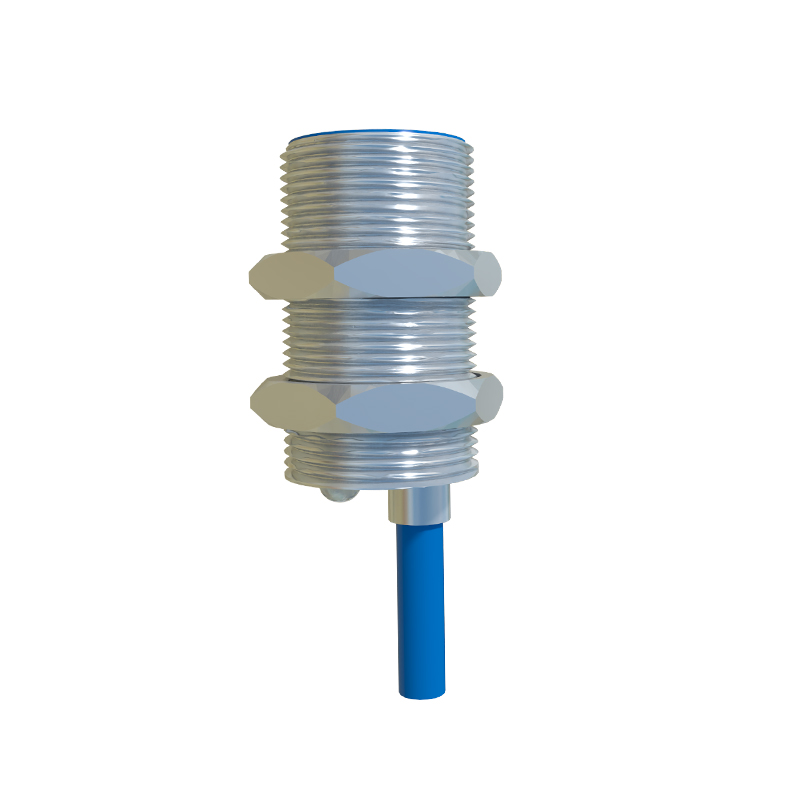
Proximity sensors are non-contact electronic devices designed to detect the presence or absence of an object within a specific sensing range without any physical contact. They operate by emitting an electromagnetic field or a beam of electromagnetic radiation, and then looking for changes in the field or return signal. The key advantage is their ability to function reliably in harsh environments where physical contact is impractical, such as areas with excessive dirt, oil, or moisture. Common types include inductive, capacitive, ultrasonic, and photoelectric sensors, each suited to different materials and applications. Their fundamental role is to provide a switching signal to a controller, making them indispensable eyes and triggers in automated systems.
Core Functions and Operating Principles
The primary function of a proximity sensor is precise, reliable detection. Inductive sensors detect metallic objects by generating an oscillating electromagnetic field. When a metal target enters this field, it induces eddy currents, causing the oscillation to dampen and triggering the sensor's output switch. Capacitive sensors can detect both metallic and non-metallic materials (like liquids, wood, or plastics) by measuring changes in capacitance caused by the target object altering the sensor's electrostatic field. Ultrasonic sensors emit high-frequency sound waves and measure the time for the echo to return, calculating distance. Photoelectric sensors use a light beam (visible, infrared, or laser) and detect interruptions or reflections. This variety in operating principles allows engineers to select the perfect sensor for specific material, range, and environmental conditions.
Key Applications in Manufacturing and Assembly
In manufacturing plants, proximity sensors are ubiquitous on production and assembly lines. They are used for precise object counting, verifying the presence of components, and ensuring correct positioning before a machining operation. For instance, an inductive sensor can confirm a metal gear is in place before a robotic arm installs it. They also control the limits of motion on automated machinery, preventing over-travel of linear actuators or robotic arms, thus protecting equipment from damage. In packaging lines, sensors detect bottles or boxes to trigger filling, capping, or labeling operations. Their speed and reliability are critical for maintaining high throughput and consistent product quality.
Role in Material Handling and Logistics
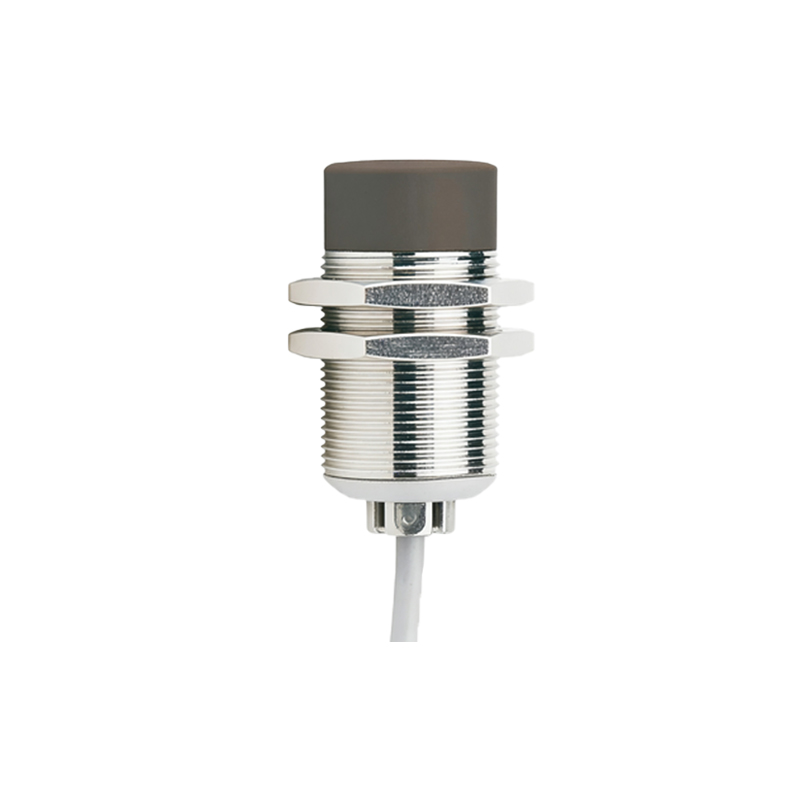
Automated warehouses and material handling systems heavily rely on proximity sensors for navigation, sorting, and inventory management. AGVs (Automated Guided Vehicles) use arrays of sensors to follow paths, avoid obstacles, and dock accurately. On conveyor systems, sensors detect parcel sizes and divert them to the correct sorting lane. Capacitive sensors can detect the level of bulk materials in silos or hoppers, preventing overfills or shortages. In automated storage and retrieval systems (AS/RS), sensors provide precise positioning feedback for the cranes, ensuring they accurately place and retrieve pallets from high-density racks, optimizing space and efficiency.
Safety and Machine Guarding Applications
Beyond process control, proximity sensors are vital for operator safety. They form the core of safety light curtains and area scanners that create invisible protective fields around dangerous machinery. If a person or object breaches this field, the sensor sends an immediate stop signal to the machine. Non-contact safety switches (like magnetic or RFID-coded sensors) are used on guard doors; the machine cannot operate unless the door is securely closed and the sensor confirms it. This non-contact nature ensures these safety features are tamper-resistant and highly reliable, crucial for compliance with international safety standards like ISO 13849.
Integration with Industry 4.0 and IoT
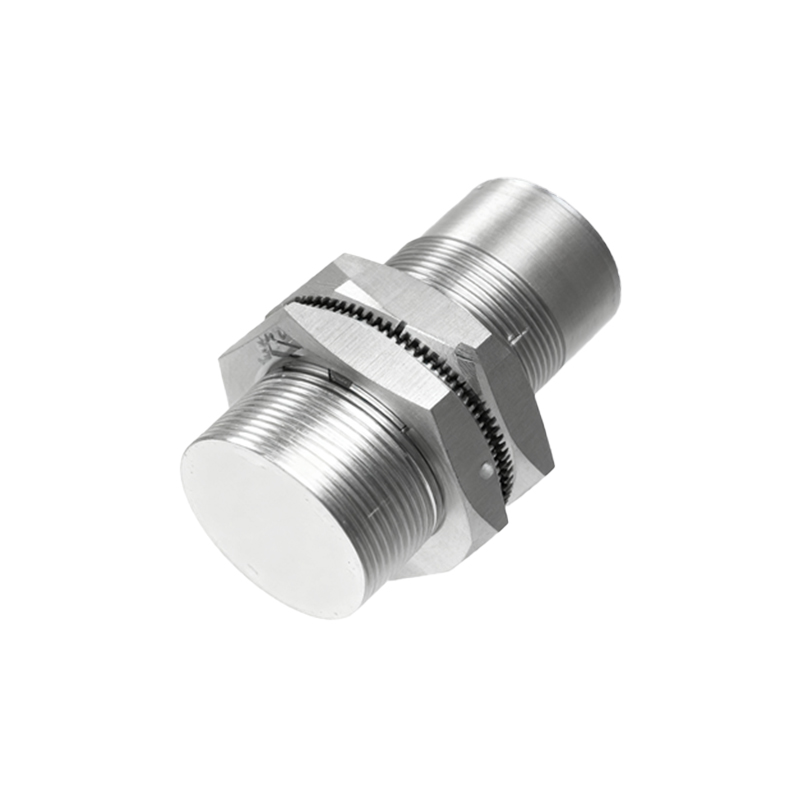
Modern proximity sensors are intelligent components in the Industrial Internet of Things (IIoT) ecosystem. Sensors with IO-Link communication can transmit detailed diagnostic data—such as operating temperature, signal strength, or switch cycle count—to higher-level controllers. This enables predictive maintenance, where potential failures are identified before they cause downtime. Data on detection counts and machine cycles collected from sensors feeds into production monitoring systems, providing real-time insights into Overall Equipment Effectiveness (OEE). This connectivity transforms simple detection devices into valuable sources of data for optimizing entire production processes.
Selection Criteria and Best Practices
Choosing the right proximity sensor requires careful analysis. Key factors include the target material (metal, plastic, liquid), required sensing distance, environmental conditions (temperature, presence of washdown chemicals), output type (PNP/NPN, analog, IO-Link), and electrical requirements. For example, an inductive sensor is ideal for detecting a steel piston, while a capacitive sensor is needed for monitoring plastic granulate levels. Proper installation is equally important; sensors must be mounted securely, with adequate clearance from metal surroundings to prevent false triggering. Regular testing and maintenance, as part of a preventative schedule, ensure long-term reliability and system uptime.