Introduction to Photoelectric Sensing Technology
Photoelectric sensors are fundamental components in modern industrial automation, utilizing light beams to detect the presence, absence, or distance of objects. These sensors operate by emitting a light source—typically LED-based in visible red, infrared, or laser varieties—and measuring the reflected or interrupted light signal. Their applications span across manufacturing lines, packaging systems, material handling, and safety mechanisms, prized for non-contact operation, high precision, and rapid response times. As industries increasingly adopt smart automation, the demand for reliable and advanced photoelectric sensors has surged, making the evaluation of brands like Lenovo in this domain particularly relevant for engineers and system integrators.
Lenovo's Entry into Industrial Sensing Solutions
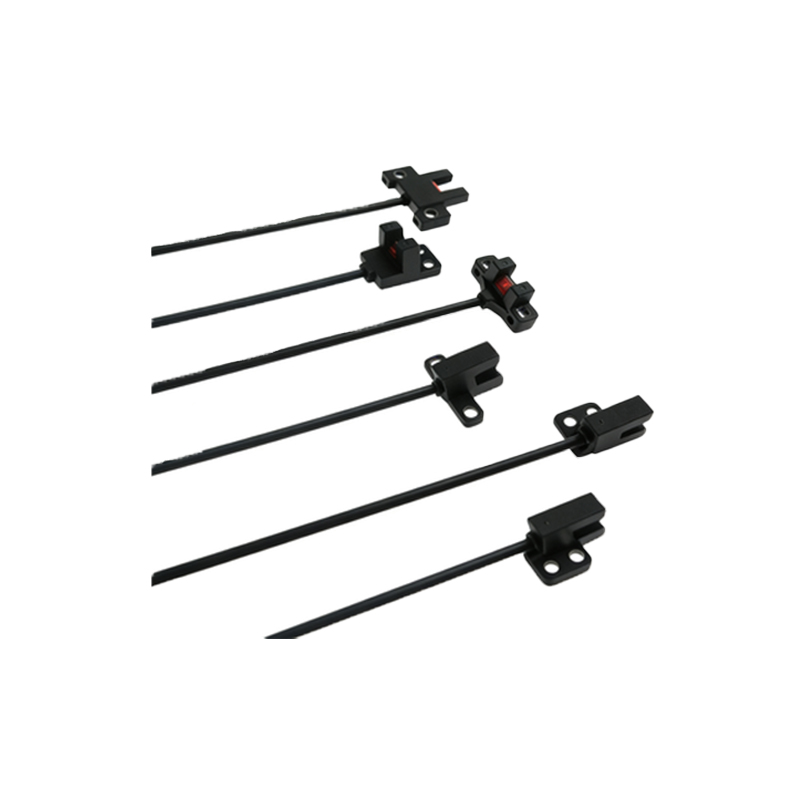
While Lenovo is globally renowned for its computing devices and IT solutions, its foray into industrial components, including photoelectric sensors, represents a strategic expansion into the Industrial Internet of Things (IIoT) and automation sectors. Leveraging its expertise in electronics and connectivity, Lenovo has developed sensor products aimed at integrating seamlessly with smart factory ecosystems. These sensors are designed to meet rigorous industrial standards, offering features such as robust housing, wide operating temperature ranges, and compatibility with common industrial communication protocols. This move positions Lenovo not just as a consumer electronics giant but as a contender in providing core automation hardware.
Key Technical Specifications and Performance
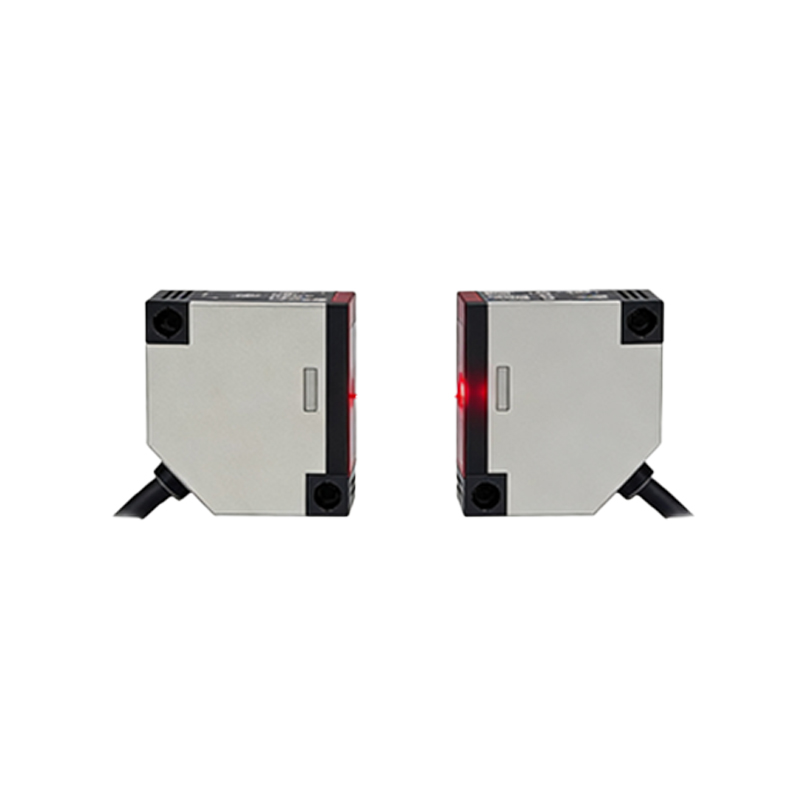
Lenovo photoelectric sensors typically come in various types: diffuse reflective, retro-reflective, and through-beam models, each suited for specific detection scenarios. Common specifications include sensing distances ranging from a few centimeters to several meters, with laser variants offering precise long-range detection. Response times are often in the microsecond range, ensuring minimal latency in high-speed applications. Many models feature adjustable sensitivity via potentiometers or digital interfaces, allowing fine-tuning to environmental conditions. Built-in diagnostics, such as stability indicators or IO-Link capability, enhance maintenance and integration. Performance-wise, these sensors demonstrate good immunity to ambient light interference and consistent accuracy in controlled industrial environments, though real-world performance can vary based on installation and object properties.
Integration and Compatibility in Automation Systems
A significant advantage of Lenovo's sensors lies in their integration potential. Designed with Industry 4.0 in mind, they often support protocols like PROFINET, EtherNet/IP, or Modbus TCP, enabling direct connectivity to PLCs and control systems without extensive intermediary hardware. The sensors' compact and modular designs facilitate easy mounting in confined spaces. Additionally, Lenovo provides software tools for configuration and monitoring, aligning with its ecosystem of industrial computers and edge devices. This compatibility reduces deployment complexity and total cost of ownership, making them a viable option for upgrading existing automation lines or implementing new smart factory projects.
Reliability and Durability in Harsh Conditions
Industrial environments pose challenges like dust, moisture, vibration, and temperature extremes. Lenovo photoelectric sensors are generally constructed with IP67 or higher ingress protection ratings, ensuring resistance to water and dust ingress. Housing materials, such as stainless steel or reinforced plastics, provide mechanical strength and corrosion resistance. Testing under standards like IEC 60947-5-2 validates their operational reliability. Field reports indicate satisfactory longevity in continuous operation, with mean time between failures (MTBF) figures competitive with established sensor brands. However, as with any industrial component, proper installation and periodic maintenance are crucial to sustaining performance over time.
Cost-Effectiveness and Market Positioning
Compared to legacy brands like Omron, Sick, or Banner Engineering, Lenovo sensors are often priced more competitively, targeting cost-conscious projects without sacrificing essential features. This pricing strategy, combined with Lenovo's global supply chain and support network, makes them attractive for small to medium enterprises or large-scale deployments where budget constraints exist. The value proposition extends beyond hardware cost to include easier integration with Lenovo's IT infrastructure, potentially lowering overall system integration expenses. However, the trade-off may involve a narrower product range or less specialized variants compared to decades-old sensor manufacturers.
Potential Limitations and Considerations
Despite their strengths, Lenovo photoelectric sensors are relatively newer in a market dominated by specialized players. This can translate to a smaller track record in extreme niche applications, such as high-precision semiconductor manufacturing or hazardous explosive atmospheres, where proven solutions from established brands might be preferred. Availability of specific models or local technical support could vary by region. Engineers should thoroughly evaluate datasheets, application notes, and possibly conduct pilot testing to ensure suitability for their specific use cases, particularly where detection stability is critical.
Conclusion and Industry Outlook
Lenovo photoelectric sensors represent a competent and evolving option in the industrial automation landscape. They offer a blend of modern connectivity, robust construction, and competitive pricing, suitable for many mainstream automation tasks. While they may not yet replace top-tier specialized sensors in all scenarios, their integration advantages and Lenovo's ecosystem support make them a noteworthy choice for IIoT-driven projects. As Lenovo continues to invest in industrial automation, future iterations will likely address current limitations, further solidifying their position. For engineers, the decision ultimately hinges on specific application requirements, total cost considerations, and strategic alignment with digital transformation goals.