Introduction to Phase Proximity Sensing
Phase proximity sensors are critical components in modern industrial automation and electrical systems. These devices are designed to detect the presence or absence of a metallic target without any physical contact, based on changes in an electromagnetic field. Unlike simple inductive sensors, phase-sensitive models offer enhanced precision by analyzing the phase shift in the oscillator signal caused by the target's approach. This capability makes them indispensable in applications requiring high accuracy, reliability, and resistance to environmental interference such as temperature fluctuations or the presence of non-target materials. Their primary role is to provide a switching signal to a control system, enabling precise positioning, counting, speed monitoring, and safety interlocking in machinery ranging from conveyor systems to robotic arms.
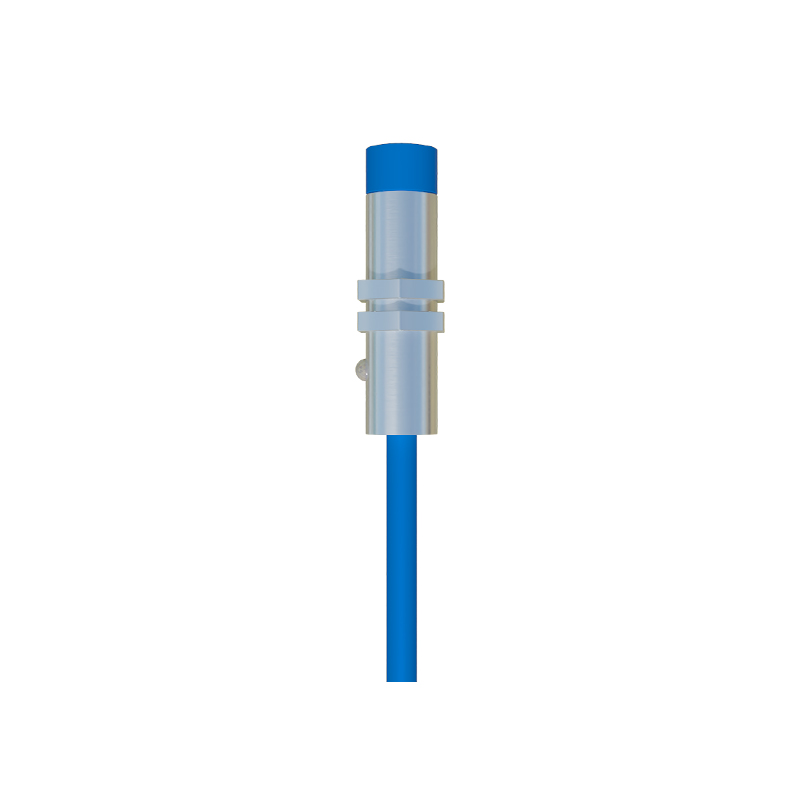
Core Operating Principle: The Phase Shift Method
The fundamental working principle of a phase proximity sensor revolves around a high-frequency oscillator circuit that generates an alternating electromagnetic field at its active face, typically from a coil. When a conductive metal target enters this field, eddy currents are induced on the target's surface. These eddy currents draw energy from the oscillator, which in turn causes two key changes: a reduction in the oscillation amplitude and, more importantly for phase sensors, a shift in the phase angle of the oscillator signal. The sensor's internal circuitry is specifically tuned to monitor this phase shift. A dedicated evaluation circuit compares the phase of the current signal to a reference phase. When the phase shift exceeds a predetermined threshold—indicating the target is within the specified sensing range—the sensor's output state changes, sending a signal to the connected controller.
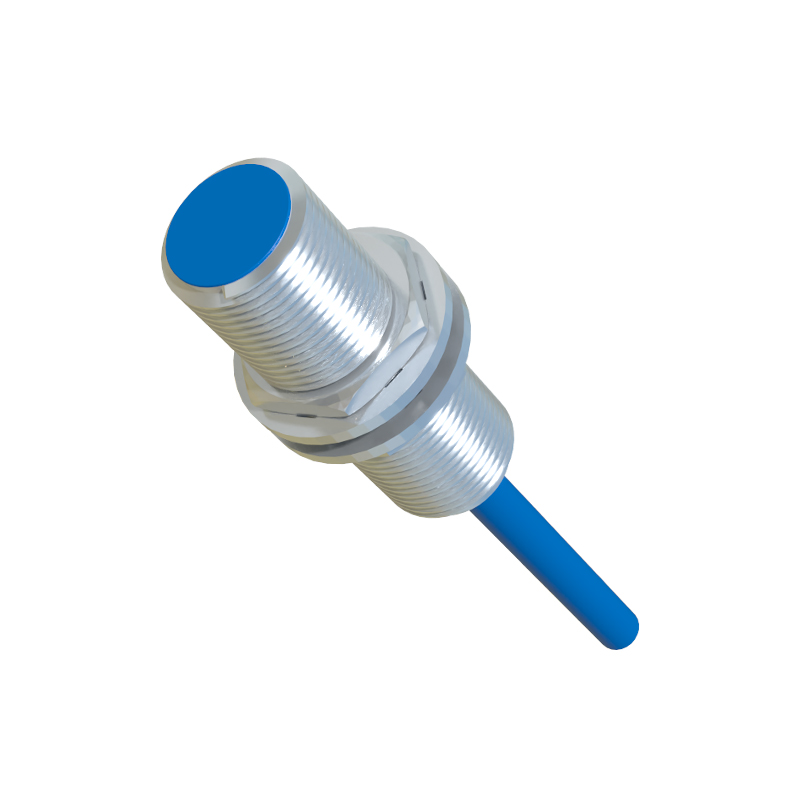
Internal Circuitry and Signal Processing
Internally, a phase proximity sensor comprises several key stages. The oscillator, often a Colpitts or Hartley type, creates the high-frequency field. The signal from this oscillator is then fed into a phase-sensitive detector or a synchronous demodulator. This circuit is the heart of the phase discrimination process. It extracts the phase information relative to the internal reference oscillator. Following this, a comparator stage evaluates the processed signal against a set sensitivity level. The output stage, which can be a transistor (PNP/NPN) for DC sensors or a triac for AC models, then switches to provide a clean, digital on/off signal. Advanced models incorporate microprocessors for linear analog output, temperature compensation, and programmability of parameters like switching hysteresis and response time.
Key Advantages Over Standard Inductive Sensors
The phase-sensitive detection method confers several distinct advantages. First, it offers superior immunity to false triggering caused by environmental factors. Since the evaluation is based on phase rather than just amplitude, the sensor is less affected by coating build-up, mild temperature drifts, or variations in supply voltage. Second, it allows for a more precise and consistent sensing distance for a given target material. Third, some specialized phase sensors can differentiate between different types of metals (e.g., steel versus aluminum) by recognizing characteristic phase response signatures, enabling material discrimination in sorting applications. This selectivity is a significant upgrade from standard inductive sensors, which primarily react to the mass and conductivity of any metal.
Typical Industrial Applications and Use Cases
These sensors are deployed across a vast array of industries. In automotive manufacturing, they precisely detect piston position in engines or the presence of gear teeth for rotational speed sensing. In packaging machinery, they count metallic items on production lines or verify the correct positioning of lids and caps. Phase proximity sensors are crucial in metalworking for tool breakage detection on CNC machines and in monitoring the position of robotic end-effectors. Their robustness also makes them ideal for harsh environments like sawmills or foundries, where they perform limit switching and position feedback duties. Safety systems utilize them as non-contact interlock switches on guards and doors.
Selection Criteria and Installation Considerations
Selecting the appropriate phase proximity sensor requires careful analysis of several parameters. The sensing distance, rated for a standard steel target, must be chosen with a safety margin to account for mechanical tolerances. The target material (ferrous or non-ferrous) and size significantly influence performance; smaller targets may require a reduced sensing range. The housing material (e.g., stainless steel, PBT plastic) must be compatible with the environmental conditions, including exposure to coolants, oils, or washdowns. Electrical characteristics are paramount: the operating voltage (DC or AC), output type (NO/NC, analog), and current rating must match the control system. Proper installation is critical; sensors should be mounted securely to minimize vibration effects, and adequate clearance from surrounding metal (the flush or non-flush mounting specification) must be maintained to prevent interference with the electromagnetic field.
Conclusion: Enabling Precision and Reliability
In summary, phase proximity