Introduction to Distance Adjustment Photoelectric Sensors
Distance adjustment photoelectric sensors are critical components in modern industrial automation, designed to detect the presence, absence, or position of objects without physical contact. These sensors operate by emitting a light beam—typically infrared, visible red, or laser—and measuring the reflection or interruption to determine distance. The ability to adjust the sensing distance allows for versatile application across diverse environments, from packaging lines to robotic assembly systems. Unlike fixed-range sensors, adjustable models provide flexibility, enabling precise calibration to suit specific operational requirements, thereby reducing setup time and enhancing system adaptability.
Working Principles and Technology Overview
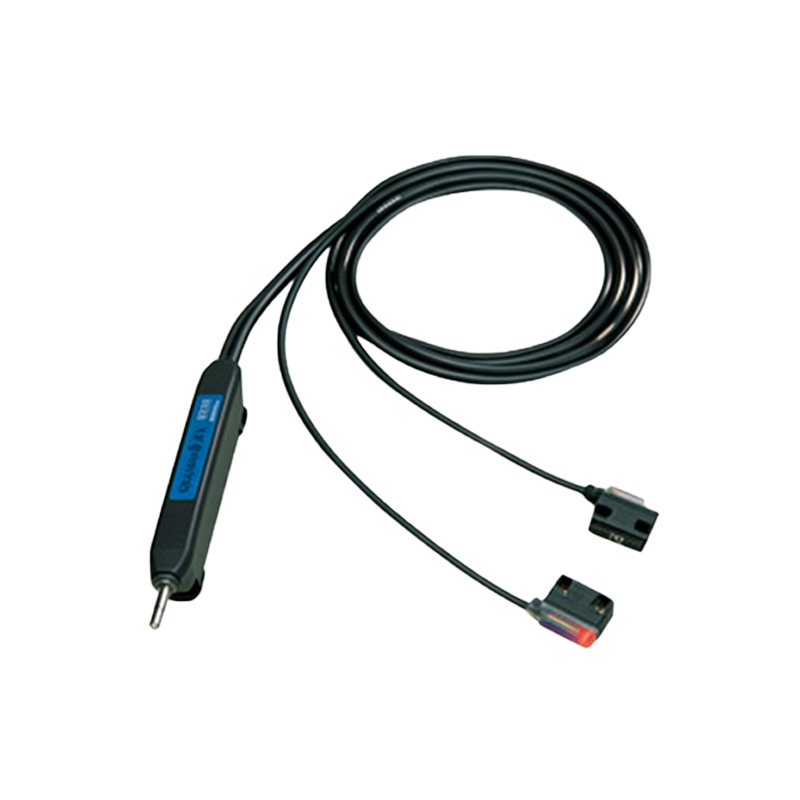
The core functionality of distance adjustment photoelectric sensors relies on optical triangulation or time-of-flight (ToF) methods. In triangulation-based sensors, a light emitter projects a beam onto a target, and a receiver lens captures the reflected light at an angle. The position of the reflected spot on a detector array shifts with distance, allowing accurate measurement. ToF sensors, on the other hand, calculate distance by measuring the time delay between emitted and reflected light pulses. Advanced models incorporate microprocessors for signal processing, enabling real-time adjustments and compensation for environmental factors like ambient light or target color, ensuring reliable performance in challenging conditions.
Key Features and Adjustability Mechanisms
Modern distance adjustment photoelectric sensors offer a range of features to optimize industrial use. Adjustability is typically achieved via potentiometers, digital interfaces, or teach-in functions. Potentiometers allow manual tuning of sensing ranges, while digital interfaces (e.g., IO-Link or Ethernet) enable remote configuration and monitoring. Teach-in functions simplify setup by storing reference distances with a button press. Additional features include adjustable response times, sensitivity settings, and built-in diagnostics. Housing designs often comply with IP67 or higher ratings for dust and water resistance, making them suitable for harsh environments such as manufacturing floors or outdoor installations.
Applications in Industrial Automation
These sensors are indispensable in various industrial sectors. In material handling, they regulate conveyor belt speeds by detecting object positions, preventing jams and optimizing throughput. In automotive assembly, they ensure precise part placement by measuring gaps or alignments. Packaging machinery utilizes them to control fill levels or verify label positions. Robotics applications rely on adjustable sensors for obstacle detection and navigation, enhancing safety and efficiency. The flexibility in distance settings allows seamless integration into existing systems, supporting Industry 4.0 initiatives like smart factories and IoT connectivity.
Installation and Calibration Best Practices
Proper installation and calibration are vital for maximizing sensor performance. Mounting should consider factors like vibration, temperature fluctuations, and potential obstructions. Alignment between emitter and receiver must be precise to avoid false triggers. Calibration involves setting the sensing distance using manufacturer guidelines, often through a combination of manual adjustments and software tools. Regular maintenance, including lens cleaning and output verification, ensures long-term accuracy. Troubleshooting common issues—such as intermittent signals or range drift—typically involves checking power supply stability, environmental interferences, and target surface reflectivity.
Advantages Over Fixed-Range Sensors
Distance adjustment photoelectric sensors offer significant advantages compared to fixed-range counterparts. Their adaptability reduces inventory costs, as a single model can replace multiple fixed sensors for different tasks. They simplify system design by accommodating varying object sizes or process changes without hardware swaps. Enhanced precision leads to fewer errors and higher product quality. Moreover, digital adjustment capabilities support predictive maintenance by logging performance data, minimizing downtime. These benefits contribute to overall operational efficiency, making them a cost-effective solution for dynamic industrial settings.
Future Trends and Innovations
The evolution of distance adjustment photoelectric sensors is driven by advancements in miniaturization, connectivity, and intelligence. Emerging trends include integration with AI algorithms for adaptive learning, allowing sensors to self-optimize based on real-time conditions. Wireless configurations and energy-efficient designs are gaining traction for flexible deployments. Additionally, enhanced materials and optics are improving accuracy in extreme temperatures or corrosive atmospheres. As industries embrace automation and data-driven decision-making, these sensors will play a pivotal role in enabling smarter, more responsive manufacturing ecosystems.