Introduction to Photoelectric Sensors
Photoelectric sensors are essential components in modern industrial automation, utilizing light beams to detect the presence, absence, or distance of objects. These devices play a critical role in various applications, including packaging, material handling, assembly lines, and safety systems. By emitting light from an LED or laser source and measuring the reflected or interrupted signal, photoelectric sensors offer non-contact detection with high precision and reliability. Their ability to function in harsh environments, resist dust, moisture, and vibrations, makes them indispensable in manufacturing and process industries. As automation technology advances, the demand for robust and efficient photoelectric sensors continues to grow, driving innovation among leading brands in the field.
Key Features of High-Quality Photoelectric Sensors
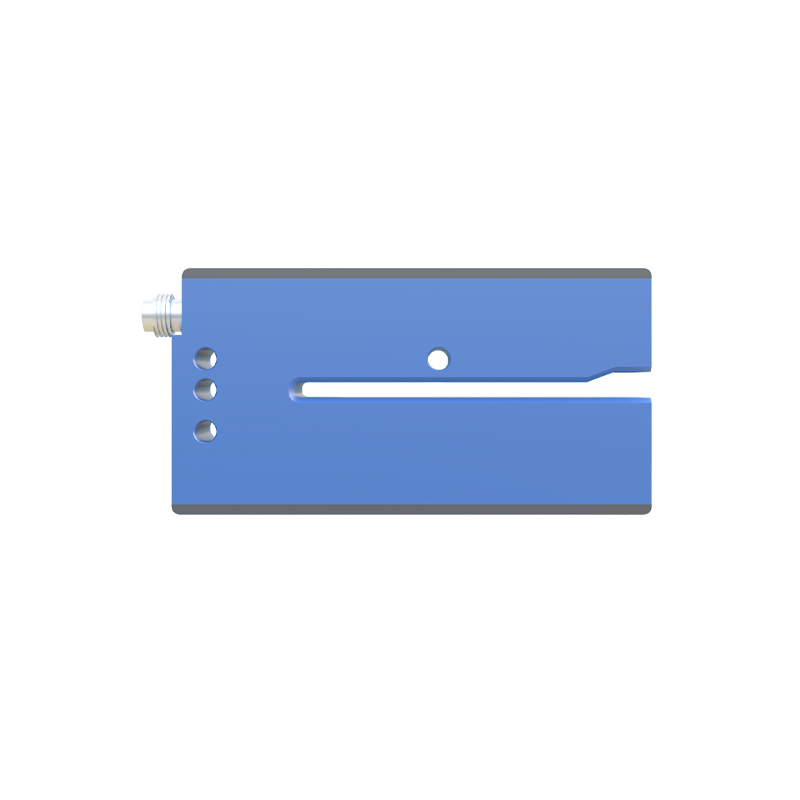
When selecting photoelectric sensors, several features determine their performance and suitability for specific tasks. Sensing range is a primary consideration, with options ranging from a few millimeters to over 100 meters, depending on the model and application. Response time is another critical factor, as faster sensors enhance productivity in high-speed operations. Additionally, environmental durability, such as IP ratings for water and dust resistance, ensures longevity in challenging conditions. Advanced models may include programmable settings, background suppression, and connectivity options like IO-Link for seamless integration into Industry 4.0 systems. Energy efficiency and ease of installation also contribute to lower operational costs and reduced downtime.
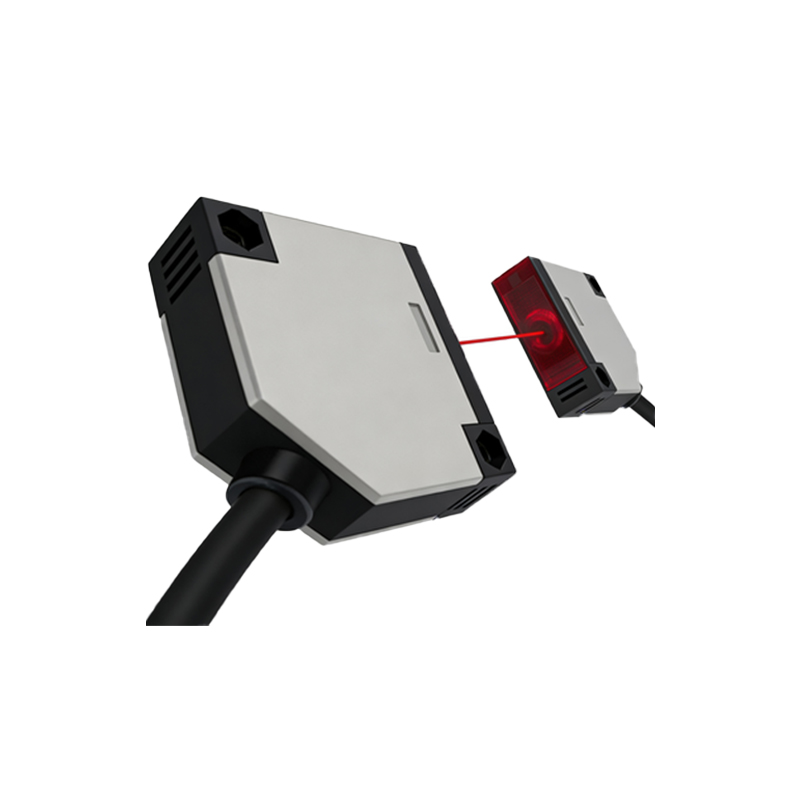
Leading Brands in the Photoelectric Sensor Market
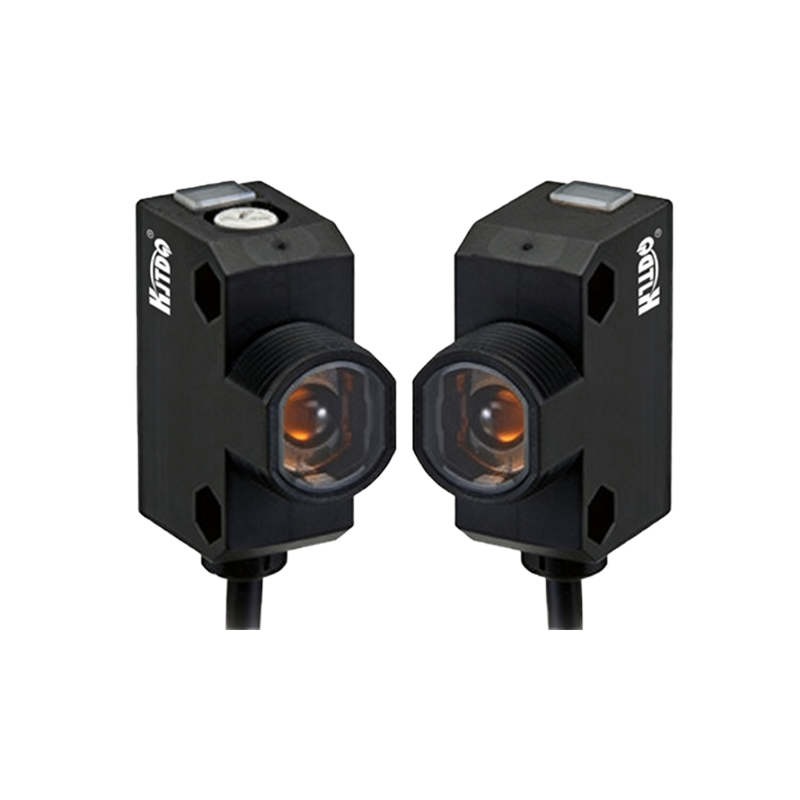
Several brands have established themselves as leaders in the photoelectric sensor industry, known for innovation, quality, and global support. Omron, a Japanese multinational, offers a wide range of sensors with features like built-in amplifiers and flexible sensing modes, catering to diverse industrial needs. Sick AG, based in Germany, is renowned for its high-precision sensors, including background suppression and color detection models, ideal for complex automation tasks. Banner Engineering, an American company, provides rugged sensors with advanced optics and connectivity, popular in packaging and automotive sectors. Keyence, another Japanese brand, excels in miniaturized and high-speed sensors, often used in electronics and semiconductor manufacturing. These brands consistently invest in research to deliver cutting-edge solutions.
Applications Across Industries
Photoelectric sensors find applications across numerous industries, enhancing efficiency and safety. In automotive manufacturing, they detect parts on assembly lines, ensuring precise positioning and quality control. The food and beverage industry relies on them for packaging verification and fill-level monitoring, maintaining hygiene standards with washdown-rated models. In logistics and warehousing, sensors facilitate object detection on conveyor belts and automated guided vehicles (AGVs), optimizing material flow. Electronics production uses miniature sensors for component placement and inspection, while pharmaceutical applications involve sterile environment compliance. Each sector benefits from tailored sensor designs that address specific challenges like temperature extremes or reflective surfaces.
Future Trends and Innovations
The future of photoelectric sensors is shaped by trends like smart manufacturing and the Internet of Things (IoT). Integration with IoT platforms enables real-time data collection and predictive maintenance, reducing unplanned outages. Advances in laser technology and artificial intelligence (AI) are leading to sensors with enhanced discrimination capabilities, such as detecting subtle color variations or complex shapes. Energy-efficient designs, including solar-powered options, support sustainability goals in green industries. Additionally, modular and customizable sensors allow for easier upgrades and adaptation to evolving automation needs. As industries embrace digital transformation, photoelectric sensor brands are focusing on interoperability and user-friendly software tools for configuration and diagnostics.
Selection Guidelines for Engineers
Choosing the right photoelectric sensor requires a systematic approach based on application requirements. Engineers should first define the sensing object's properties, such as size, material, and color, to determine the appropriate sensing mode—diffuse, retro-reflective, or through-beam. Environmental factors like ambient light, temperature, and exposure to chemicals must be assessed to select sensors with suitable enclosures and ratings. Budget constraints and lifecycle costs, including maintenance and replacement, should also be considered. Consulting technical datasheets and leveraging support from reputable brands can aid in matching sensor specifications to operational demands. Testing prototypes in real-world conditions is recommended to validate performance before full-scale deployment.
Conclusion and Industry Outlook
Photoelectric sensors remain vital to industrial automation, with top brands driving progress through continuous innovation. As global industries seek higher efficiency and connectivity, the demand for reliable, intelligent sensors will expand. Engineers and decision-makers should stay informed about emerging technologies and brand offerings to leverage the best solutions for their operations. By prioritizing quality and compatibility, businesses can enhance productivity, safety, and competitiveness in an increasingly automated world. The collaboration between sensor manufacturers and end-users will further refine products, ensuring they meet the evolving challenges of modern industrial environments.