Introduction to Proximity Sensors
Proximity sensors are electronic devices designed to detect the presence or absence of objects within a certain range without physical contact. Widely used in industrial automation, automotive systems, and consumer electronics, these sensors operate based on various principles such as electromagnetic fields, infrared light, or ultrasonic waves. Their ability to sense objects reliably in harsh environments makes them indispensable in modern manufacturing and technology applications. This article delves into the key advantages and disadvantages of proximity sensors, providing a balanced perspective for engineers and industry professionals.
Key Advantages of Proximity Sensors
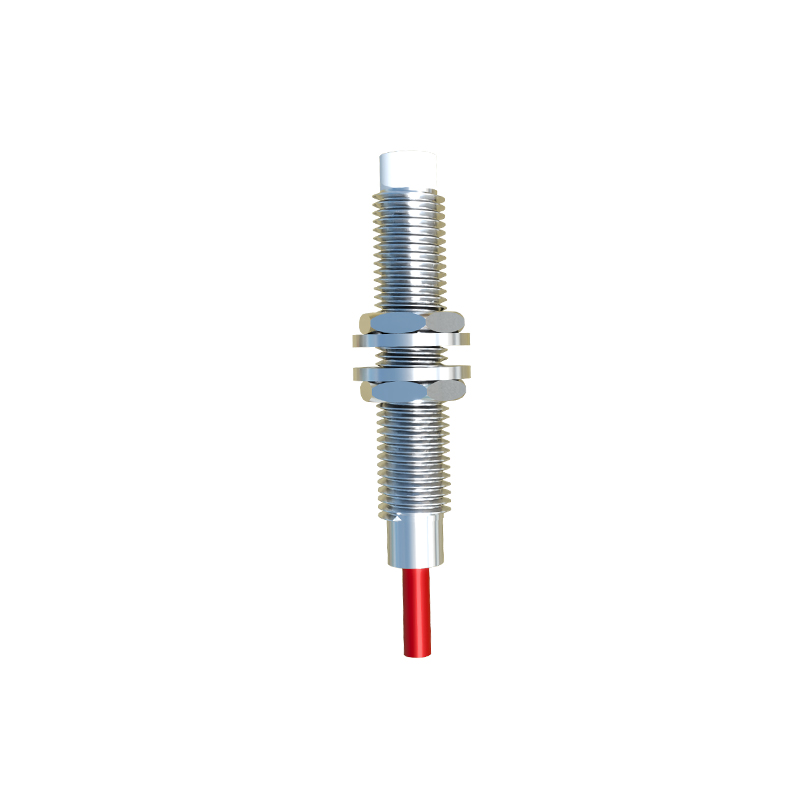
One of the primary benefits of proximity sensors is their non-contact operation. Unlike mechanical switches, they do not require physical touch to detect objects, which minimizes wear and tear and extends their lifespan. This feature is particularly valuable in high-speed production lines where durability is critical. Additionally, proximity sensors offer high accuracy and repeatability, ensuring consistent performance in precision tasks such as positioning and counting. They are also known for their fast response times, enabling real-time detection and control in dynamic systems. Another advantage is their robustness; many models are designed to withstand extreme conditions, including dust, moisture, and temperature fluctuations, making them suitable for outdoor or industrial settings. Furthermore, proximity sensors are versatile and can detect a wide range of materials, from metals to plastics, depending on the sensor type.
Common Disadvantages of Proximity Sensors
Despite their strengths, proximity sensors have several limitations. A notable drawback is their limited sensing range. Most proximity sensors operate effectively only within short distances, typically a few millimeters to centimeters, which may not suffice for applications requiring long-range detection. They can also be sensitive to environmental interference; for instance, electromagnetic sensors might be affected by nearby metal objects or electrical noise, leading to false readings. Another issue is material dependency. Inductive sensors, for example, only detect metallic objects, while capacitive sensors may respond to non-metallic materials but can be influenced by humidity or other environmental factors. Cost is another consideration, as high-precision or specialized proximity sensors can be expensive, potentially increasing overall system expenses. Additionally, some sensors require careful calibration and installation to function optimally, adding complexity to setup and maintenance.
Applications and Industry Use Cases
Proximity sensors find extensive use across various industries due to their unique capabilities. In manufacturing, they are employed for object detection on conveyor belts, machine safety systems, and robotic arm positioning. The automotive sector utilizes them for parking assistance, seat occupancy detection, and engine control. In consumer electronics, proximity sensors enable features like screen dimming in smartphones when held close to the face. Their reliability in harsh environments also makes them ideal for agricultural machinery, where they monitor equipment movement, and in aerospace for landing gear systems. By understanding the advantages and disadvantages, engineers can select the appropriate sensor type—such as inductive, capacitive, or photoelectric—to match specific application needs, optimizing performance and cost-efficiency.
Conclusion and Recommendations
In summary, proximity sensors offer significant benefits, including non-contact operation, high accuracy, and durability, but they also present challenges like limited range and environmental sensitivity. When choosing a proximity sensor, it is essential to evaluate factors such as the target material, operating environment, and required sensing distance. For instance, inductive sensors are best for metal detection in industrial settings, while capacitive sensors suit non-metallic applications. Regular maintenance and proper installation can mitigate some disadvantages, ensuring long-term reliability. As technology advances, newer models with enhanced features, such as extended range or reduced interference, are emerging, providing more options for diverse applications. By weighing the pros and cons, professionals can leverage proximity sensors effectively to improve automation and efficiency in their projects.