In the vast landscape of industrial automation and process control, ensuring reliable detection of material presence is paramount. Among the array of sensing technologies, powder proximity switch sensors stand out as specialized devices engineered for a unique challenge: accurately detecting the presence or absence of dry, granular, or powdered materials. Unlike standard sensors that may fail in dusty environments, these robust switches are designed to perform consistently where others cannot.
The core operating principle of a powder proximity switch often hinges on capacitance or vibration-based sensing. Capacitive sensors function by generating an electrostatic field. When a powder material enters this detection field, it causes a measurable change in capacitance, triggering the switch's output signal. This makes them exceptionally suitable for non-metallic powders like flour, plastic pellets, cement, or grains. Their sensitivity can typically be adjusted to account for different material densities and to ignore buildup on the sensor face, a common issue in powder handling.
Vibration or tuning fork-type sensors offer another reliable method. These switches feature small tines that vibrate at a specific ultrasonic frequency. When powder covers the tines, the vibration amplitude changes or ceases, which is detected by an internal piezo-electric system, subsequently altering the output state. These are highly effective for both high and low-level detection in silos, hoppers, and bins, as they are largely unaffected by material flow, pressure, or dust in the air.
The applications for these sensors are critical across numerous industries. In the food and beverage sector, they monitor levels of ingredients like sugar, cocoa, or powdered milk in mixing vessels and storage containers to prevent overfills or run-outs, ensuring recipe consistency and production continuity. The pharmaceutical industry relies on them for precise level control of active ingredients and excipients in batch processes, where accuracy is non-negotiable. In plastics manufacturing, they control the feed of plastic pellets into injection molding machines. The construction industry uses them in cement plants and concrete batching facilities to manage silo levels of cement, fly ash, and other dry components. Furthermore, they are indispensable in pneumatic conveying systems, providing crucial block detection to avoid line clogging and system damage.
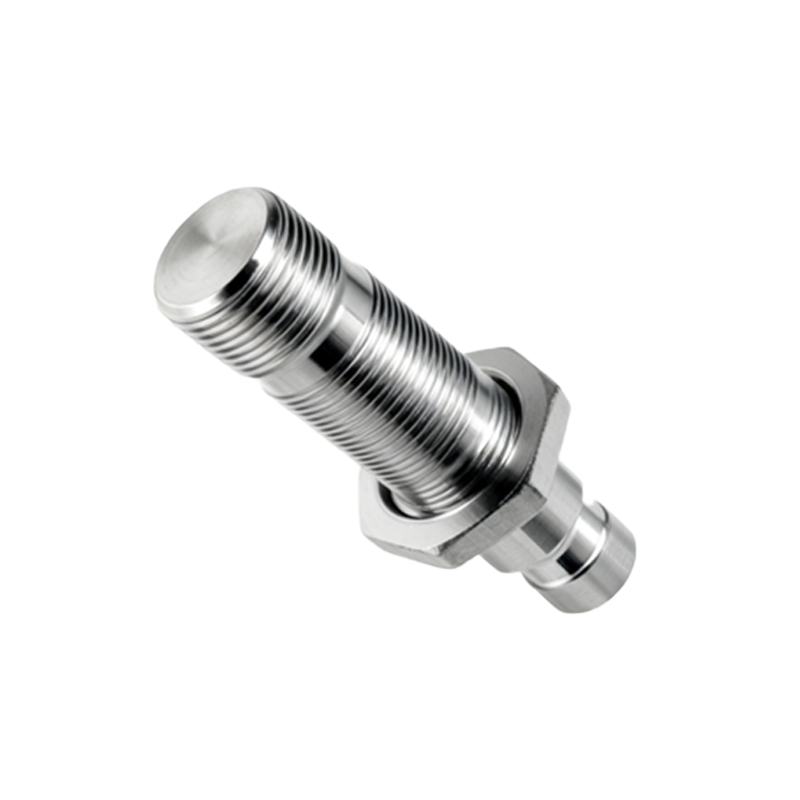
Selecting the appropriate powder proximity switch requires careful consideration of several factors. First, the material characteristics are fundamental: its dielectric constant (for capacitive sensors), density, grain size, and whether it is abrasive or adhesive. The installation environment dictates the needed ingress protection (IP) rating, temperature range, and potential for hazardous areas requiring ATEX or IECEx certification. The process connection type—be it flange, thread, or clamp—must match the vessel or pipe. Output configuration is another key decision; options typically include discrete PNP/NPN, relay, or analog 4-20mA signals for continuous level measurement. Lastly, features like self-cleaning mechanisms, adjustable sensitivity, and diagnostic LEDs can significantly enhance long-term reliability and ease of maintenance.
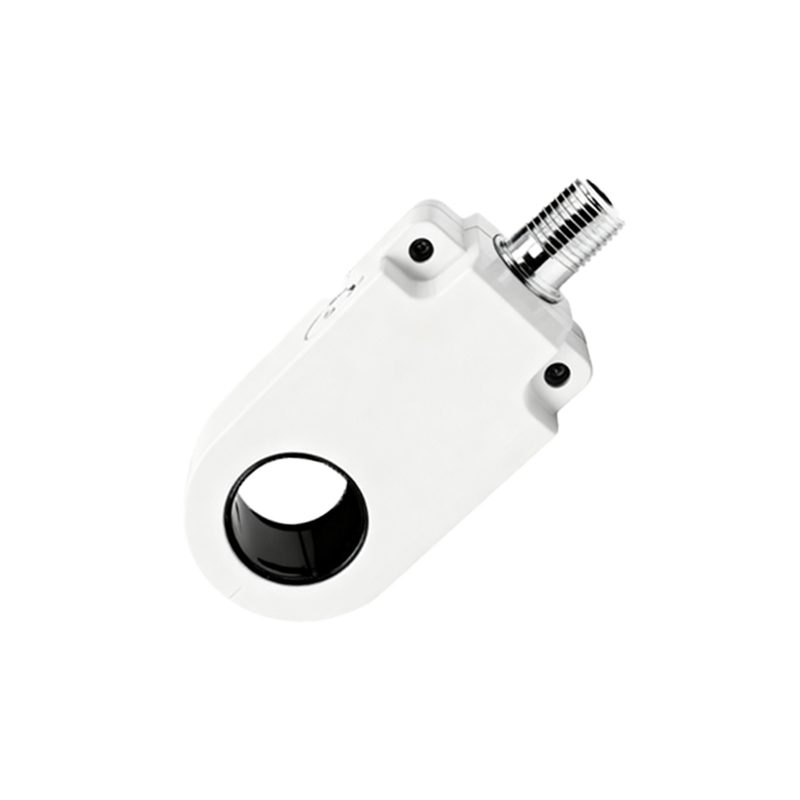
Proper installation and orientation are as crucial as the selection itself. Sensors should be mounted at points where level changes are definitive and where material flow or buildup will not cause false triggering. Regular maintenance, though often minimal, involves checking for excessive material buildup that could insulate the sensing element and verifying the output signal integrity. Modern sensors often include built-in diagnostics to aid in this process.
In conclusion, powder proximity switch sensors are not merely accessories but vital components for safety, efficiency, and quality in powder handling processes. By translating the physical presence of a powder into a clear, actionable electrical signal, they form the sensory foundation for automated control systems. Their specialized design to withstand challenging environments makes them the definitive choice for ensuring operational continuity, preventing costly spills or shortages, and enabling the sophisticated, automated material management that modern industry demands.