Laser scanning sensors have become integral components in modern technology, enabling precise and efficient data acquisition across numerous industries. These devices operate by emitting laser beams toward a target surface and measuring the reflected light to gather detailed spatial information. The core principle involves time-of-flight or phase-shift measurement, allowing for the creation of high-resolution 3D models or precise distance calculations. Unlike traditional mechanical sensors, laser scanners offer non-contact measurement, which minimizes wear and tear and enhances operational longevity.
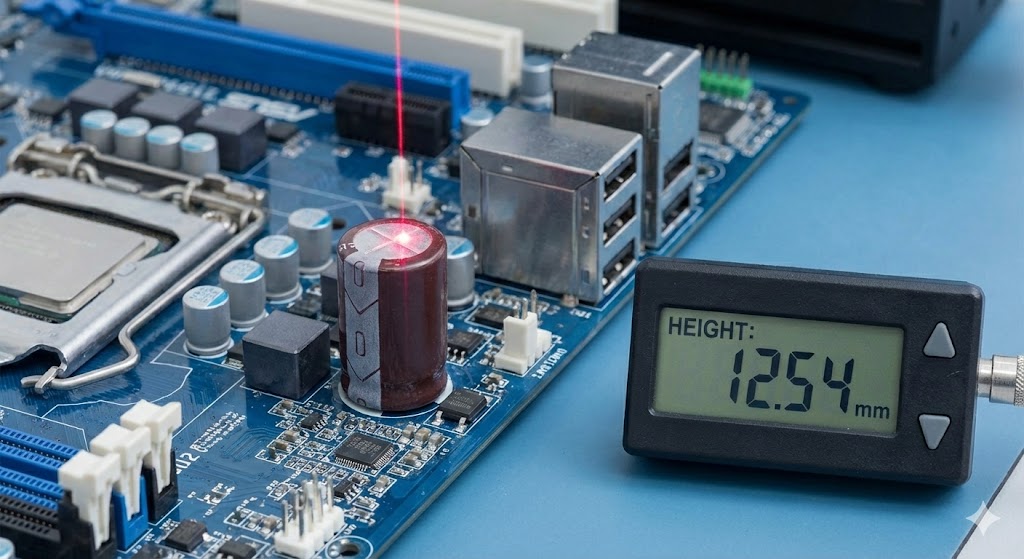
One of the primary functions of laser scanning sensors is dimensional analysis and quality control in manufacturing. In automotive and aerospace sectors, these sensors are deployed to inspect component geometries, ensuring that parts meet stringent tolerance requirements. By rapidly capturing millions of data points, they facilitate real-time monitoring of production lines, reducing defects and improving overall product consistency. Additionally, in electronics manufacturing, laser scanners verify solder paste thickness and component placement, critical for maintaining device reliability.
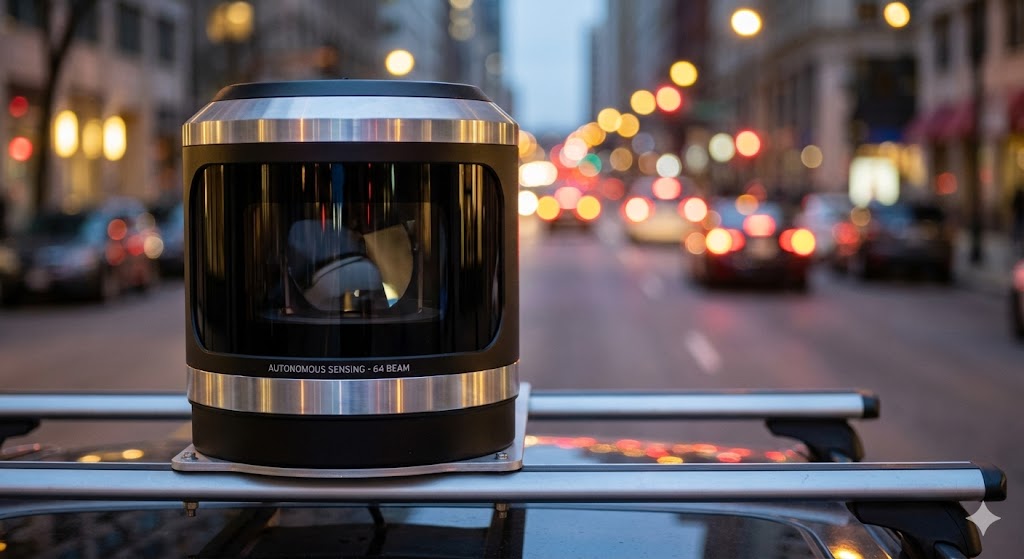
In the realm of robotics and automation, laser scanning sensors serve as essential guidance systems. Autonomous vehicles, for instance, rely on LiDAR (Light Detection and Ranging) sensors—a type of laser scanner—to perceive their surroundings. These sensors generate precise 3D maps of environments, enabling vehicles to navigate complex terrains safely. Similarly, industrial robots use laser scanners for object recognition, pick-and-place operations, and collision avoidance, enhancing efficiency in warehouses and factories. The ability to operate in varied lighting conditions further underscores their versatility.
Construction and architecture also benefit significantly from laser scanning technology. Surveyors employ terrestrial laser scanners to create as-built documentation of structures, capturing intricate details that traditional methods might miss. This data aids in renovation planning, structural analysis, and historical preservation. Moreover, in civil engineering, laser scanners monitor deformation in bridges or tunnels over time, providing early warnings for potential failures and ensuring public safety.
Environmental monitoring and agriculture represent emerging applications for laser scanning sensors. In forestry, airborne LiDAR systems assess canopy height, biomass, and terrain morphology, supporting sustainable resource management. Agricultural drones equipped with laser scanners measure crop health and soil topography, optimizing irrigation and fertilization practices. These applications demonstrate how laser technology contributes to data-driven decision-making in natural resource conservation.
Despite their advantages, laser scanning sensors face challenges such as sensitivity to ambient light interference and high costs for advanced models. Ongoing research focuses on improving accuracy, reducing size, and enhancing affordability. Innovations like solid-state LiDAR and multi-wavelength scanning are poised to expand their usability in consumer electronics and healthcare. For example, medical imaging devices incorporating laser scanners could enable non-invasive diagnostics with unprecedented detail.
In summary, laser scanning sensors play a pivotal role in transforming raw spatial data into actionable insights. From industrial automation to environmental science, their ability to deliver precise, rapid, and non-contact measurements drives innovation and efficiency. As technology evolves, these sensors will likely become even more embedded in everyday applications, shaping the future of smart infrastructure and intelligent systems.