Introduction to Proximity Sensing Technology
Proximity sensors are non-contact electronic devices designed to detect the presence or absence of objects within a defined range without physical contact. These sensors operate by emitting an electromagnetic field or a beam of electromagnetic radiation, such as infrared light, and then monitoring for changes in the field or return signal. The core principle involves sensing a target object, which can be metallic or non-metallic depending on the sensor type, and generating an output signal to trigger a specific action in a control system. This technology is fundamental in industrial automation, providing reliable and precise detection capabilities that enhance operational efficiency and safety. The absence of mechanical contact means reduced wear and tear, leading to longer service life and minimal maintenance requirements, making proximity sensors indispensable in harsh industrial environments where durability is critical.
Key Types and Operating Principles
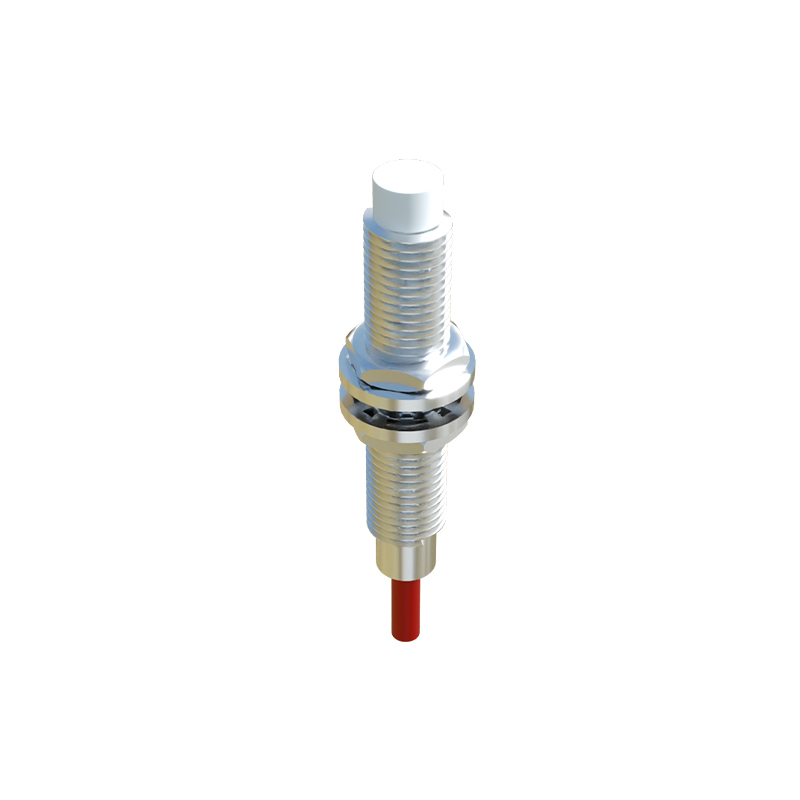
Several types of proximity sensors are utilized across industries, each based on distinct operating principles. Inductive proximity sensors are commonly used for detecting metallic objects. They generate an oscillating electromagnetic field, and when a metal target enters this field, it induces eddy currents that dampen the oscillation, triggering the sensor to switch states. Capacitive proximity sensors, on the other hand, can detect both metallic and non-metallic materials, including liquids and plastics, by measuring changes in capacitance caused by the target's dielectric properties. Ultrasonic sensors use sound waves to gauge distance or presence, emitting high-frequency pulses and calculating the time for echoes to return. Photoelectric sensors employ light beams, often infrared, to detect objects by measuring reflected or interrupted light. Each type offers unique advantages, such as high-speed response, environmental resistance, or sensitivity to specific materials, allowing engineers to select the optimal sensor for diverse applications.
Critical Applications in Industrial Automation
In industrial settings, proximity sensors play a pivotal role in streamlining processes and ensuring precision. They are extensively used in manufacturing lines for object detection, positioning, and counting. For instance, on conveyor systems, inductive sensors monitor the passage of metal components, enabling accurate sorting and packaging. In automotive assembly, capacitive sensors detect non-metallic parts like glass or plastic, ensuring proper installation. Proximity sensors also contribute to safety by implementing machine guarding; they can halt equipment if a worker enters a hazardous zone, preventing accidents. Additionally, in robotics, these sensors provide feedback for arm positioning and obstacle avoidance, enhancing automation flexibility. Their ability to function in extreme conditions—such as high temperatures, dust, or moisture—makes them reliable for use in industries like mining, food processing, and pharmaceuticals, where hygiene and durability are paramount.
Benefits for Operational Efficiency and Safety
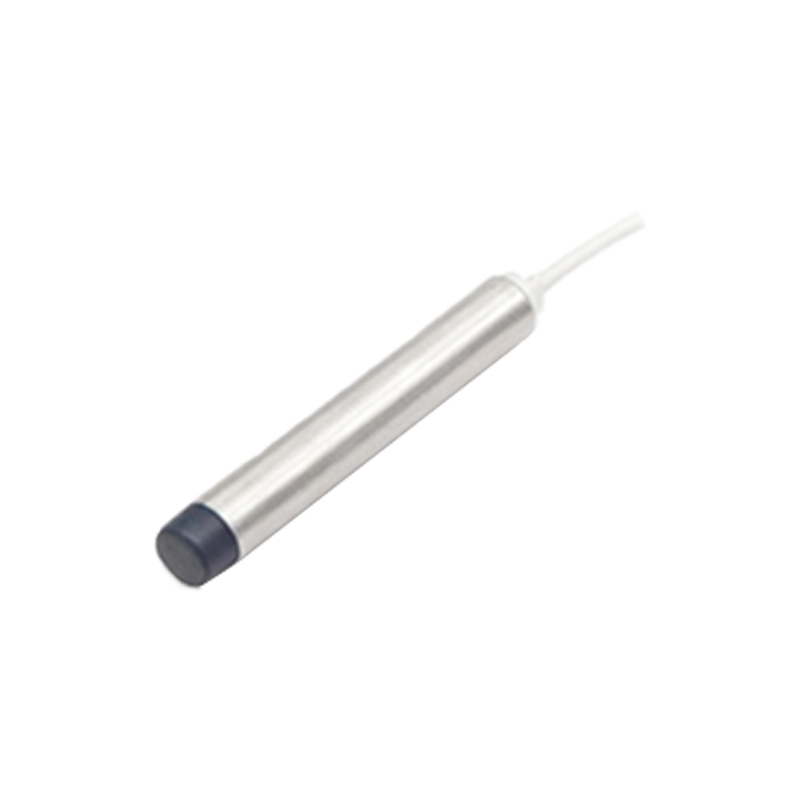
The integration of proximity sensors into automation systems yields significant benefits in terms of efficiency and safety. By enabling non-contact detection, they eliminate mechanical friction, reducing downtime and maintenance costs associated with wear. Their fast response times, often in milliseconds, allow for high-speed operations, increasing throughput in production lines. Accuracy is another key advantage; sensors provide consistent and repeatable detection, minimizing errors in quality control. From a safety perspective, proximity sensors enhance workplace protection by monitoring restricted areas and triggering emergency stops when unauthorized access is detected. They also contribute to energy savings, as many models are designed with low power consumption and can be integrated into smart systems for optimized resource use. Overall, these sensors support lean manufacturing principles by reducing waste and improving process reliability.
Selection Criteria and Installation Considerations
Choosing the right proximity sensor requires careful evaluation of several factors to ensure optimal performance. Engineers must consider the sensing range, which defines the maximum distance at which the sensor can reliably detect a target. Material compatibility is crucial; for example, inductive sensors are ideal for metals, while capacitive sensors suit diverse materials. Environmental conditions, such as temperature extremes, humidity, or exposure to chemicals, influence the selection of sensors with appropriate housing ratings, like IP67 for dust and water resistance. Output type—whether digital (e.g., PNP or NPN) or analog—must align with the control system's requirements. Installation practices also impact functionality; proper mounting, alignment, and shielding from electrical noise are essential to prevent false triggers. Regular calibration and testing help maintain accuracy, ensuring long-term reliability in dynamic industrial applications.
Future Trends and Technological Advancements
The evolution of proximity sensing technology continues to drive innovation in automation. Emerging trends include the development of smart sensors with integrated IoT capabilities, allowing for real-time data monitoring and predictive maintenance via wireless connectivity. Miniaturization is enabling sensors to fit into compact spaces, expanding their use in electronics and medical devices. Enhanced sensitivity and resolution are improving detection accuracy for finer objects, while advancements in materials science are leading to more robust sensors resistant to corrosion and extreme environments. Additionally,