Introduction to Photoelectric Sensor Glasses
Photoelectric sensor glasses represent a sophisticated fusion of optical sensing technology and wearable ergonomic design. Unlike traditional stationary sensors, these devices are integrated into safety glasses or specialized eyewear, providing real-time proximity and object detection directly within the operator's field of view. They operate on the fundamental principle of emitting a light beam—typically infrared, laser, or visible LED—and detecting changes in the received light signal. When an object interrupts or reflects this beam, the sensor triggers a predefined action. This wearable form factor marks a significant evolution in industrial automation, moving sensing capabilities from fixed machine points to the mobile human operator, thereby creating a dynamic, interactive safety and control layer.
Core Working Principles and Components
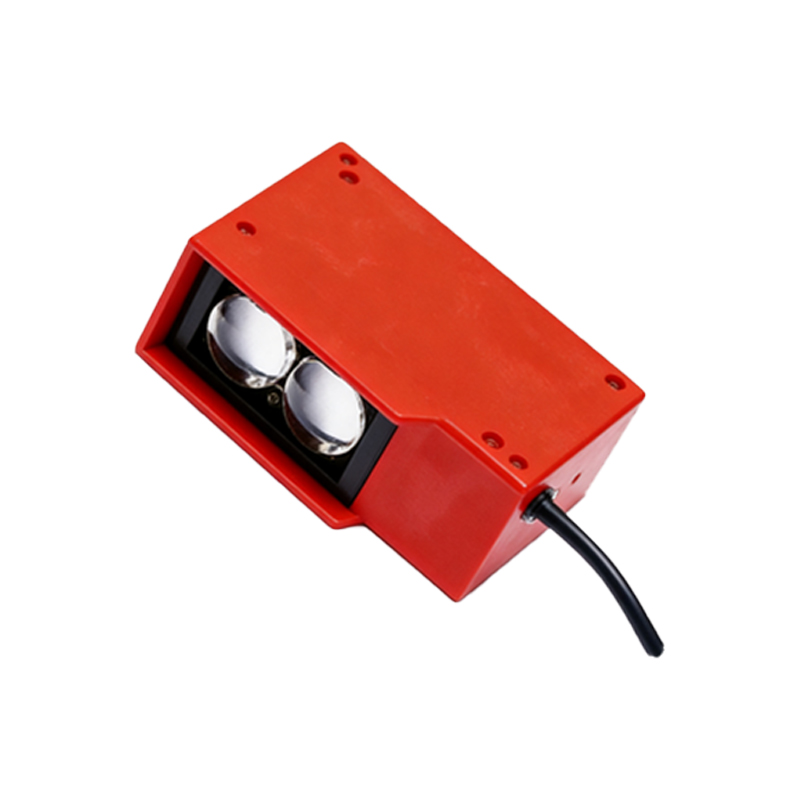
The operational heart of these glasses lies in their compact, integrated photoelectric system. A miniature emitter, often a modulated LED to avoid ambient light interference, projects a focused beam. A corresponding phototransistor or photodiode receiver is positioned to catch the reflected (retro-reflective or diffuse mode) or interrupted (through-beam mode) light. Advanced models utilize background suppression technology to ignore distant objects, focusing only on a specific, programmable range. The glasses are powered by a small, rechargeable battery and contain a microcontroller that processes the sensor signal. The output can be a visual alert on a built-in heads-up display (HUD), an audible warning via a bone-conduction speaker, a tactile vibration, or a wireless signal sent to a central PLC (Programmable Logic Controller) to halt machinery.
Key Applications in Industrial Automation
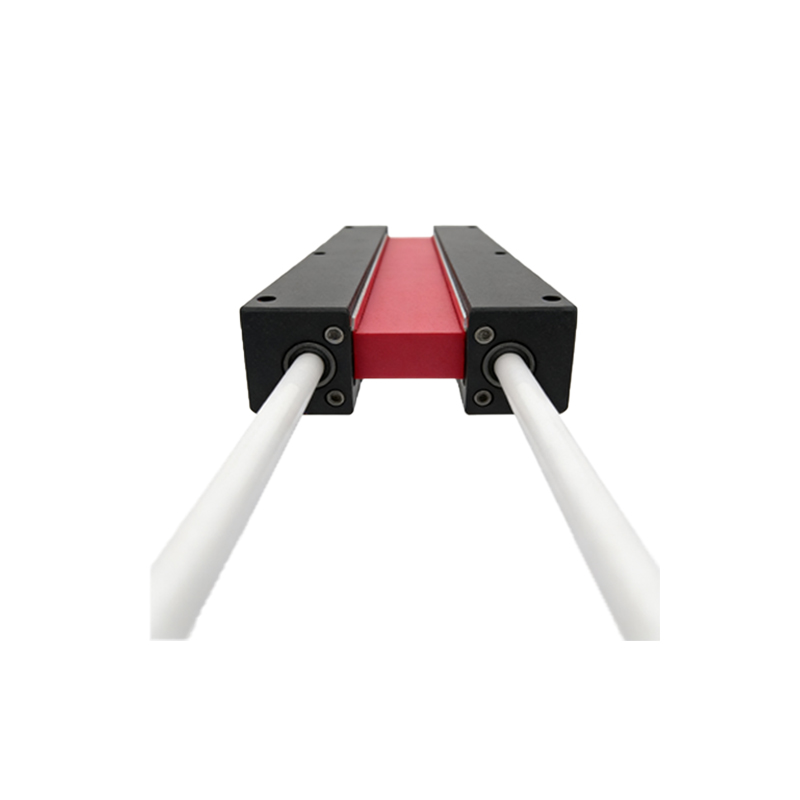
The applications for photoelectric sensor glasses are vast and transformative. In assembly and pick-and-place operations, they can confirm the presence of a correct component in the worker's hand before installation, reducing errors. In human-robot collaborative (cobot) cells, the glasses create an invisible safety zone around the worker; if a robot arm enters this zone, its speed is automatically reduced or it stops entirely. For quality control on moving lines, a glance at an item can trigger a measurement or verification scan, logging data hands-free. In warehouse logistics, they can assist in part identification and bin-picking by projecting visual cues onto the correct item, streamlining order fulfillment. Maintenance technicians benefit by having machine status or diagnostic data overlaid in their view as they approach equipment.
Enhancing Workplace Safety and Ergonomics
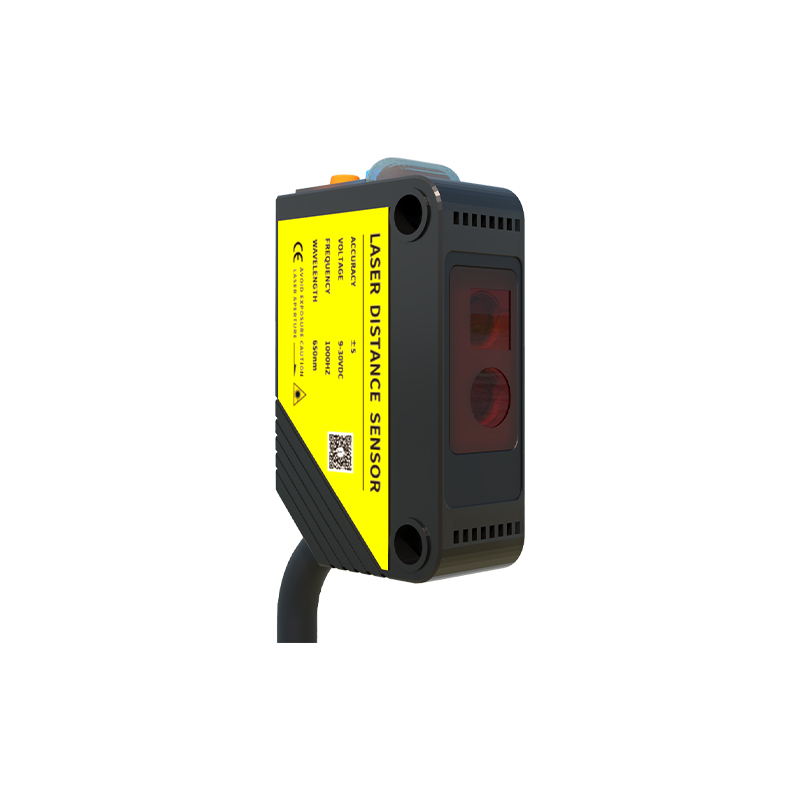
Safety is the paramount driver for this technology. By providing a personal zone of detection, they serve as a last line of defense against collisions with moving machinery, forklifts, or robots. The immediate, contextual warning allows for instinctive reaction, preventing accidents. Ergonomically, they reduce physical and cognitive strain. Workers no longer need to constantly look down at control panels or handheld scanners; information and alerts are presented contextually in their line of sight. This "hands-free, eyes-free" operation minimizes awkward postures and repetitive motions, allowing focus to remain on the primary task, which in turn boosts productivity and reduces fatigue-related errors.
Integration with IoT and Industry 4.0 Systems
Photoelectric sensor glasses are not standalone devices; they are intelligent endpoints in the Industrial Internet of Things (IIoT) ecosystem. Equipped with Bluetooth, Wi-Fi, or proprietary wireless protocols, they transmit valuable real-time data to manufacturing execution systems (MES) or cloud platforms. This data can include worker location, task completion times, encountered exceptions, and environmental readings. This connectivity enables predictive analytics—for instance, if a worker's movements near a machine become atypically slow, it could signal fatigue or a potential procedural issue, prompting supervisory intervention. It also allows for remote expert assistance, where a specialist can see what the worker sees and provide guided annotations directly onto the glasses' display.
Implementation Challenges and Considerations
Despite their potential, widespread adoption faces hurdles. Cost is a primary factor, as the technology is currently a premium investment compared to standard PPE. Battery life and the need for regular charging must be managed within shift schedules. The durability of the glasses must meet rigorous industrial standards for impact, heat, and chemical exposure. Data security and worker privacy are critical concerns when tracking location and performance; clear policies and transparent data handling are essential. Furthermore, user acceptance is crucial. The design must be comfortable for extended wear, and the user interface intuitive to avoid becoming a distraction itself. Proper training is required to ensure workers trust and effectively utilize the system.
Future Trends and Developments
The future of photoelectric sensor glasses is poised for rapid advancement. We anticipate the integration of more sensors—such as thermal imaging, gas detection, or augmented reality (AR) overlays for complex assembly instructions. Artificial Intelligence (AI) on the edge will enable more sophisticated object recognition and predictive hazard analysis. Miniaturization will lead to even lighter, more discreet designs, possibly integrating into standard safety glasses as a modular component. As volumes increase and technology matures, costs will decrease, making them accessible to a broader range of industries beyond high-tech manufacturing, such as construction, agriculture, and healthcare. The convergence of sensing, connectivity, and augmented reality will ultimately create the "connected worker," fundamentally enhancing human capability and safety in automated environments.