Introduction to Photoelectric Sensor Protection
In the demanding environments of modern industrial automation, photoelectric sensors are indispensable components for object detection, positioning, and counting. These sensors operate by emitting a beam of light, typically infrared, visible, or laser, and detecting changes in the received light signal. However, their optical components are inherently vulnerable to contamination from dust, dirt, oil mist, and other airborne particulates prevalent in factories, warehouses, and processing plants. Even a thin layer of contamination on the lens or emitter can scatter or absorb the light beam, leading to signal attenuation, false triggering, or complete sensor failure. This is where a seemingly simple accessory, the photoelectric sensor dust cover, becomes a critical element for system reliability and longevity. Its primary role is to act as a protective barrier, safeguarding the sensitive optical surfaces from environmental pollutants without significantly interfering with the sensor's operational performance.
Primary Functions and Operational Benefits
The core function of a dust cover is to create a sealed or semi-sealed enclosure around the sensor's optical window. This physical barrier prevents the direct accumulation of contaminants on the lens. High-quality covers are designed from materials that are optically clear and resistant to yellowing or hazing over time, ensuring minimal impact on light transmission. Beyond basic dust protection, these covers offer several key benefits. They protect against liquid splashes and sprays, which is crucial in washdown environments common in food and beverage or pharmaceutical industries. They also guard against mechanical damage, such as scratches from abrasive materials or minor impacts during maintenance activities. Furthermore, by keeping the lens clean, dust covers maintain the sensor's original sensing range and accuracy, reducing the need for frequent sensitivity adjustments or recalibration. This leads to fewer production stoppages for cleaning and maintenance, directly contributing to higher overall equipment effectiveness (OEE).
Material Selection and Design Considerations
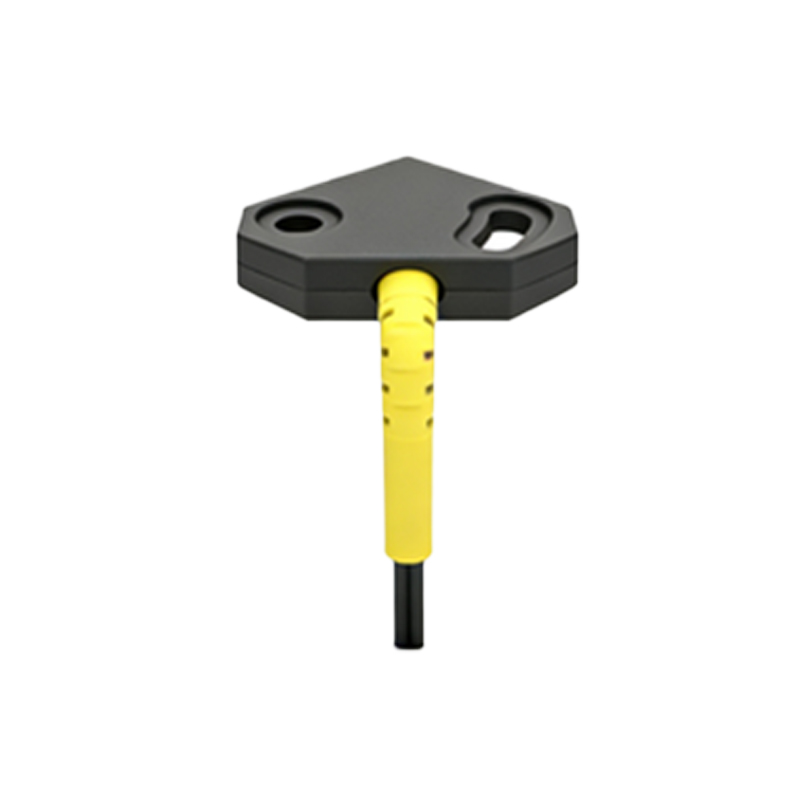
The effectiveness of a dust cover is heavily dependent on its material and design. Common materials include polycarbonate, acrylic, and specialized optical-grade polymers. Polycarbonate is favored for its high impact resistance and durability, while acrylic often offers superior optical clarity. For harsh chemical environments, covers made from PVDF or PTFE may be employed. The design must account for the specific sensor model and its mounting configuration. Some covers are simple slip-on caps, while others are integrated into the sensor housing or require specific mounting brackets. A critical design aspect is the prevention of condensation inside the cover, which can be as detrimental as external dirt. Some advanced designs incorporate hydrophobic coatings or breathable membranes that allow air exchange while blocking particulates. The shape is also optimized to prevent the accumulation of debris on top of the cover itself, which could eventually obscure the optical path.
Impact on Sensing Performance and Maintenance
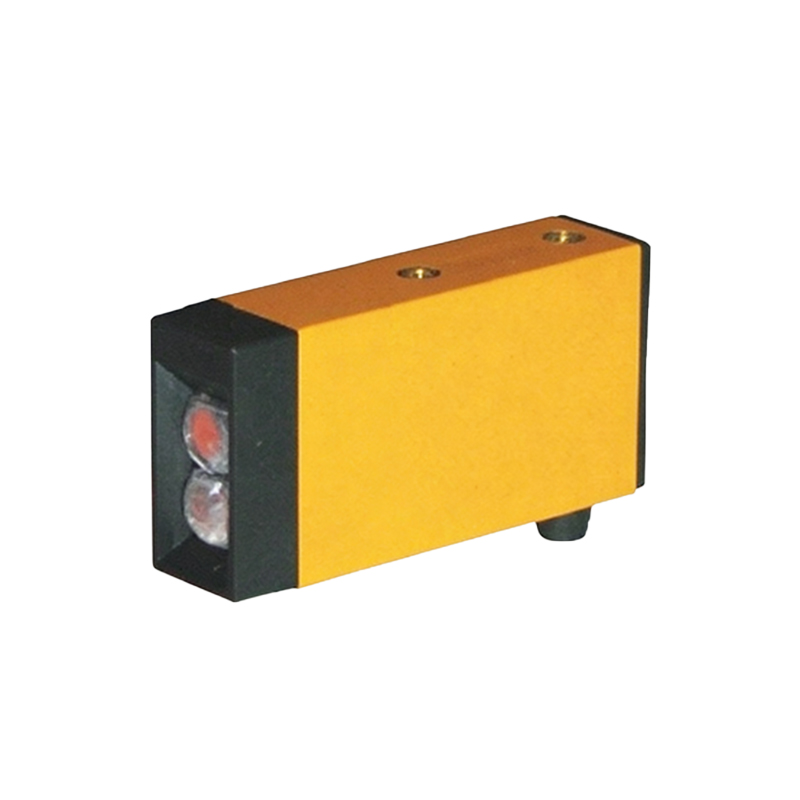
A well-designed dust cover has a negligible effect on the sensing performance when clean. However, it is essential to understand that the cover itself becomes a surface that requires occasional cleaning. The maintenance protocol shifts from cleaning the delicate sensor lens to cleaning the more robust and replaceable cover. This is a significant advantage, as it reduces the risk of damaging the sensor during cleaning. For diffuse reflection sensors, the cover must be kept clean on both sides, as it becomes part of the optical path. For through-beam sensors, separate covers are needed for the emitter and receiver units. Regular inspection schedules should include checking the covers for cracks, clouding, or heavy soiling. In environments with oily mist or sticky residues, choosing a cover with anti-static properties can help repel contaminants. Implementing a routine for cover inspection and replacement as part of preventive maintenance is far more cost-effective than dealing with sensor failures, production delays, and potential quality control issues caused by faulty detection.
Application-Specific Solutions and Industry Examples
The necessity for dust covers spans virtually all industrial sectors. In woodworking and metal fabrication, they protect against sawdust and metal shavings. In packaging and material handling, they prevent dust from cardboard and packaging materials from obscuring sensors on conveyor lines. In the automotive industry, sensors near welding stations or painting booths require protection from sparks and overspray. Food processing plants use sensors with hygienic, FDA-compliant covers that can withstand high-pressure washdowns with caustic cleaners. A notable example is in cement or mining industries, where sensors are exposed to extreme levels of abrasive dust; here, not only are heavy-duty covers used, but sometimes systems with built-in air purging are employed in conjunction with covers to keep the optical surface clear. Selecting the correct dust cover is therefore an application-engineering task, considering factors like IP (Ingress Protection) rating requirements, temperature range, chemical exposure, and the required optical clarity.
Conclusion and Best Practices for Implementation
In conclusion, the photoelectric sensor dust cover is a vital, cost-effective component for ensuring the reliability and accuracy of automation systems. It is not merely an optional accessory but a fundamental part of sensor installation in most industrial settings. Best practices for implementation involve selecting a cover specifically designed for the sensor model and the environmental challenges it will face. Engineers should consult sensor datasheets and manufacturer recommendations for approved covers. Regular maintenance schedules must include visual inspections and cleaning of the covers. For critical applications, consider installing sensors with built-in lens contamination detection alarms, which signal when cleaning is necessary. Investing in high-quality dust protection upfront minimizes downtime, reduces maintenance costs, and extends the operational life of photoelectric sensors, thereby safeguarding the productivity and efficiency of the entire automated process. The small investment in a proper dust cover yields substantial returns in system uptime and operational consistency.