Introduction to 12V Proximity Switch Sensors
A 12V proximity switch sensor is a fundamental component in modern industrial automation and control systems. Operating on a 12-volt DC power supply, these non-contact sensors detect the presence or absence of a target object without any physical contact. This principle of operation makes them exceptionally reliable, durable, and suitable for harsh environments where mechanical wear, dirt, or moisture would compromise other sensing technologies. The 12V DC specification is particularly prevalent due to its compatibility with standard control circuits, vehicle electrical systems, and low-voltage safety requirements in many industrial settings. From assembly lines and packaging machinery to automotive applications and security systems, the versatility of these sensors is unmatched.
Core Operating Principles and Technologies
The functionality of a 12V proximity sensor hinges on its underlying technology. The most common types are inductive, capacitive, and magnetic (Reed or Hall effect). Inductive proximity sensors are the workhorses of metal detection. They generate an electromagnetic field; when a metallic target enters this field, it causes a change in oscillation amplitude, which the sensor's circuit detects and converts into a clean electrical switch signal. Capacitive sensors can detect both metallic and non-metallic materials (like plastic, wood, or liquids) by measuring changes in capacitance caused by the target object. Magnetic sensors react to the presence of a permanent magnet. Regardless of the technology, the 12V DC output is typically in the form of a PNP (sourcing) or NPN (sinking) transistor switch, providing a clear on/off signal to a Programmable Logic Controller (PLC), relay, or other control device.
Key Specifications and Selection Criteria
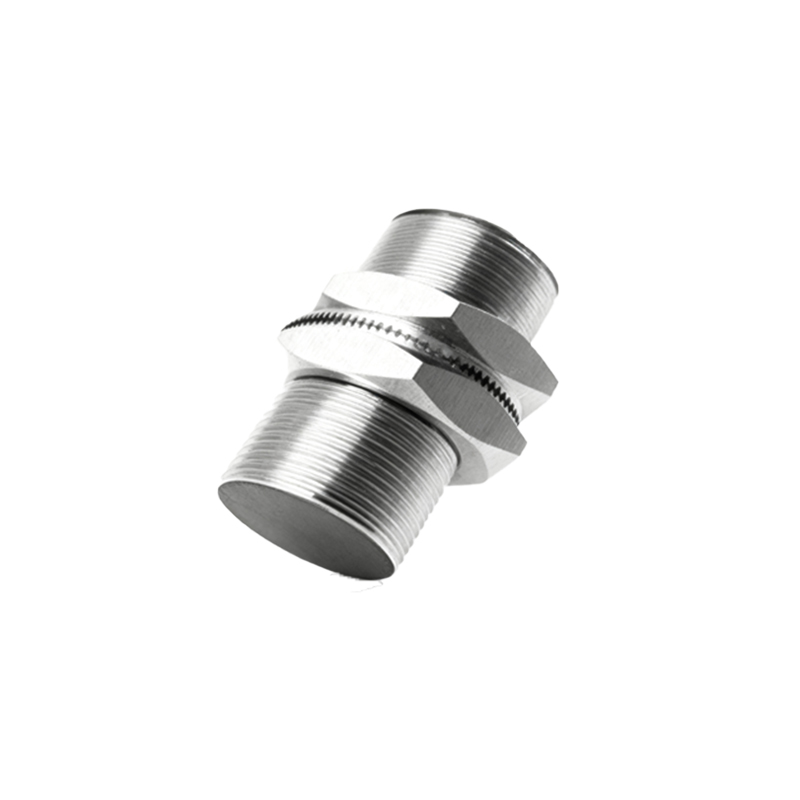
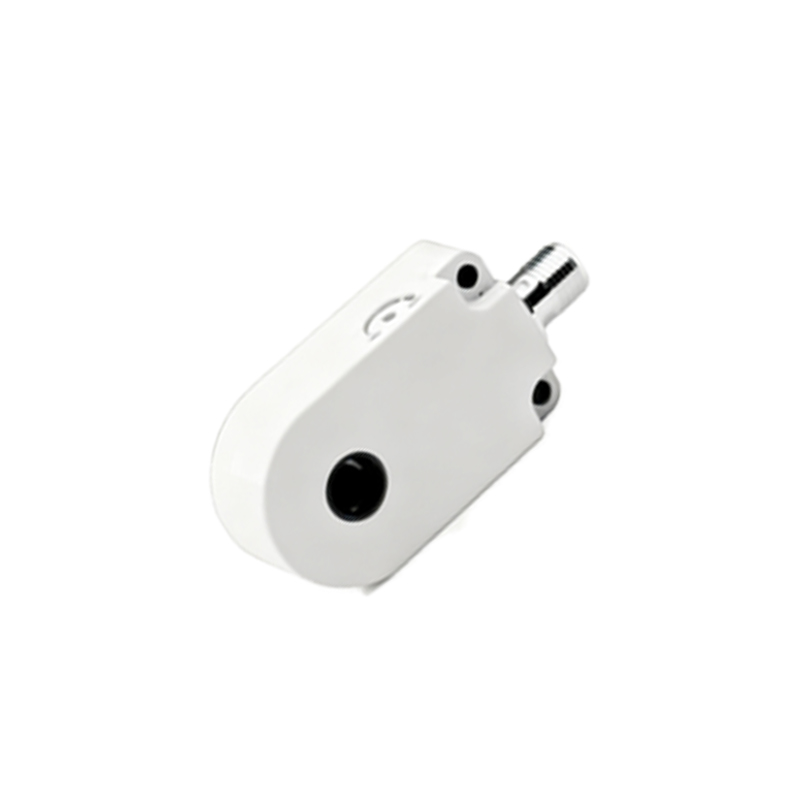
Selecting the correct 12V proximity sensor requires careful analysis of several parameters. The sensing range, usually specified in millimeters, is critical and must be chosen with a safety margin. Environmental factors like temperature rating, ingress protection (IP code for dust and water resistance), and resistance to chemicals or welding spatter are paramount for longevity. The housing material, often nickel-plated brass, stainless steel, or PBT plastic, must suit the application environment. Electrical characteristics include the type of output (PNP/NPN), current rating, and whether it is normally open (NO) or normally closed (NC). For high-speed applications, the sensor's switching frequency is a key consideration. Engineers must also ensure the sensor is shielded (flush-mountable) or unshielded (non-flush), as this affects the detection field and potential interference with nearby metal.
Wiring and Installation Best Practices
Proper installation is crucial for reliable operation. A standard 3-wire 12V DC sensor has connections for brown (12V+), blue (0V common), and black (output signal). For a 2-wire AC/DC sensor, the wiring integrates the load. It is essential to follow the manufacturer's datasheet precisely. Key practices include using shielded cables in electrically noisy environments and grounding the shield at the controller end only. Sensors should be mounted securely to prevent vibration-induced failure. Maintaining the recommended sensing distance and accounting for target material, size, and approach direction ensures consistent triggering. For inductive sensors, avoiding installation in close proximity to other sensors or large metal masses prevents mutual interference and false triggering.
Common Industrial Applications and Use Cases
The application spectrum for 12V proximity sensors is vast. In manufacturing, they are used for part presence verification on conveyor belts, counting products, detecting end-of-travel limits on actuators, and ensuring correct positioning in machining centers. The automotive industry employs them for robotic arm position feedback, detecting gear teeth speed, and verifying door or hood closure. In material handling, they monitor pallet positions and control gate operations. Their low-voltage operation makes them ideal for mobile equipment, agricultural machinery, and security systems for door/window position monitoring. Their robustness allows them to function reliably in dirty, oily, or wet conditions where optical sensors would fail.
Troubleshooting and Maintenance Guidelines
Despite their robustness, issues can arise. Common problems include failure to detect the target, intermittent operation, or sensor damage. A systematic approach to troubleshooting begins with verifying the power supply (a steady 12V DC) and checking all electrical connections for tightness and corrosion. Using a multimeter to measure the output voltage in the presence and absence of the target can confirm switching function. Environmental factors like accumulated metal chips on an inductive sensor face or extreme temperature exposure can cause malfunctions. Regular preventive maintenance involves visual inspection for physical damage, cleaning the sensing face, and checking mounting stability. Most 12V proximity sensors are maintenance-free solid-state devices, but understanding their limits ensures optimal system uptime.