Introduction to NXT Photoelectric Sensors
NXT photoelectric sensors represent a significant advancement in industrial automation, offering reliable object detection across diverse applications. Their core principle involves emitting a beam of light, typically infrared, visible red, or laser, and detecting changes in the received light to sense the presence, absence, or distance of an object. The performance of these sensors is critically dependent on their effective detection range, a parameter that defines the operational boundaries within which they can reliably detect targets. Understanding this range is paramount for system designers and maintenance engineers to ensure robust and fail-safe operations in environments ranging from packaging lines to material handling systems.
Defining Effective Detection Range
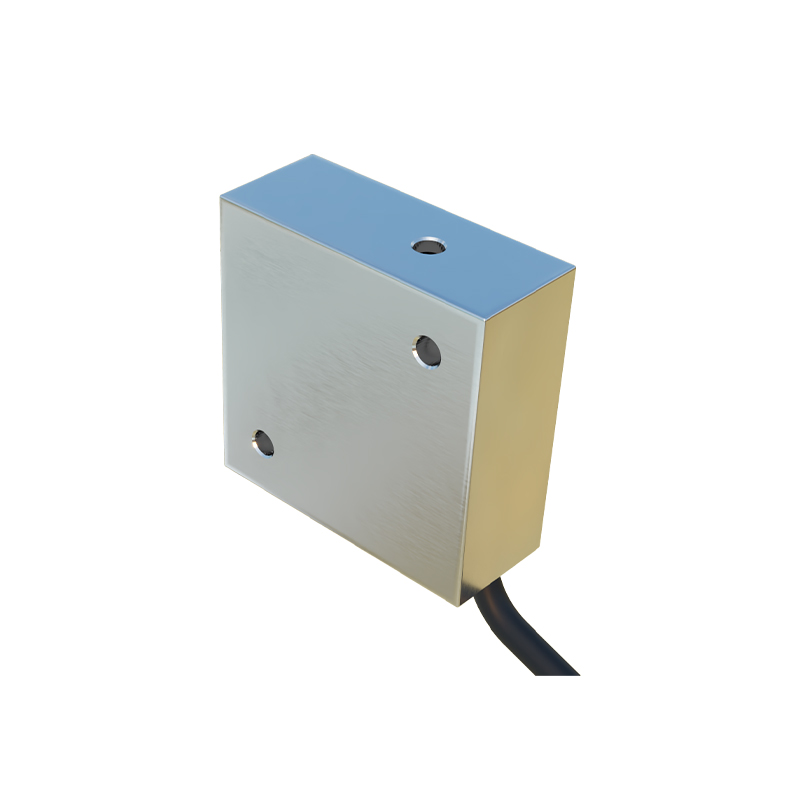
The effective detection range, often specified as the sensing distance, is not a single fixed value but a zone of reliable operation. It is determined by several interrelated factors including the sensor's optical design, light source power, receiver sensitivity, and the environmental conditions. For diffuse reflective sensors, this range is the maximum distance at which a standard target (usually a white matte surface) can be consistently detected. For retro-reflective and through-beam types, it refers to the maximum permissible distance between the emitter and receiver or reflector while maintaining a stable signal. Operating within this specified range guarantees the sensor's stated repeatability and hysteresis.
Key Factors Influencing the Sensing Range
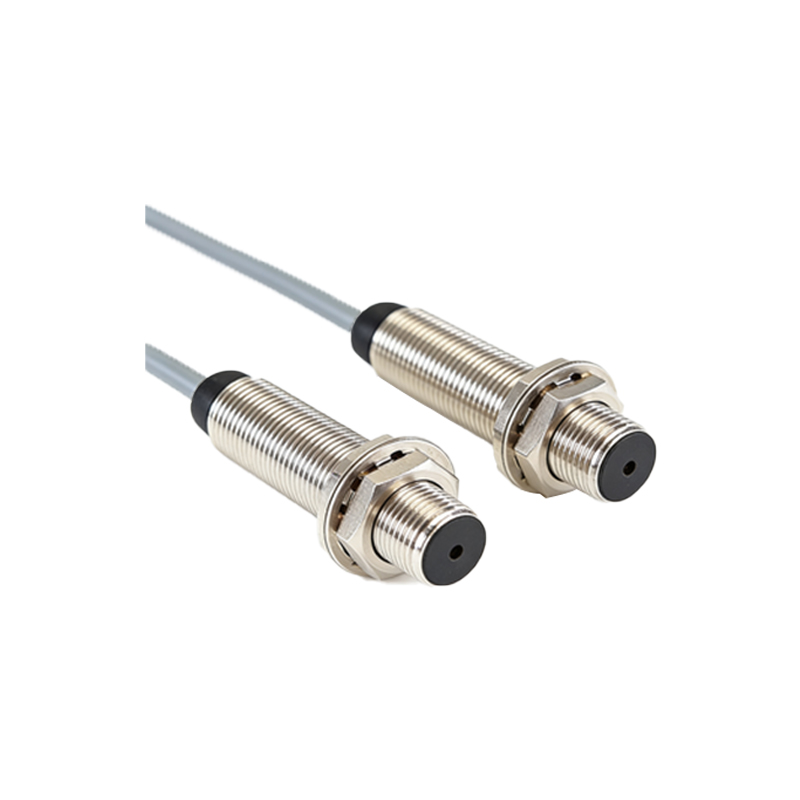
Multiple variables directly impact the practical detection range of an NXT photoelectric sensor. The most fundamental is the target characteristics: its color, material, surface finish, size, and angle. A glossy white surface reflects more light than a matte black one, effectively increasing the range. Environmental light, such as sunlight or high-intensity factory lighting, can saturate the receiver, reducing effective range. Lens contamination from dust, oil, or moisture attenuates the light beam, severely degrading performance. Additionally, the electrical supply voltage can influence the output power of the light emitter, with fluctuations potentially altering the effective range margins.
Sensor Type and Its Impact on Range
The chosen sensing mode dictates the typical effective range. Through-beam sensors, with separate emitter and receiver units, offer the longest detection ranges, often exceeding 10 meters, as they rely on direct beam interruption. Retro-reflective sensors, which use a reflector, provide moderate ranges but can be affected by the reflector's cleanliness and alignment. Diffuse reflective sensors have the shortest effective range, as they depend on light reflecting directly off the target itself; however, advanced models with background suppression or fixed-field technology can precisely define a limited, insensitive range beyond the target. Understanding these differences is crucial for selecting the correct NXT sensor for a given application's distance requirements.
Practical Tips for Maximizing Reliability
To ensure an NXT photoelectric sensor operates consistently within its effective range, proper installation and maintenance are non-negotiable. Always install the sensor well within the manufacturer's specified nominal range, providing a safety margin of 20-30% to account for environmental drift and target variations. Ensure precise alignment for through-beam and retro-reflective types. Implement regular cleaning schedules for lenses and reflectors. Utilize sensor models with features like polarized filters to reject ambient light or high-intensity models for detecting low-reflectivity targets at longer distances. Finally, always refer to the specific datasheet for the exact model, as performance characteristics can vary.
Conclusion and Best Practices
The effective detection range is the cornerstone of reliable photoelectric sensing. For engineers working with NXT series sensors, a deep understanding of this parameter—how it is defined, what influences it, and how to maintain it—directly translates to improved system uptime and reduced false triggers. Successful implementation involves careful sensor selection based on the required range and target properties, prudent installation within operational limits, and a proactive maintenance regimen. By respecting the principles governing detection range, one can fully leverage the precision and versatility that NXT photoelectric sensors bring to modern industrial automation.