Introduction to High Voltage Proximity Switches
High voltage proximity switches are critical components in industrial automation, designed to detect the presence of objects without physical contact in environments with elevated electrical potentials. These sensors operate reliably under harsh conditions, such as in power distribution systems, heavy machinery, and high-voltage testing setups. Their construction prioritizes insulation, durability, and precision to prevent electrical breakdown and ensure safety. This teardown analysis explores the internal architecture of a typical inductive high-voltage proximity switch, shedding light on its design principles and functional elements. By dissecting the unit, we aim to understand how it withstands voltage stresses while maintaining accurate sensing capabilities.
External Housing and Insulation Features
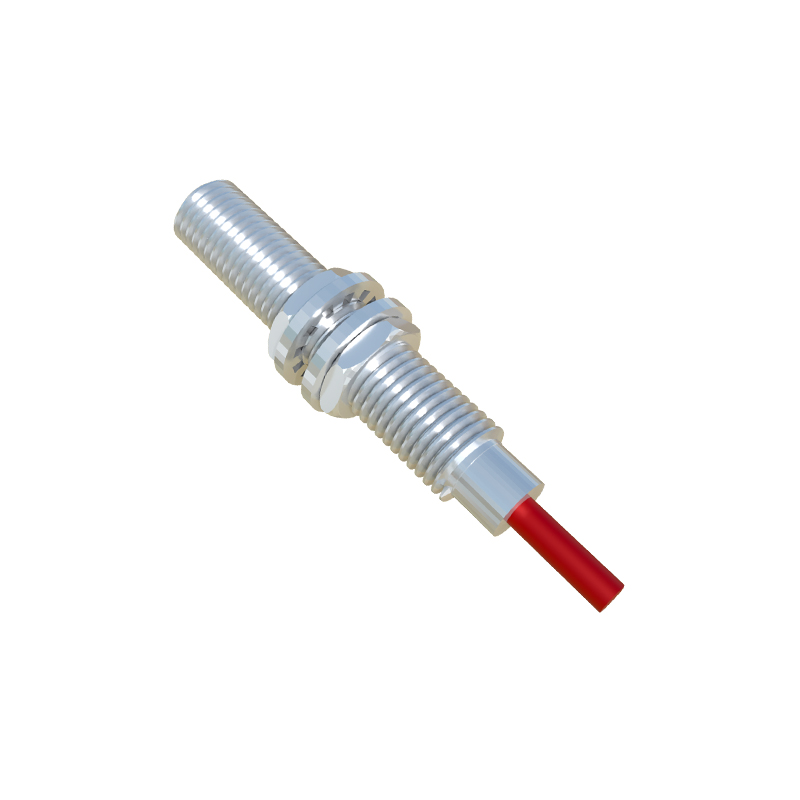
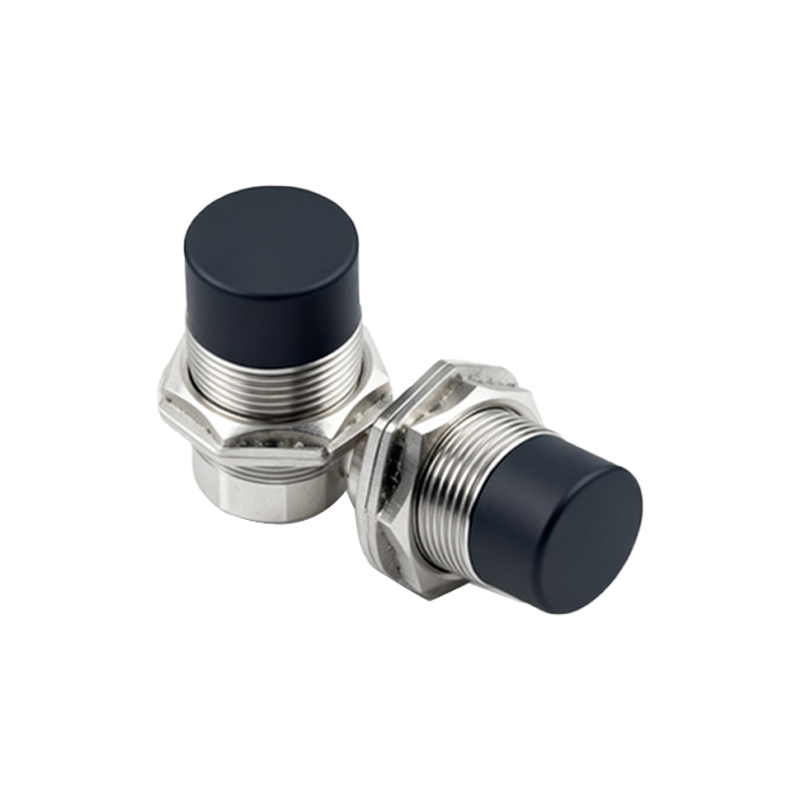
The switch features a robust cylindrical housing made from stainless steel or reinforced polymer, providing mechanical strength and corrosion resistance. The exterior is coated with a thick layer of epoxy or ceramic insulation, which is essential for preventing arc formation and leakage currents in high-voltage applications. Upon removal of the outer shell, a multi-layered insulation system becomes visible, including silicone seals and gaskets that protect internal components from moisture and contaminants. The housing design often incorporates flanges or mounting threads for secure installation, along with cable glands that ensure ingress protection ratings up to IP67. This external structure is the first line of defense against environmental and electrical hazards.
Internal Circuit Board and Sensing Coil
Inside, a compact printed circuit board (PCB) holds the core electronics. The board is fabricated from high-quality FR4 material with extended creepage distances and slots to minimize surface tracking under high voltage. A copper-based sensing coil, wound around a ferrite core, generates an electromagnetic field for object detection. This coil connects to an oscillator circuit that shifts frequency when a metallic target enters the sensing range. The PCB layout emphasizes isolation, with clear separation between high-voltage and low-voltage sections to reduce capacitive coupling. Components such as resistors and capacitors are selected for high dielectric strength, often rated above 2kV, to endure transient spikes.
Signal Processing and Output Stage
The signal from the sensing coil passes through amplification and filtering stages to enhance signal-to-noise ratio. A microcontroller or dedicated IC monitors frequency changes, converting them into digital outputs. The output stage typically includes a solid-state relay or transistor configured for NPN or PNP switching, capable of driving loads like PLCs or contactors. Voltage regulation circuits ensure stable operation despite input fluctuations, often incorporating zener diodes or transient voltage suppressors for overvoltage protection. The design focuses on minimizing response time while providing hysteresis to avoid false triggering, which is crucial in high-speed industrial applications.
Insulation and Safety Mechanisms
Key to high-voltage operation are the insulation barriers within the switch. These include potting compounds—usually polyurethane or silicone-based—that encapsulate the PCB and coil, providing thermal conductivity and electrical isolation. The potting material fills air gaps, preventing corona discharge and partial discharges that could degrade components over time. Additionally, internal shields made of conductive coatings or metal plates divert stray electromagnetic interference, enhancing EMC compliance. Safety standards such as IEC 60947-5-2 dictate clearance and creepage distances, which are meticulously maintained in the layout to prevent flashovers.
Performance Testing and Durability Considerations
After assembly, these switches undergo rigorous testing, including dielectric strength tests at voltages exceeding their rated limits (e.g., 5kV AC for a 1kV rated switch). Environmental tests assess resistance to temperature extremes, vibration, and humidity. The teardown reveals wear-resistant contacts and robust solder joints, indicating a design lifespan of millions of cycles. Engineers prioritize materials with low thermal expansion coefficients to avoid cracking under thermal cycling. Field-replaceable parts, such as indicator LEDs or cable connectors, are modular to simplify maintenance without compromising insulation integrity.
Conclusion and Industry Implications
This teardown highlights the engineering sophistication behind high-voltage proximity switches, balancing sensing accuracy with stringent safety requirements. Innovations in materials and miniaturization continue to enhance their performance, enabling use in smart grids and automated high-voltage systems. For industry professionals, understanding these internal details aids in selection, troubleshooting, and customization for specific applications. As voltage levels rise in modern infrastructure, such components will remain pivotal in ensuring reliable and safe industrial operations.