Introduction to the Field Trial Context
The successful integration of proximity sensors into automated industrial systems is paramount for operational efficiency and safety. This article details a comprehensive field trial conducted at a high-volume automotive component manufacturing plant. The primary objective was to evaluate the performance, reliability, and integration capabilities of a new series of inductive proximity sensors from a leading brand under real-world, demanding conditions. The trial spanned eight weeks, focusing on critical assembly and material handling stations where sensor failure directly impacts production throughput.
Installation and Initial Configuration
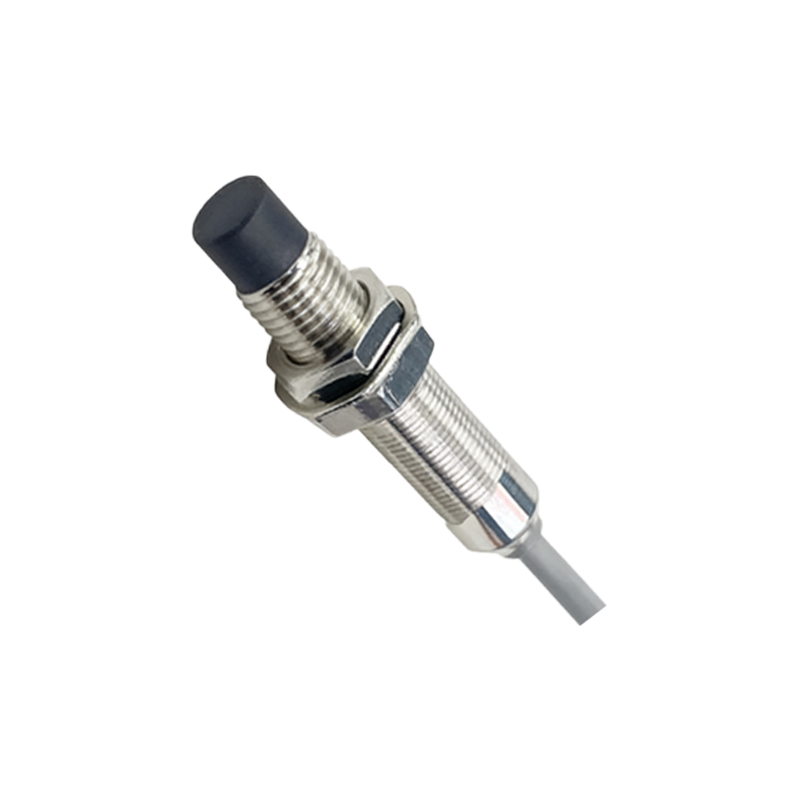
Deployment commenced on the primary robotic pick-and-place line. The sensors, featuring M18 and M30 threaded cylindrical housings in nickel-plated brass, were installed to detect the presence of metallic engine brackets. Initial configuration was notably straightforward, facilitated by integrated LED status indicators and clear, concise documentation. The sensors' robust IP67 rating proved immediately beneficial in the coolant-misted environment. Wiring integration with the existing PLC system was seamless, requiring no special adapters, which minimized downtime during the installation phase.
Performance Under Continuous Operation
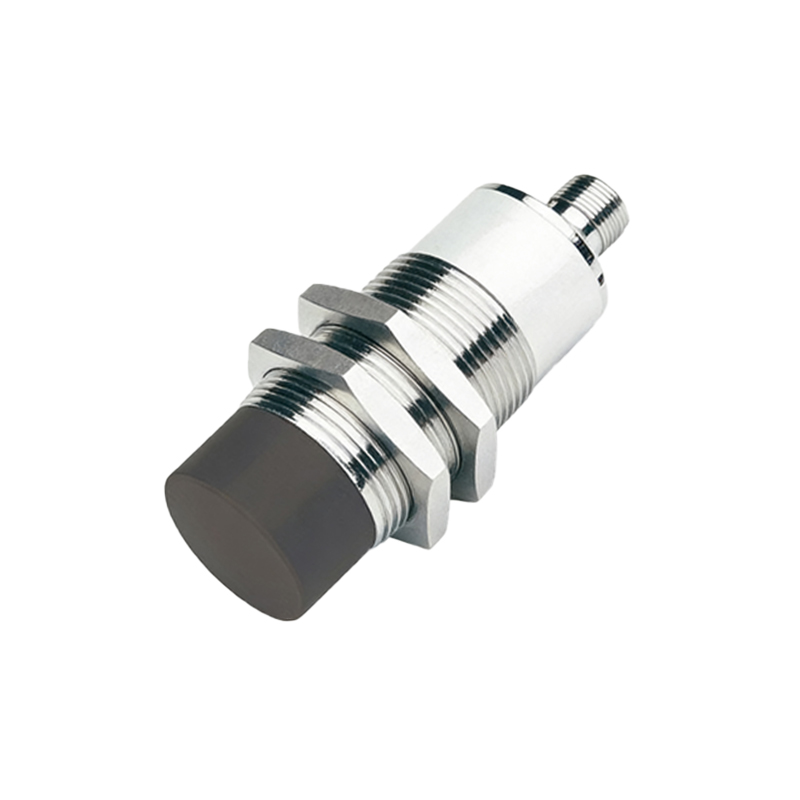
Over the subsequent weeks, the sensors were subjected to continuous 24/5 operation. Key performance metrics included switching frequency accuracy, repeatability, and temperature stability. Data logs revealed exceptional consistency in the switching point, with a deviation of less than ±2% from the specified sensing range, even as ambient temperatures fluctuated near the machinery. The sensors demonstrated complete immunity to the electromagnetic interference generated by nearby high-power motors and welding equipment, a common failure point for lesser units. No false triggers or missed detections were recorded during the peak production periods.
Resilience to Harsh Environmental Factors
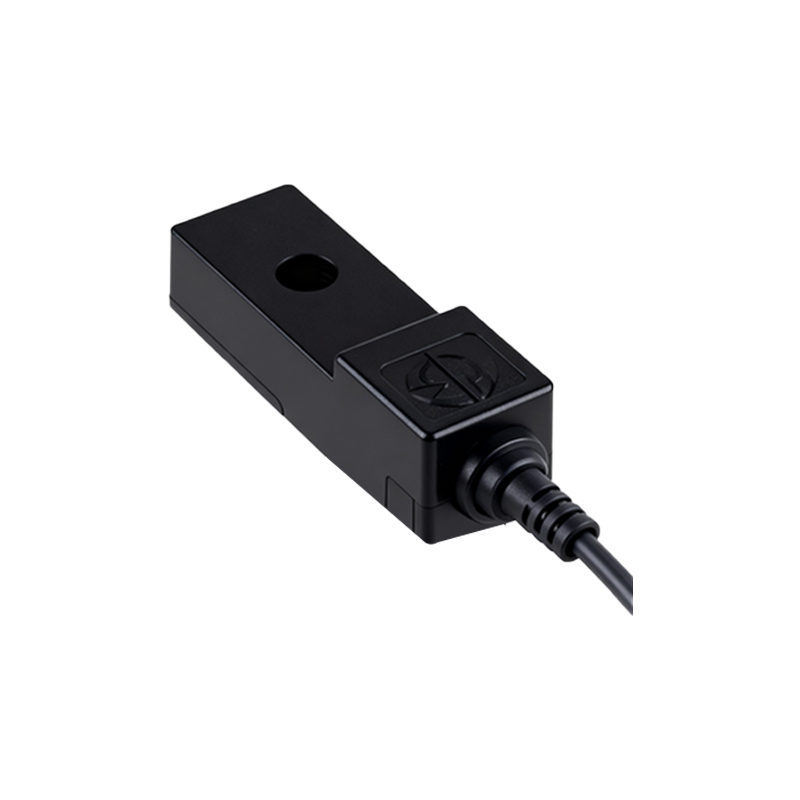
The manufacturing environment presented significant challenges, including particulate debris, oil mist, and occasional mechanical impact from misaligned parts. The sensors' sealed housings and resistant face materials effectively prevented ingress and damage. A comparative analysis with the previously installed sensors showed a 40% reduction in maintenance events related to contamination or physical damage. This resilience directly contributed to increased machine availability and reduced maintenance labor costs over the trial period.
Long-Term Reliability and Maintenance Observations
As the trial progressed into its final weeks, the focus shifted to long-term reliability signals. The sensors showed no signs of performance degradation. Internal diagnostics, accessible via a simple teach-in procedure, confirmed stable operating parameters. Maintenance requirements were virtually non-existent beyond routine visual inspections. The trial concluded with a calculated Mean Time Between Failures (MTBF) projection that significantly exceeded the industry standard for this application class, suggesting a strong potential for reducing total cost of ownership.
Conclusion and Final Recommendations
The field trial unequivocally validated the high performance and robustness of the brand's proximity sensors in a challenging industrial setting. Their precision, environmental resilience, and reliability directly translated into measurable gains in production line stability and efficiency. Based on the empirical data collected, these sensors are highly recommended for similar high-demand automation applications, particularly in automotive, metalworking, and heavy machinery sectors where uptime is critical. The investment is justified by the reduction in unscheduled downtime and maintenance overhead.