Introduction to Touch Sensor Proximity Technology
Touch sensor proximity switches represent a significant leap in industrial sensing technology. Unlike traditional mechanical switches that require physical contact, these advanced devices detect the presence or absence of an object within a predefined range without any physical interaction. Operating on principles such as capacitive, inductive, or optical sensing, they generate an electrical signal when a target enters their detection field. This contactless operation is the cornerstone of their reliability, eliminating mechanical wear and tear associated with physical switches. The core mechanism involves creating an electromagnetic or electrostatic field; when an object disturbs this field, the sensor's internal circuitry detects the change and triggers a switching action. This fundamental shift from contact-based to field-based detection has opened new avenues for automation, particularly in environments demanding hygiene, precision, or safety.
Core Operating Principles: Capacitive vs. Inductive Sensing
The functionality of touch sensor proximity switches primarily hinges on two dominant technologies: capacitive and inductive sensing. Capacitive proximity switches detect objects by measuring changes in capacitance. They generate an electrostatic field. When a conductive or even non-conductive material with a different dielectric constant enters this field, it alters the capacitance, which the sensor detects. This makes them exceptionally versatile for detecting liquids, plastics, wood, and granular materials through non-metallic containers. Inductive proximity switches, in contrast, generate an electromagnetic radio frequency field. They are specifically designed to detect metallic objects. When a metal target enters the oscillating field, it induces eddy currents on the metal's surface, causing a load on the sensor's oscillator. This change is processed to switch the output state. The choice between capacitive and inductive types is critical and depends entirely on the application's material detection requirements and environmental conditions.
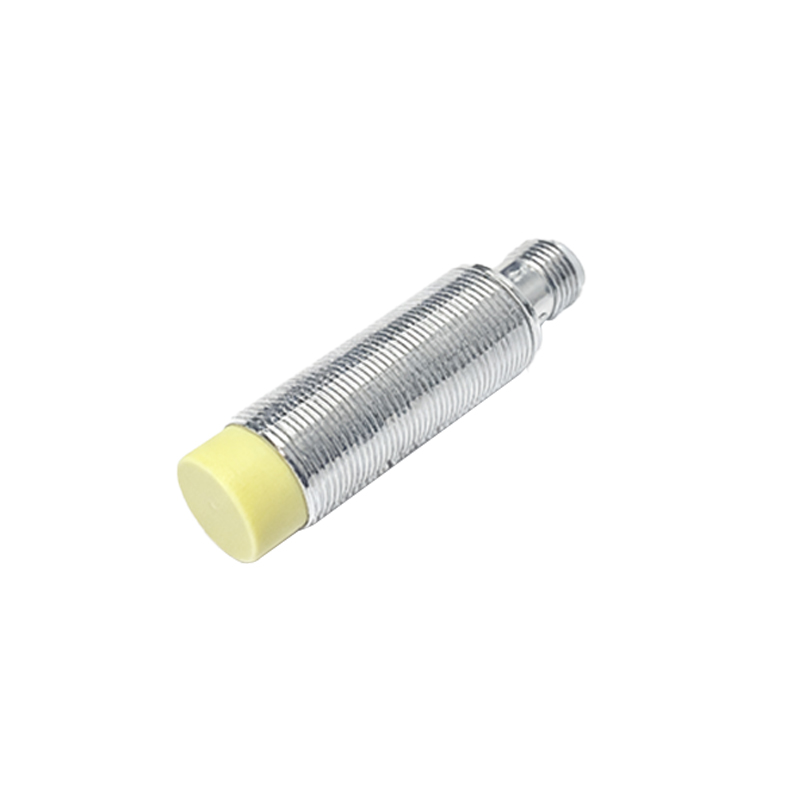
Key Advantages in Industrial Applications
The adoption of touch sensor proximity switches delivers substantial benefits across manufacturing and processing industries. Their foremost advantage is exceptional longevity due to the absence of moving parts that can fail from friction or impact. This translates to reduced maintenance costs and higher system uptime. Furthermore, their high-speed switching capability allows for the detection of objects moving at very high velocities, which is essential in modern high-throughput production lines. They are inherently sealed units, offering high degrees of protection (IP67, IP69K) against dust, moisture, and aggressive cleaning chemicals, making them ideal for food & beverage, pharmaceutical, and washdown applications. Their immunity to environmental factors like vibration and their ability to function reliably in dirty or oily conditions where optical sensors might fail, further solidifies their role as a robust and dependable solution for harsh industrial environments.
Critical Selection Criteria for Engineers
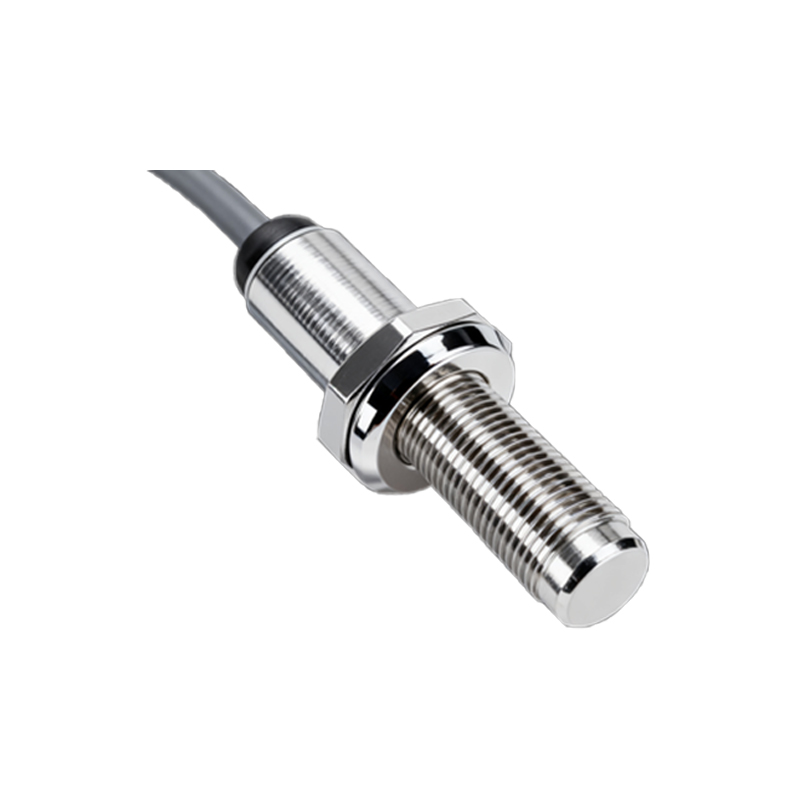
Selecting the appropriate touch sensor proximity switch requires a meticulous evaluation of several technical parameters. The sensing range, or the maximum distance at which the sensor can reliably detect a standard target, is a primary consideration. Engineers must also specify the output type, typically choosing between NPN (sinking) or PNP (sourcing) transistor outputs, or sometimes analog outputs, to match the control system's input card requirements. The housing material, such as nickel-plated brass, stainless steel, or PBT plastic, must be chosen based on the chemical and physical exposure of the installation site. Other vital factors include the switching frequency (response speed), temperature operating range, and the required electrical protection features like short-circuit and reverse polarity protection. A thorough understanding of the target object's material, size, and the required installation setup (flush or non-flush) is imperative for optimal performance.
Installation and Configuration Best Practices
Proper installation is paramount to achieving the specified performance and avoiding false triggers. A fundamental rule is to maintain adequate clearance between the sensor's active face and the mounting metal, as specified by the manufacturer, to prevent the sensing field from being influenced by the surrounding metal (shielding effect). For inductive sensors, the sensing distance can vary based on the target metal type; for instance, steel is detected at the nominal range, while aluminum or copper may reduce it. Correct wiring according to the datasheet is non-negotiable, ensuring the correct voltage supply and load connection to prevent device damage. Environmental considerations, such as avoiding strong electromagnetic interference from motors or welders, and protecting the sensor from direct physical impact or accumulation of debris on its face, are essential for long-term, trouble-free operation. Regular functional testing should be integrated into the preventive maintenance schedule.
Emerging Trends and Future Outlook
The evolution of touch sensor proximity switches is closely tied to the broader trends of Industry 4.0 and smart manufacturing. The next generation of these devices is becoming increasingly intelligent and connected. Modern IO-Link enabled proximity switches go beyond simple on/off signals; they can transmit detailed diagnostic data, such as operating