Introduction to Square Metal Inductive Proximity Sensors
In the realm of industrial automation, the reliable detection of metallic objects is a fundamental requirement. Among the diverse array of sensing technologies, square metal inductive proximity sensors have carved out a significant niche. These robust devices are engineered to detect the presence of ferrous and non-ferrous metals without physical contact. Their distinctive square housing, typically constructed from nickel-plated brass or stainless steel, offers superior durability and facilitates easy mounting in tight spaces where traditional cylindrical sensors might not fit. The operating principle is based on electromagnetic induction. An internal oscillator generates a high-frequency electromagnetic field that emanates from the sensor's active face. When a metallic target enters this field, eddy currents are induced within the target, causing a change in the oscillator's amplitude. This change is detected by the sensor's circuitry, which subsequently triggers a solid-state output switch.
Key Advantages and Design Features
The square form factor provides several inherent benefits. The flat surfaces allow for flush mounting, which is crucial in applications with limited clearance. Many models feature built-in mounting holes or slots, simplifying installation on machinery frames, conveyors, or robotic arms. The metal housing offers exceptional resistance to mechanical impacts, vibrations, and harsh environmental conditions such as coolants, oils, and metal chips commonly found in machining and manufacturing settings. Furthermore, these sensors are often equipped with LED status indicators for easy diagnostics, showing power availability and output state. Advanced designs incorporate short-circuit and overload protection, reverse polarity protection, and immunity to electrical noise, ensuring stable operation in electrically noisy industrial environments. The sensing distance, while typically shorter than that of capacitive sensors, is highly stable and repeatable for metallic targets.
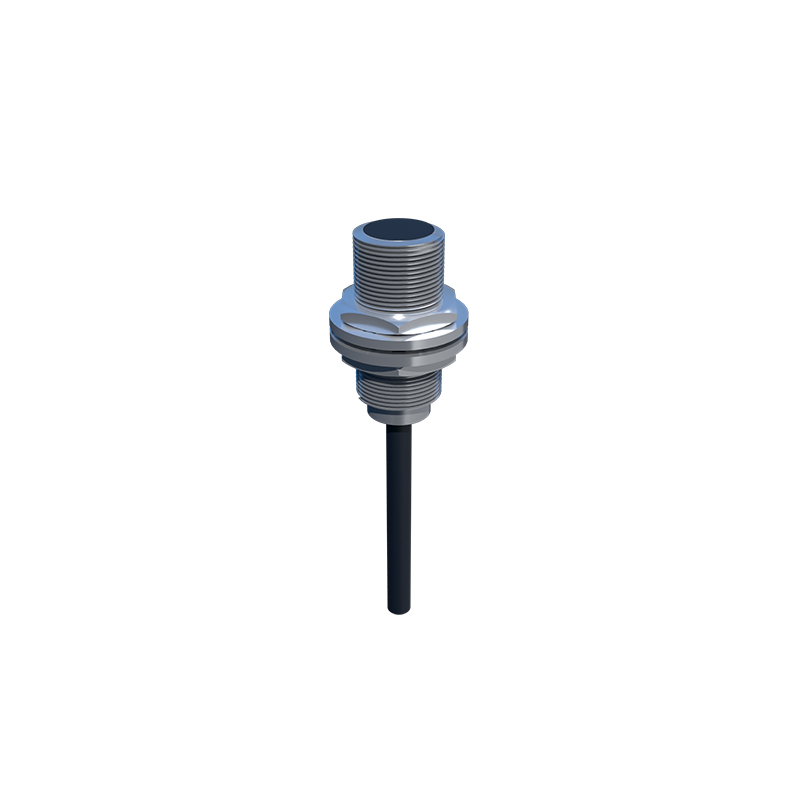
Understanding Sensing Distances and Target Materials
A critical specification for any inductive proximity sensor is its nominal sensing distance (Sn). This is the rated operating distance for a standard target, usually defined as a square of mild steel (Fe 360) with a thickness equal to the sensor's face side. It is vital to note that the effective sensing range can vary significantly with different target materials. For instance, the sensing distance for stainless steel is often reduced to approximately 85% of Sn, while for aluminum or copper, it can drop to 30-40% of Sn. This reduction factor must be carefully accounted for during system design. Square sensors are available in various sensing ranges, from a few millimeters up to several centimeters. Additionally, the concept of "factor 1" mounting is essential. These sensors can be mounted flush with a metal surface without a reduction in sensing range, as their electromagnetic field is designed to be focused forward, minimizing lateral interference.
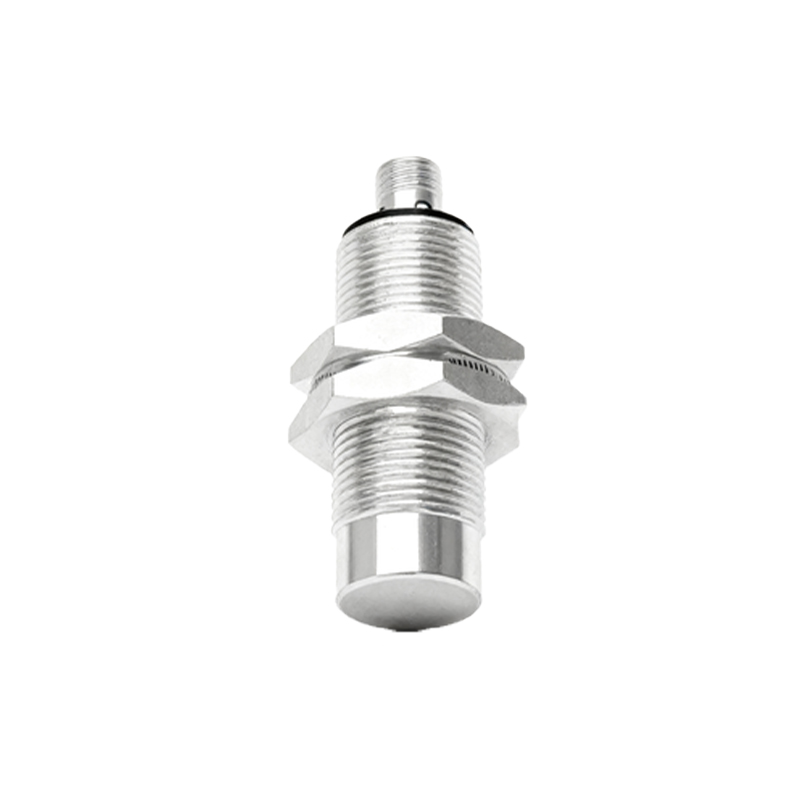
Output Configurations and Wiring
Square metal inductive proximity sensors are predominantly available in two-wire, three-wire, and four-wire DC configurations, with some AC/DC universal models. The three-wire DC type is the most common, offering either a PNP (sourcing) or NPN (sinking) transistor output. PNP sensors switch the positive voltage to the load, while NPN sensors switch the negative or ground side. The choice between PNP and NPN is dictated by the control system's input module requirements (e.g., PLC). Two-wire sensors are simpler to wire, acting like a switch in series with the load, but they have a small residual current when off and a voltage drop when on. Four-wire devices often provide both a normally open (NO) and a normally closed (NC) output from a single unit. Wiring is typically done via pre-attached cables or connector systems (e.g., M8 or M12 connectors), which enhance maintenance and replacement speed.
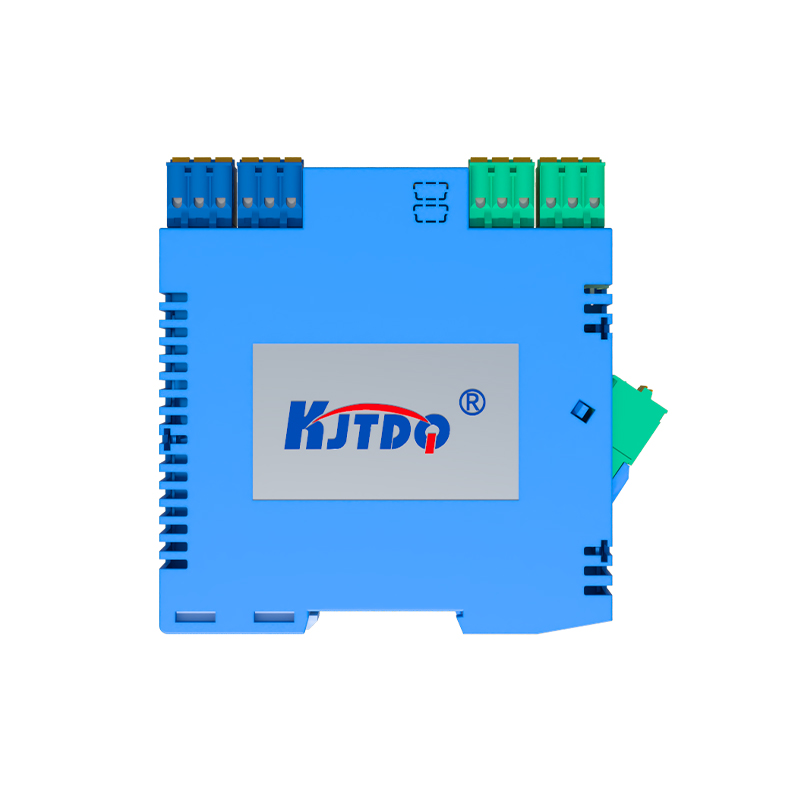
Typical Industrial Applications
The application spectrum for these sensors is vast. In automotive manufacturing, they are used for part presence verification on assembly lines, detecting pistons, gears, or engine blocks. In material handling, they monitor the position of pallets on conveyors, detect metal containers, or act as end-of-travel limit switches on automated guided vehicles (AGVs). Machine tooling relies on them for tool breakage detection, spindle positioning, and workpiece clamping confirmation. Packaging machinery utilizes them to count metal items or verify the position of metalized foil lids. Their robustness makes them ideal for heavy-duty environments like steel mills, foundries, and woodworking (for detecting metal staples or fasteners). The square shape is particularly advantageous in applications requiring side-by-side mounting or integration into machined slots.
Selection Criteria and Installation Best Practices
Selecting the right sensor involves evaluating several parameters. First, determine the required sensing distance and the target material. Next, choose the appropriate housing material; stainless steel is preferred for highly corrosive or wash