Introduction to Inductive Proximity Sensors
Inductive proximity sensors are non-contact electronic devices widely used in industrial automation to detect the presence or absence of metallic objects. Operating on the principle of electromagnetic induction, these sensors generate an oscillating electromagnetic field from a coil wound around a ferrite core. When a metallic target enters this field, eddy currents are induced in the object, causing a change in the oscillation amplitude. This alteration is detected by the sensor's internal circuitry, which then triggers an output signal—typically a switching action. The key advantage lies in their ability to function without physical contact, ensuring minimal wear and tear, high reliability, and long operational life. Common applications include position sensing, object counting, and speed detection in machinery, making them indispensable in manufacturing, automotive, and packaging industries.
Core Operating Principles and Design
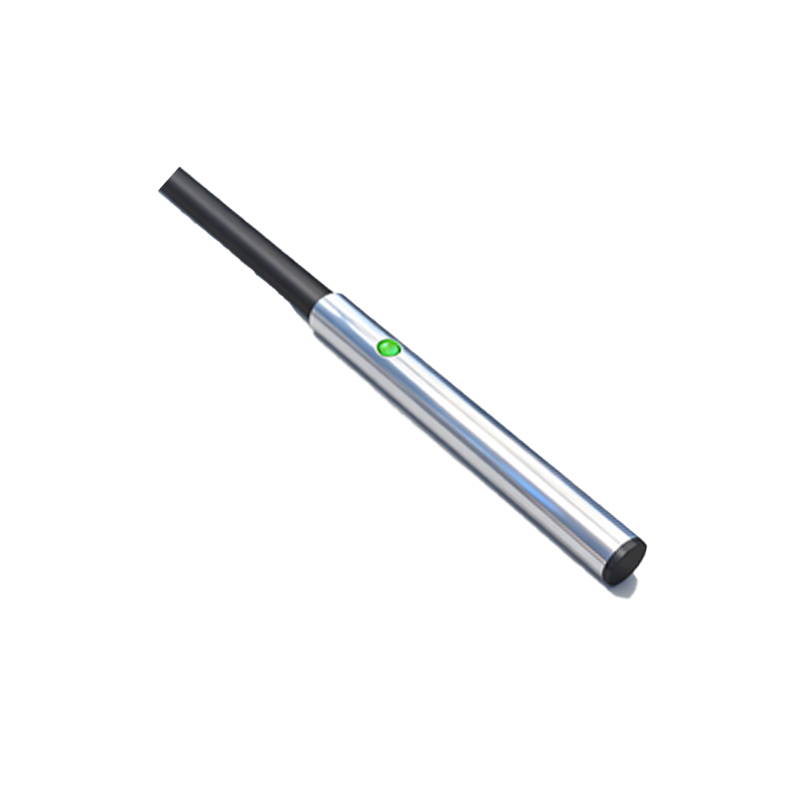
The functionality of inductive proximity sensors hinges on electromagnetic theory. A high-frequency oscillator circuit produces the electromagnetic field, which radiates from the sensor's active face. When a conductive metal—such as steel, aluminum, or copper—approaches within the specified sensing range, energy is absorbed due to eddy current formation. This energy loss dampens the oscillation, and a threshold circuit monitors this change to activate the output. Sensors are designed with various sensing distances, typically ranging from a few millimeters to several centimeters, depending on the target material and sensor size. Shielding or non-shielding configurations are available: shielded types allow flush mounting in metal, while non-shielded versions offer extended ranges. Advanced models incorporate temperature compensation and immunity to electrical noise, ensuring stable performance in harsh environments like factories with vibration or dust.
Key Advantages in Industrial Settings
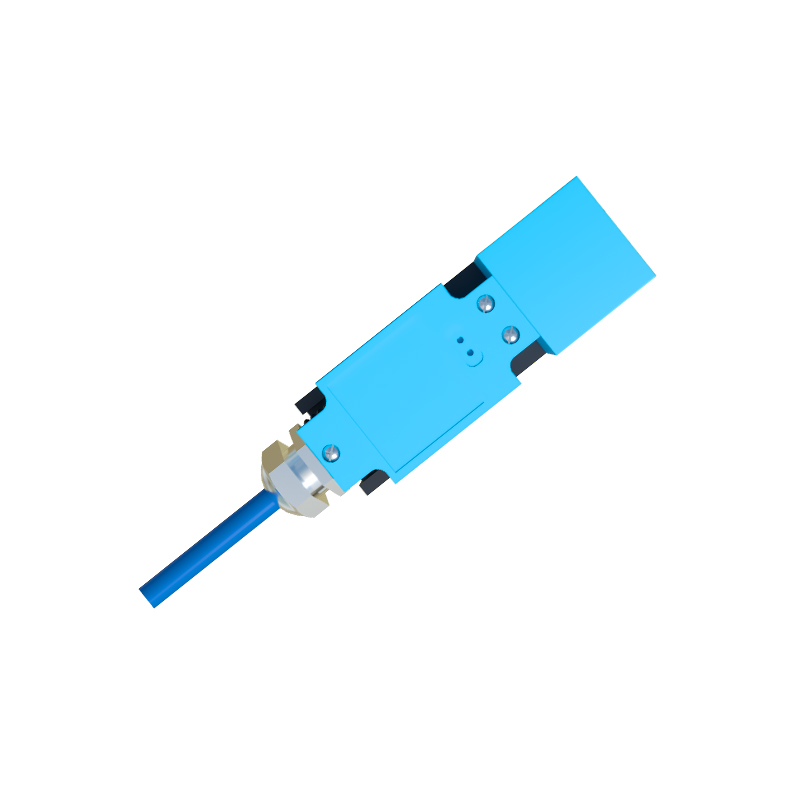
Inductive proximity sensors offer numerous benefits that enhance industrial efficiency. Their non-contact nature eliminates mechanical friction, reducing maintenance costs and downtime. They provide fast response times—often in microseconds—enabling high-speed operations in assembly lines or robotics. Durability is another hallmark; housed in robust materials like nickel-plated brass or stainless steel, they resist moisture, chemicals, and physical impacts. Unlike optical sensors, they are unaffected by ambient light, dirt, or opaque fluids, making them ideal for dirty or oily conditions. Additionally, they exhibit high repeat accuracy, consistently detecting targets with precision, which is critical for quality control. Energy-efficient designs and compatibility with programmable logic controllers (PLCs) further streamline automation processes, supporting Industry 4.0 initiatives.
Common Applications and Use Cases
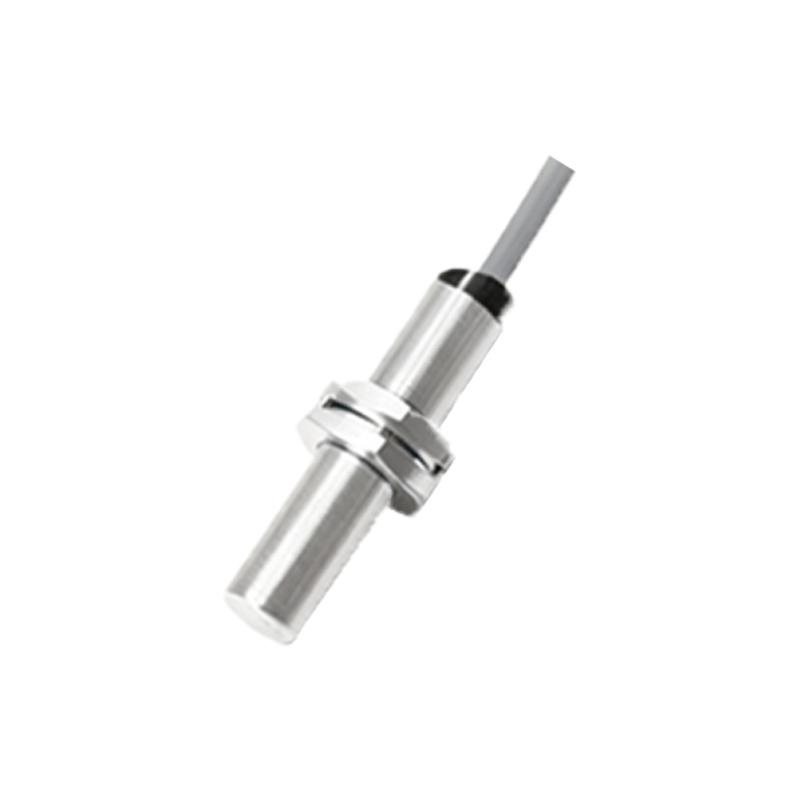
In practice, inductive proximity sensors serve diverse roles across sectors. In automotive manufacturing, they monitor part presence on conveyor belts or verify piston positions in engines. Packaging machinery uses them to count products or detect fill levels in metal containers. Within CNC machines, they ensure tool positioning and limit switching. They also facilitate safety functions, such as detecting door closures in elevators or guarding hazardous zones. Recent innovations include analog output sensors for distance measurement and IO-Link versions for smart factory connectivity, allowing real-time data exchange on parameters like temperature or wear. These applications underscore their versatility, from simple presence detection to complex diagnostic systems.
Selection Criteria and Installation Tips
Choosing the right inductive proximity sensor requires considering several factors. First, determine the target material—ferrous metals like iron yield longer sensing ranges than non-ferrous ones. The sensing distance should exceed the maximum expected gap to avoid false triggers. Environmental conditions matter: for high-temperature areas, select models rated for extended thermal ranges. Output type (e.g., NPN, PNP, or analog) must match the control system's input requirements. During installation, ensure proper alignment with the target and avoid mounting near other electromagnetic sources to prevent interference. Regular testing with actual targets under operating conditions helps verify performance. Adhering to manufacturer guidelines on voltage supply and wiring minimizes errors, ensuring reliable integration into automation networks.
Future Trends and Innovations
The evolution of inductive proximity sensors aligns with smart manufacturing trends. Miniaturization is progressing, enabling integration into compact devices without sacrificing range. Enhanced connectivity via IO-Link or Ethernet/IP allows sensors to transmit diagnostic data, predictive maintenance alerts, and calibration updates, reducing unplanned outages. Energy-harvesting designs are emerging, powering sensors from ambient sources. Furthermore, improved materials and algorithms are boosting sensitivity to diverse metals, even through non-metallic barriers. As industries adopt more automated and IoT-driven systems, these sensors will continue to evolve, offering greater intelligence and adaptability for tomorrow's challenges.