Introduction to Proximity Sensing Technology
Proximity switches, a cornerstone of industrial automation, provide non-contact detection of objects. Unlike mechanical limit switches, they operate without physical contact, offering superior reliability, speed, and longevity. Datasensor, a prominent name in the field, specializes in manufacturing a wide array of these critical components. Their product line encompasses inductive, capacitive, and magnetic sensing technologies, each tailored for specific materials and environmental conditions. The fundamental principle involves generating an electromagnetic field or using magnetic principles; the presence of a target object within this field causes a detectable change, triggering the switch's output signal. This technology is indispensable for tasks like position verification, counting, and end-of-travel detection in countless automated systems.
Core Technologies: Inductive, Capacitive, and Magnetic
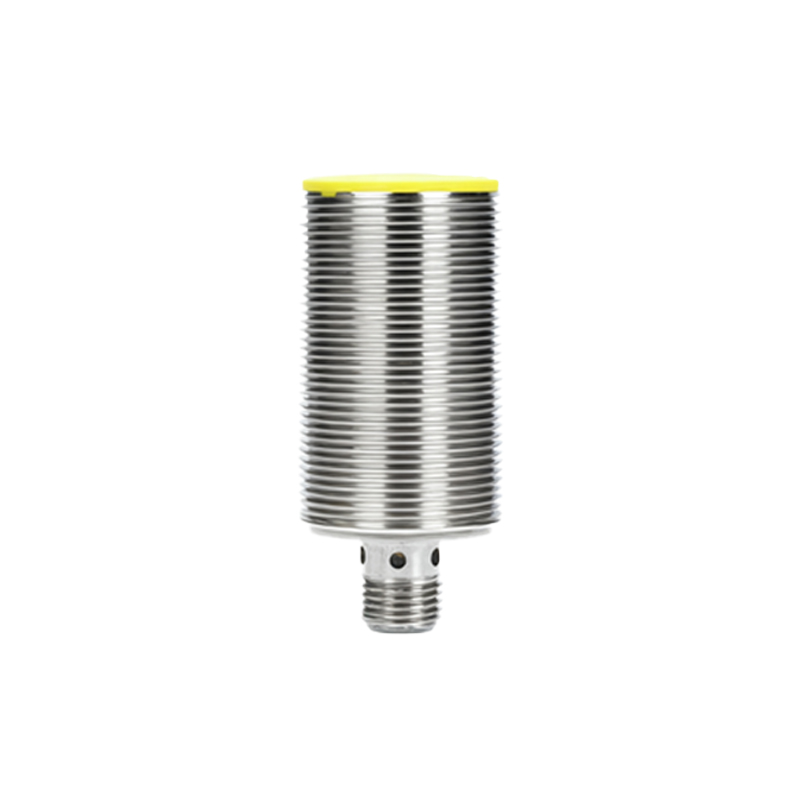
Datasensor's portfolio is built on three primary sensing technologies. Inductive proximity sensors are the most common, designed to detect metallic objects, primarily ferrous metals like iron and steel. They generate an oscillating electromagnetic field. When a metal target enters this field, it induces eddy currents, causing a change in oscillation amplitude that is detected by the sensor's circuitry. Capacitive proximity sensors, on the other hand, can detect both metallic and non-metallic materials such as plastics, wood, liquids, and granules. They function by measuring changes in capacitance between the sensor's active surface and the ground. The introduction of any material with a different dielectric constant alters this capacitance, triggering detection. Magnetic proximity switches, often referred to as reed switches or sensors, are specifically designed to detect permanent magnets. They are highly reliable in harsh environments with dirt, dust, or vapors, making them ideal for hydraulic cylinder position sensing.
Key Selection Criteria for Engineers
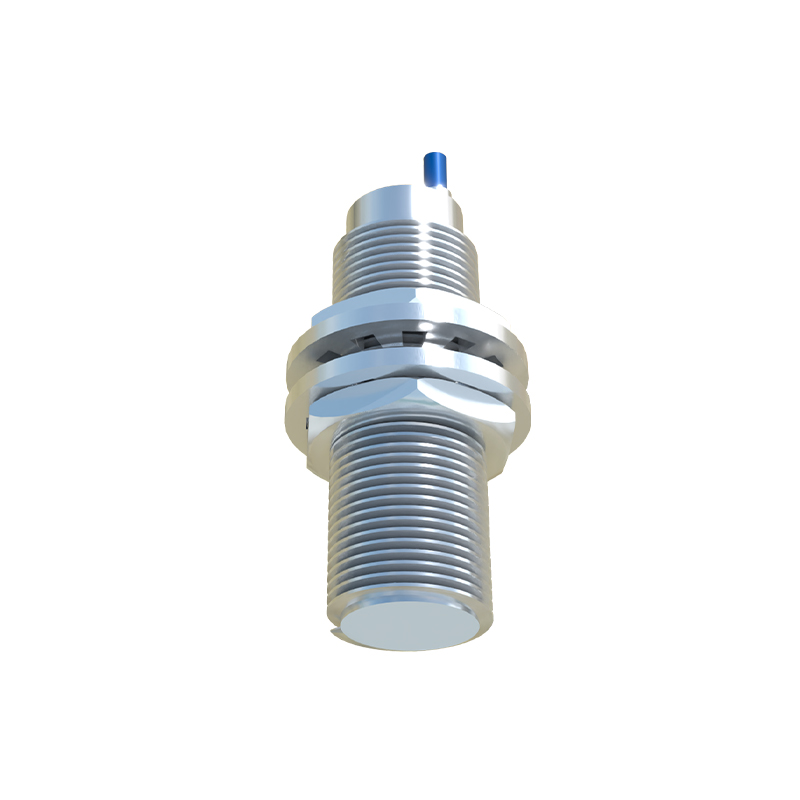
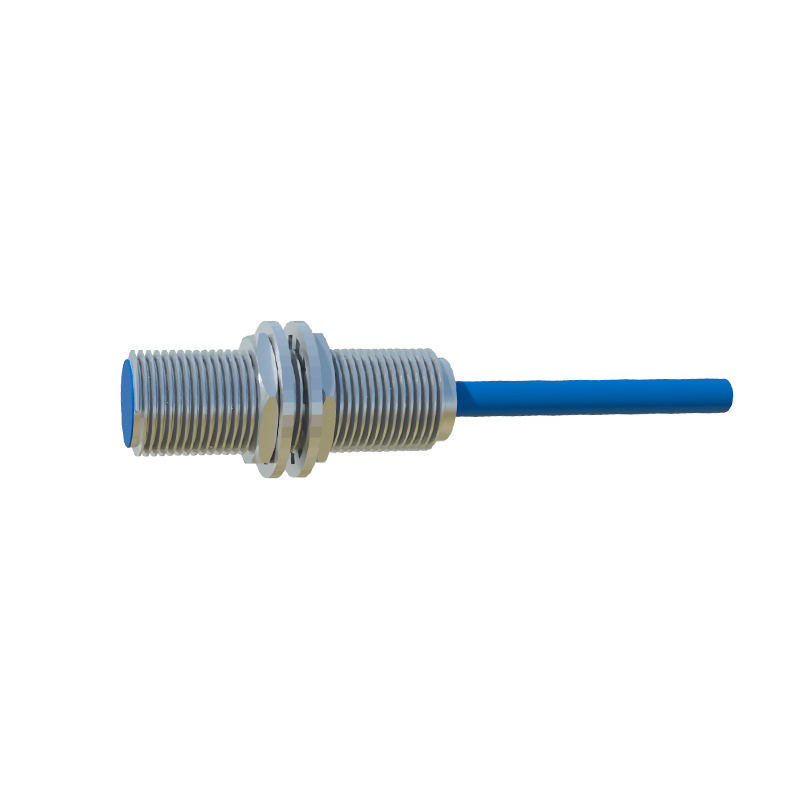
Selecting the correct Datasensor proximity switch requires careful analysis of several parameters. First, the sensing distance, or nominal range, must be specified. It is crucial to note that the effective sensing distance can vary based on the target material's properties, size, and shape. Second, the output type is critical: PNP (sourcing) or NPN (sinking) transistor outputs, as well as analog (4-20mA, 0-10V) or IO-Link digital communication outputs for smart sensors. The housing material and design, such as cylindrical M8, M12, M18, M30 barrels or rectangular formats, must suit the mechanical and environmental constraints, including IP (Ingress Protection) ratings for dust and water resistance. Other vital factors include switching frequency, temperature range, electrical connection style (pre-wired cable or connector), and compliance with industry standards like IEC 60947-5-2.
Advanced Features and Smart Sensor Capabilities
Modern Datasensor switches incorporate advanced features that enhance functionality and simplify integration. Many models offer teach-in functionality, allowing for easy adjustment of the sensing threshold directly on the device. Temperature compensation ensures stable performance across a wide operating range. Short-circuit and overload protection safeguards both the sensor and the control system. Furthermore, the advent of Industry 4.0 has propelled the development of intelligent sensors with IO-Link capability. These devices go beyond simple on/off signals, providing detailed diagnostic data, parameterization via the control system, and condition monitoring information, enabling predictive maintenance strategies and reducing machine downtime.
Typical Industrial Applications and Use Cases
The applications for Datasensor proximity switches are virtually limitless across manufacturing and process industries. In automotive assembly lines, they verify the presence of components, control robot movements, and monitor conveyor positions. In packaging machinery, they detect product levels, count items, and ensure proper filling. In metalworking, they are used for tool breakage detection, part positioning on CNC machines, and monitoring spindle orientation. Magnetic sensors are extensively deployed in mobile hydraulics for cylinder position feedback. Their robustness also makes them suitable for harsh environments like food and beverage processing (often with stainless steel housings) and outdoor applications.
Installation Best Practices and Troubleshooting
Proper installation is paramount for optimal performance and longevity. Engineers must consider mounting considerations, such as ensuring adequate clearance from surrounding metal (to prevent flanking interference) and correct alignment with the target. The sensor should be mounted securely to avoid vibration-induced failures. Electrical wiring must follow the specified diagram, paying close attention to polarity for DC models and ensuring proper grounding. Common issues include failure to detect targets, which may stem from an incorrect sensor type for the material, insufficient sensing distance, or electrical noise interference. Intermittent operation can often be traced to loose connections, voltage fluctuations, or environmental factors like extreme temperatures or buildup of contaminants on the sensing face.