Understanding Proximity and Light Sensing Technologies
In the realm of industrial automation, consumer electronics, and automotive systems, proximity and light sensors have become indispensable components. A proximity sensor detects the presence or absence of an object within a specific range without physical contact, typically using electromagnetic fields, infrared light, or capacitive sensing. Light sensors, including ambient light sensors (ALS) and color sensors, measure the intensity, color, or spectral composition of light in their environment. The convergence of these technologies enables sophisticated features like automatic display brightness adjustment, touchless interfaces, and object detection. For electrical engineers, selecting the right supplier hinges on a deep understanding of these underlying principles—inductive, capacitive, photoelectric, and optical—and their respective applications in challenging environments.
Key Selection Criteria for Sensor Suppliers
Choosing a reliable supplier extends beyond basic component specifications. Engineers must evaluate several critical factors. First, technical performance parameters such as sensing distance, response time, accuracy, and power consumption are paramount. The supplier's ability to provide comprehensive datasheets with detailed characterization graphs is a mark of quality. Second, environmental robustness is crucial; sensors must perform consistently across temperature extremes, under varying humidity levels, and in the presence of contaminants or electromagnetic interference. Third, consider the supplier's support ecosystem. This includes the availability of evaluation kits, reference designs, simulation models, and detailed application notes. A supplier with strong technical support can significantly accelerate design integration and troubleshooting.
Leading Global Suppliers and Their Specializations
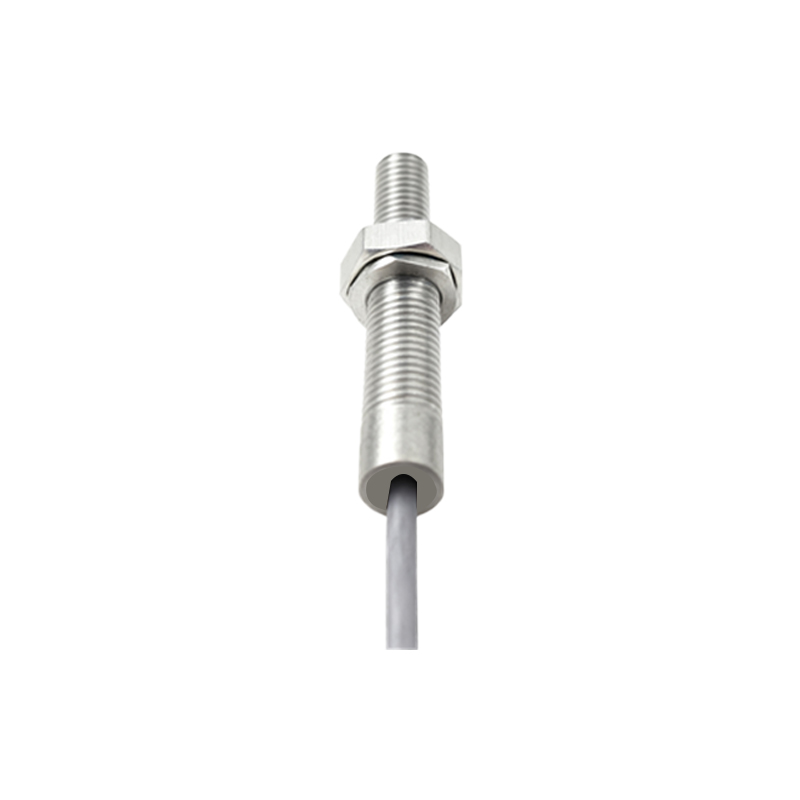
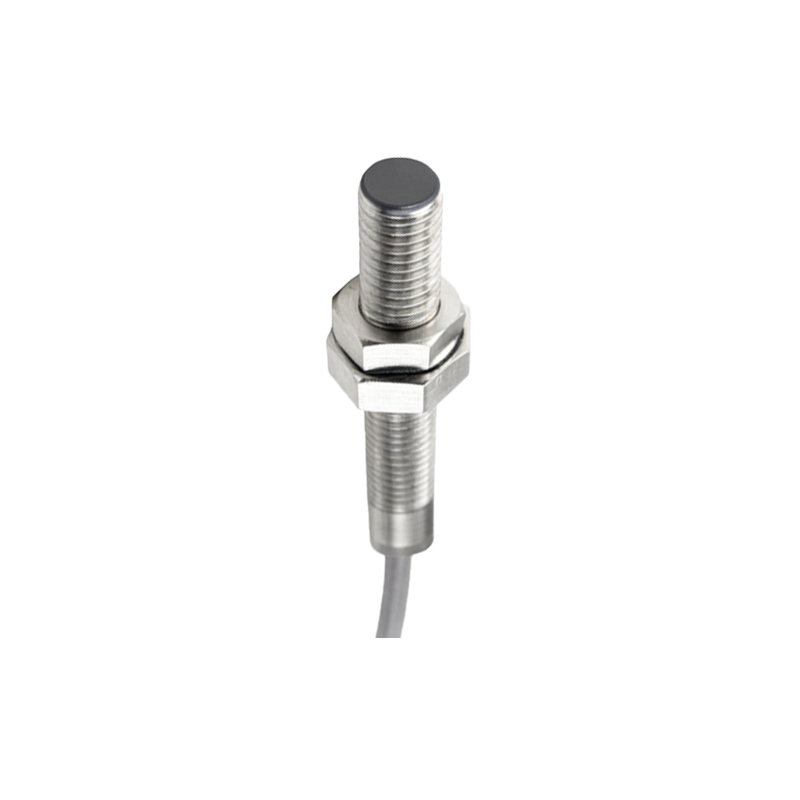
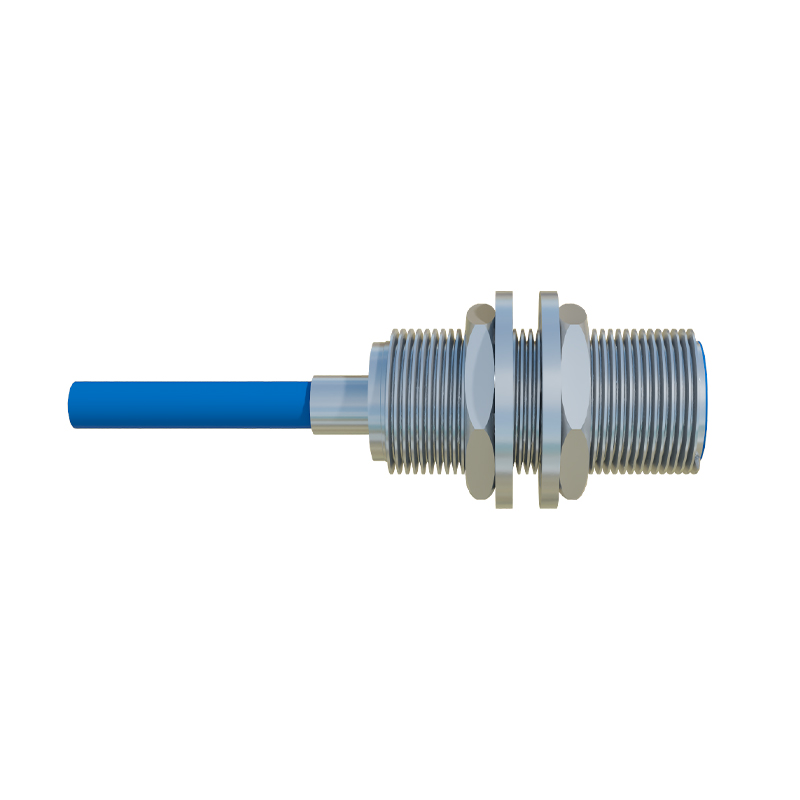
The market for proximity and light sensors is served by a mix of large semiconductor conglomerates and specialized sensor firms. Companies like Texas Instruments and STMicroelectronics offer broad portfolios that include integrated analog front-ends and sensor hubs for processing light and proximity data. ams OSRAM is a powerhouse in optical solutions, renowned for its high-performance ambient light, proximity, and spectral sensors found in premium smartphones and automotive cabins. Vishay Intertechnology provides a wide array of photodetectors and infrared emitters critical for building photoelectric sensing systems. For specialized industrial applications, suppliers like Banner Engineering and Sick AG are leaders in robust, self-contained photoelectric and inductive proximity sensors designed for factory automation. Each supplier brings distinct strengths, making some better suited for high-volume consumer applications and others for precision industrial tasks.
Integration Challenges and Design Considerations
Successfully integrating these sensors into a final product presents common challenges that suppliers can help mitigate. Optical crosstalk, where the sensor's own IR LED light reflects internally and causes false proximity readings, is a major issue in compact devices. Leading suppliers address this with mechanical design guidelines and sensors featuring built-in calibration. Power management is another critical area, especially for battery-powered devices. Engineers should seek suppliers offering sensors with programmable duty cycles and ultra-low power sleep modes. Furthermore, the interface—whether digital (I2C, SPI) or analog—must align with the system's microcontroller capabilities. The physical layout, including aperture design and masking, profoundly affects performance, making the supplier's application engineering support invaluable during the PCB and enclosure design phases.
The Role of Software and Calibration
Modern sensors are not merely hardware components; their performance is heavily dependent on software drivers, algorithms, and calibration. A superior supplier provides mature software libraries that handle sensor initialization, data polling, and basic filtering. For complex functions like gesture recognition or true color detection, advanced algorithms are essential. Calibration, often an overlooked step, is critical for achieving specified accuracy and consistency across mass production. Some suppliers offer factory-calibrated units, while others provide tools and protocols for in-line end-product calibration. The trend towards sensor fusion, combining data from proximity, light, and other sensors like accelerometers, further elevates the importance of software support. Engineers must assess the completeness and quality of the supplier's software offering as rigorously as the hardware.
Future Trends and Supply Chain Dynamics
The sensor landscape is evolving rapidly, influenced by trends in IoT, automotive ADAS, and smart buildings. Future sensors will demand higher integration, lower power, and greater intelligence at the edge. Suppliers are developing multi-channel spectral sensors for material analysis and miniaturized LiDAR modules for short-range 3D sensing. Concurrently, supply chain resilience has become a top priority. The recent global chip shortages highlighted the risks of single-source dependencies. A prudent strategy involves evaluating suppliers not only on technology but also on manufacturing footprint, inventory management, and long-term roadmap stability. Engaging with suppliers that have multiple fabrication partners or offer pin-to-pin compatible alternatives can de-risk production schedules.
Making the Final Supplier Decision
The final selection is a strategic balance of technical merit, cost, and reliability. Begin by creating a shortlist based on core performance matching