Introduction to Square Proximity Sensor W23
The Square Proximity Sensor W23 represents a significant advancement in non-contact sensing technology, designed specifically for demanding industrial environments. Characterized by its robust square housing, this sensor offers superior durability and ease of installation compared to traditional cylindrical models. Its compact design allows for mounting in tight spaces where other sensors might not fit, providing engineers with greater flexibility in machine design and automation layout. The W23 series is engineered to detect the presence or absence of metallic objects without physical contact, thereby eliminating mechanical wear and ensuring long-term reliability. This makes it an indispensable component in modern manufacturing, packaging, and material handling systems where precision and uptime are critical.
Key Technical Specifications and Operating Principles
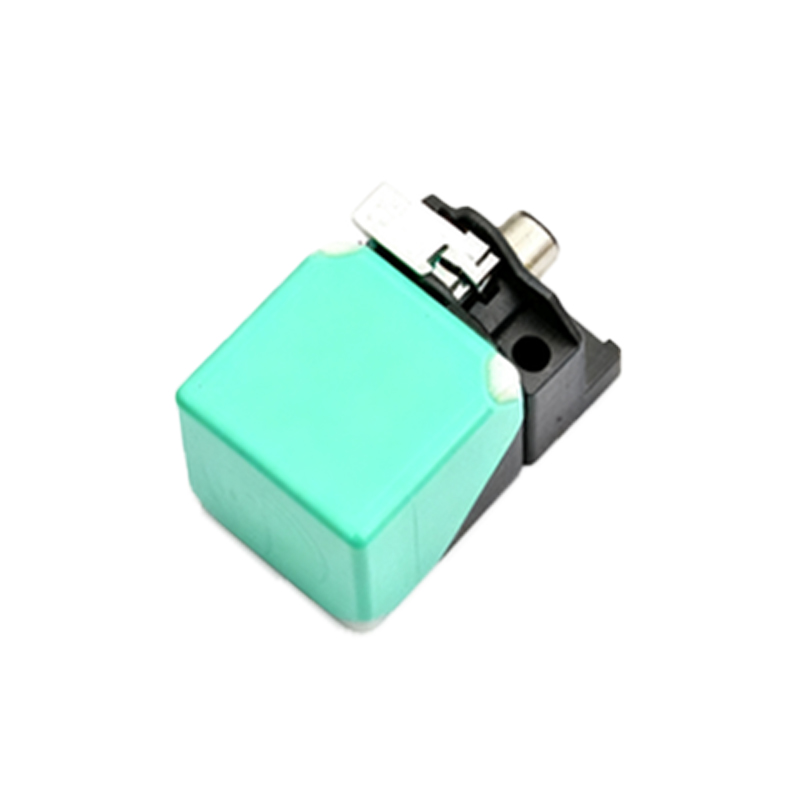
Operating primarily on the inductive sensing principle, the Square Proximity Sensor W23 generates an electromagnetic field from its sensing face. When a ferrous or non-ferrous metal target enters this field, it causes a change in the oscillation amplitude, which is detected by the sensor's internal circuitry. This triggers a solid-state switching output. Key specifications typically include a sensing range from 2mm to 15mm, depending on the specific model, with factors like target material and size influencing the effective range. It commonly features a DC two-wire or three-wire configuration, with output types including NPN (sinking) and PNP (sourcing) to interface seamlessly with various PLCs and controllers. The housing is usually constructed from nickel-plated brass or stainless steel, offering high resistance to oils, coolants, and mechanical impacts.
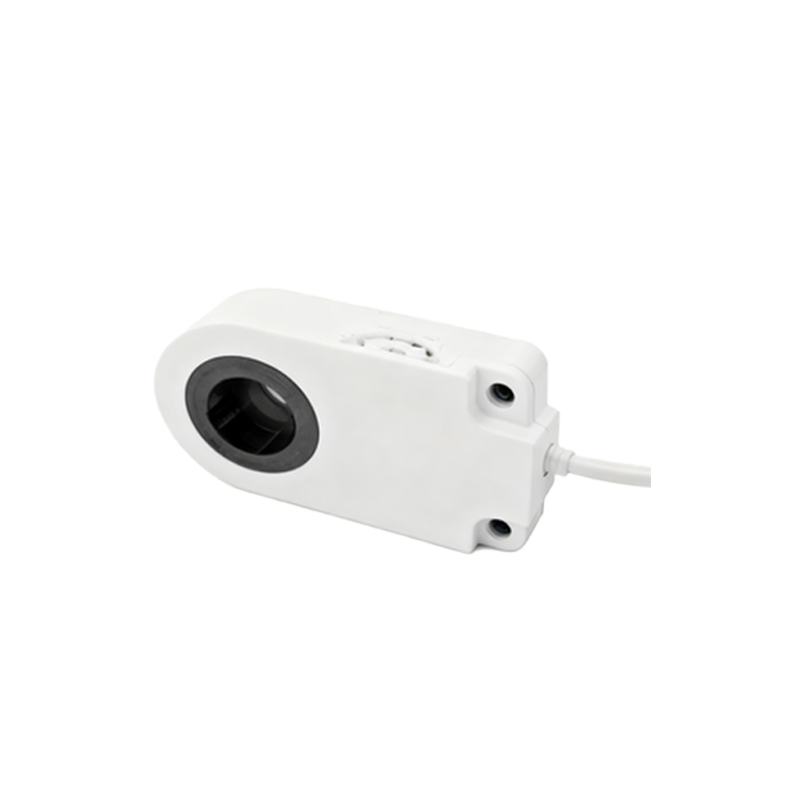
Advantages of the Square Housing Design
The distinctive square form factor of the W23 sensor provides several practical advantages. Firstly, it prevents rotation in the mounting bracket, ensuring that the sensing face remains perfectly aligned after installation—a common issue with cylindrical sensors that can loosen and twist over time. The flat surfaces facilitate easier and more secure mounting using standard brackets or directly into machined slots. This design also allows for clear, multi-side labeling, improving identification and maintenance in complex control panels. Furthermore, the square shape often provides more internal space for electronic components, potentially enabling enhanced features like advanced diagnostics, IO-Link communication, or wider operating voltage ranges without increasing the overall footprint.
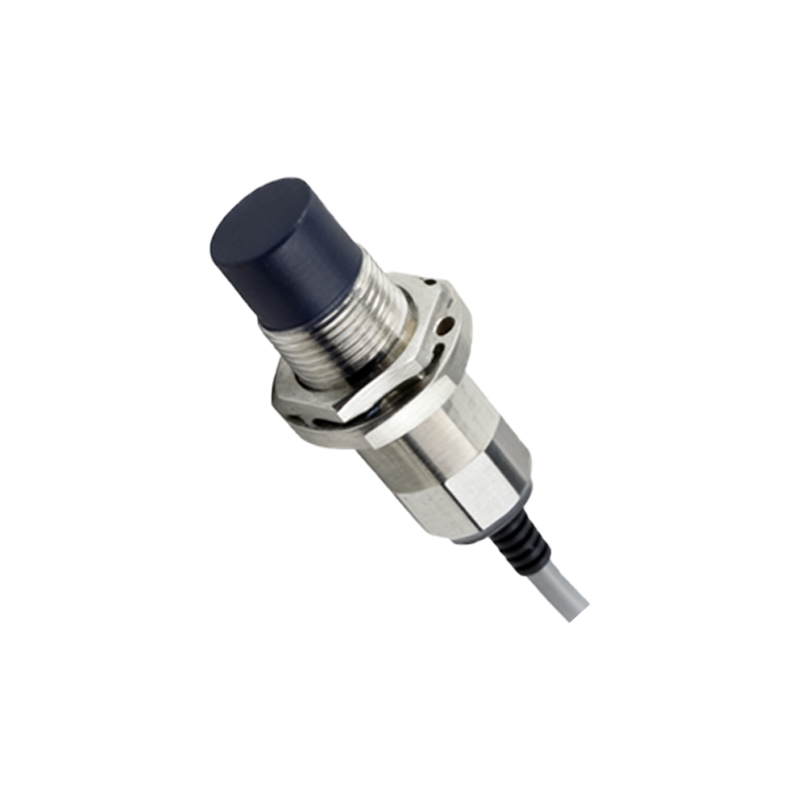
Typical Application Scenarios in Automation
The versatility of the Square Proximity Sensor W23 makes it suitable for a vast array of applications. In automotive assembly lines, it is used for precise position detection of robotic arms, part presence verification on pallets, and end-of-stroke detection on actuators. Within packaging machinery, it monitors the position of cams, counts products on conveyors, and ensures proper fill levels. In metalworking and CNC machinery, these sensors provide critical feedback for tool positioning, workpiece clamping confirmation, and safety door monitoring. Their robust construction allows them to perform reliably in harsh conditions involving metal chips, dust, and high-pressure washdowns, common in food and beverage or pharmaceutical industries.
Installation Guidelines and Environmental Considerations
Proper installation is crucial for optimal performance. It is essential to maintain the recommended lateral and axial spacing between multiple sensors to prevent mutual interference, which can cause erratic switching. The sensor should be mounted securely to minimize vibration, and the sensing face must be kept free of debris, adhesives, or buildup that could attenuate the electromagnetic field. Designers must consider the surrounding environment: while the W23 is built to withstand typical industrial contaminants, extremely aggressive chemicals or continuous high temperatures may require selecting a model with specific IP (Ingress Protection) and temperature ratings. Always ensure the electrical characteristics, such as voltage supply and load current, match the system requirements to avoid damage.
Troubleshooting Common Issues
Even with a reliable sensor like the W23, occasional issues may arise. Failure to detect a target can often be traced to an insufficient sensing distance, incorrect target material (e.g., trying to detect aluminum with a standard ferrous-only sensor), or a misaligned target path. Erratic switching might indicate electrical noise interference, which can be mitigated by using shielded cables, keeping signal wires away from power lines, and ensuring proper grounding. If a sensor fails completely, verify the power supply and wiring connections first. Many modern W23 models include an LED status indicator, which provides immediate visual feedback on power and switching state, greatly simplifying the diagnostic process during routine maintenance or system commissioning.
Future Trends and Integration with Industry 4.0
The evolution of proximity sensors like the W23 is closely tied to the rise of smart factories. The next generation is increasingly incorporating digital communication protocols such as IO-Link. This transforms the simple binary switch into an intelligent device capable of reporting parameters like operating