Introduction to Proximity Sensing Technology
Proximity sensors are non-contact electronic devices designed to detect the presence or absence of an object within a specified range without any physical contact. These sensors have become indispensable in modern industrial automation, robotics, and safety systems due to their reliability, long operational life, and ability to function in harsh environments. The fundamental principle involves generating an electromagnetic field or a beam of radiation and detecting changes in the field or return signal caused by a target object. The absence of mechanical contact eliminates issues like wear and tear, significantly enhancing durability and maintenance cycles. This technology enables precise control and monitoring in applications ranging from assembly line counting and machine tool positioning to anti-collision systems and liquid level detection.
Inductive Proximity Sensors
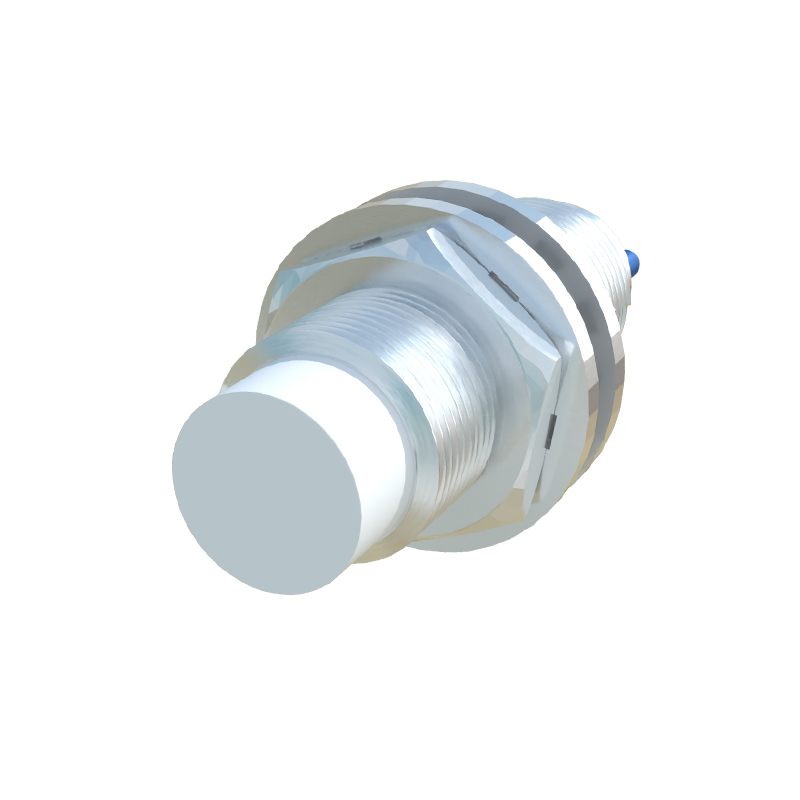
Inductive proximity sensors are specifically engineered to detect metallic objects, primarily ferrous metals like steel and iron, though some models can also sense non-ferrous metals like aluminum, copper, and brass with reduced sensing range. Their operation is based on the principle of electromagnetic induction. The sensor's oscillator circuit generates a high-frequency alternating magnetic field at its active face. When a conductive metal object enters this field, eddy currents are induced on the object's surface. These eddy currents draw energy from the oscillator, resulting in a reduction of oscillation amplitude. This change is detected by the sensor's threshold circuit, which subsequently triggers a solid-state output switch. Key characteristics include a relatively short sensing range, typically from a few millimeters up to about 60 millimeters, high switching frequency, and exceptional resistance to environmental factors like dust, oil, and moisture. They are predominantly used in metal detection applications such as part positioning on CNC machines, limit switching, and gear tooth sensing.
Capacitive Proximity Sensors
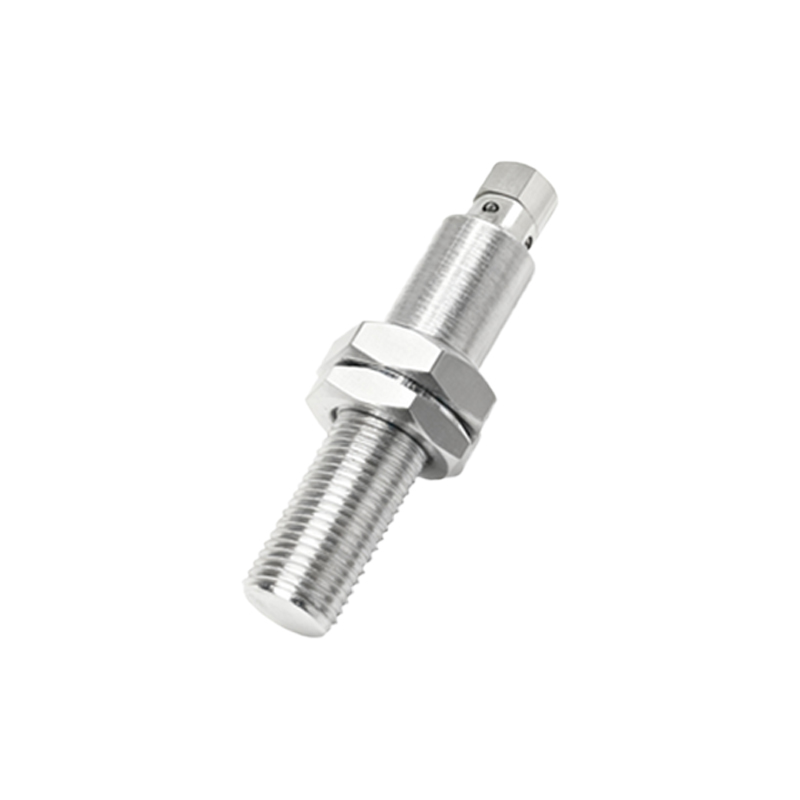
Capacitive proximity sensors possess the unique ability to detect a wide variety of materials, including metals, plastics, glass, wood, and liquids. Their operation hinges on the principle of capacitance change. The sensor forms one plate of a capacitor, with the target object acting as the other plate. The sensor's oscillator circuit is tuned so that it only oscillates when a target is present. When an object enters the electrostatic field generated by the sensor, it alters the dielectric constant and thus the capacitance of the system. This change in capacitance increases the oscillation amplitude, which is then evaluated by the subsequent circuitry to trigger an output. These sensors often feature sensitivity adjustment potentiometers, allowing users to fine-tune the detection threshold to ignore certain materials (like a container) and sense the material inside (like a liquid or powder). Common applications include liquid level control, bulk material detection in hoppers, and detection of non-metallic objects on conveyor belts.
Ultrasonic Proximity Sensors
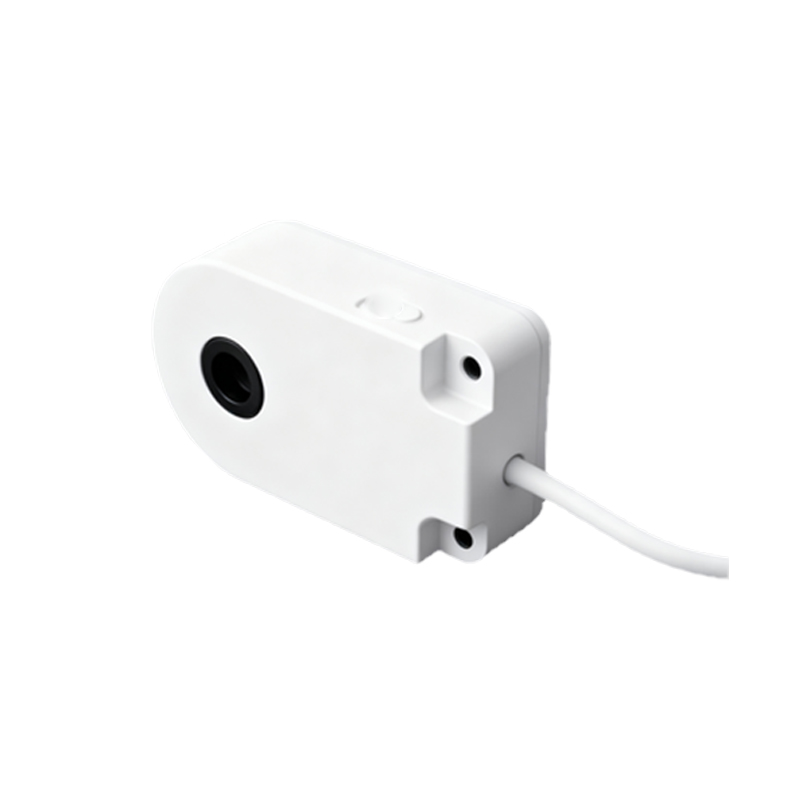
Ultrasonic proximity sensors operate by emitting high-frequency sound waves (typically beyond 20 kHz) and evaluating the reflected echo. They measure the time interval between sending the signal and receiving the echo to calculate the distance to the target object. This time-of-flight principle allows them to detect objects regardless of material, color, or transparency, making them highly versatile. They are categorized into two main types: diffuse (proximity) mode and retro-reflective mode. Diffuse mode sensors use the target object itself to reflect the sound wave back to the receiver housed in the same unit. Retro-reflective models require a separate reflector; they detect an object when it interrupts the sound path between the sensor and the reflector. These sensors offer longer sensing ranges, from centimeters to several meters, and are excellent for applications involving clear objects, liquid level sensing over long distances, and uneven surface detection. However, they can be affected by temperature variations, air turbulence, and soft materials that absorb sound.
Photoelectric Proximity Sensors
Photoelectric sensors use light beams to detect objects. They consist of a light emitter (usually an LED producing visible red, infrared, or laser light) and a photoreceiver. For proximity-style operation, the diffuse (or reflective) mode is most common. In this setup, the emitter and receiver are housed in a single unit. The sensor detects an object when the light beam is reflected off the target's surface and back to the receiver. The detection is influenced by the color, reflectivity, and size of the target. Bright, reflective objects can be detected at longer ranges than dark, absorbent ones. Some advanced models feature background suppression or fixed-field teaching to ignore objects beyond a certain distance. Photoelectric sensors provide very fast response times and moderate to long sensing ranges. They are ideal for detecting small objects, transparent materials (with specialized models), and for applications requiring precise positioning, such as in packaging machinery and electronic assembly lines.