Introduction to Proximity Sensor Scaling
The industrial automation landscape is increasingly reliant on proximity sensors for tasks ranging from object detection to position monitoring. When deployment scales to hundreds or thousands of units, the cost analysis shifts from individual component price to total cost of ownership. This includes not only the initial procurement expense but also factors like installation, calibration, maintenance, and compatibility with existing control systems. Large-scale projects in automotive manufacturing, packaging lines, and material handling demand a strategic approach to sensor selection, where a minor price difference per unit can translate into significant budgetary impacts over the entire project lifecycle.
Key Price Determinants and Technology Types
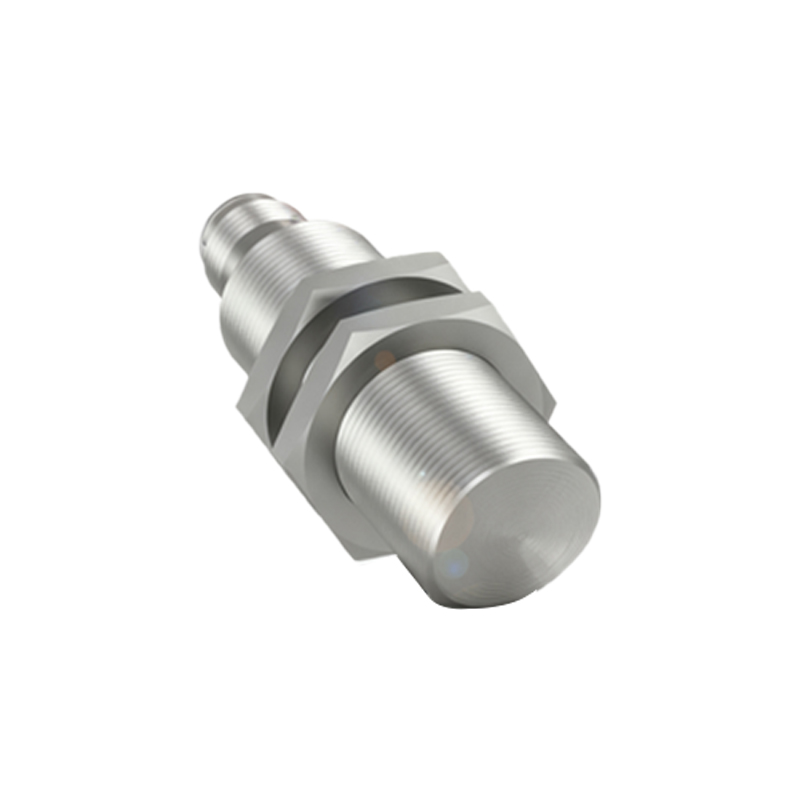
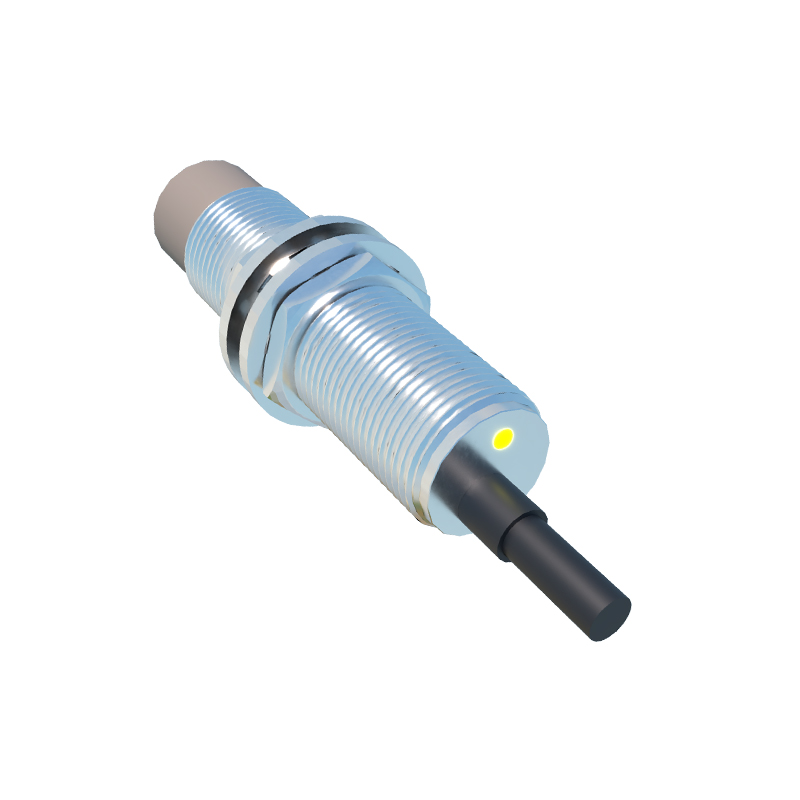
Proximity sensor pricing is primarily influenced by technology, sensing range, housing material, and output configuration. Inductive sensors, used for detecting metallic objects, are generally the most cost-effective for large volumes, with prices varying based on shielding (shielded vs. unshielded) and switching frequency. Capacitive sensors, suitable for non-metallic materials, often carry a 20-30% premium. Ultrasonic and photoelectric sensors, offering longer ranges, sit at a higher price point. For large-scale orders, manufacturers typically offer volume discounts, but the base price is dictated by the sensor's ingress protection (IP) rating, temperature tolerance, and whether it features analog or discrete outputs. Industry-standard M8, M12, and M18 threaded cylindrical housings are most common, with square or rectangular formats sometimes commanding higher prices due to specialized manufacturing.
Comparative Market Analysis: Leading Brands and Economical Alternatives
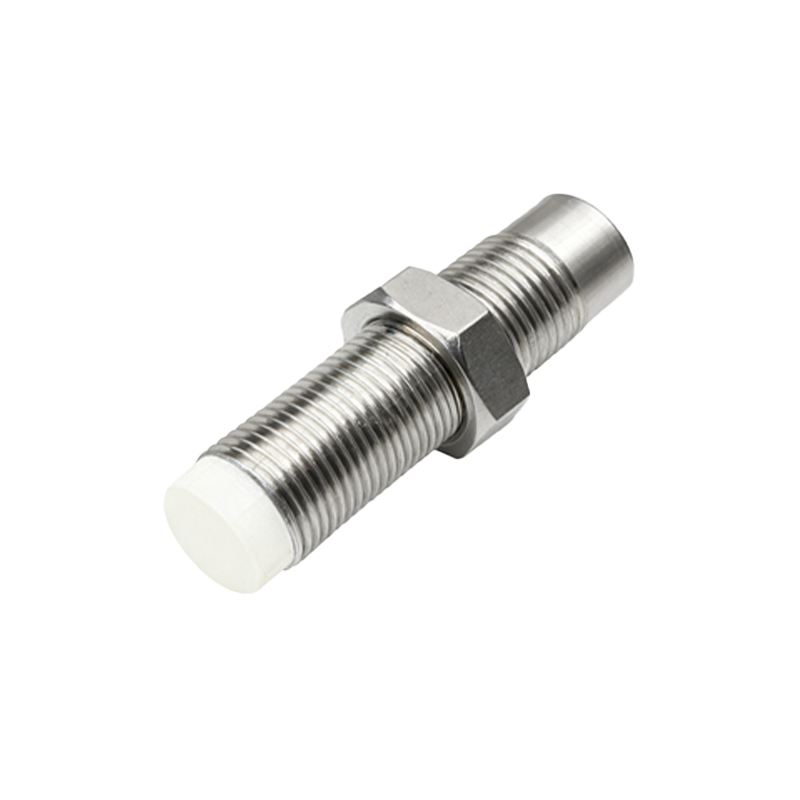
A detailed price survey reveals distinct tiers in the market. Established European and Japanese brands like Siemens, Omron, and Pepperl+Fuchs offer high-reliability sensors with advanced diagnostics and robust communication protocols (e.g., IO-Link). Their prices for a standard inductive sensor can range from $50 to $150 per unit in bulk, justified by extended warranties and proven performance in harsh environments. In contrast, competitive alternatives from Taiwanese, Korean, and increasingly Chinese manufacturers provide functionally similar units at 40-60% lower cost, typically between $20 and $60. However, this cost saving may come with trade-offs in consistency, longevity, or technical support. For ultra-large-scale deployments, some end-users adopt a dual-vendor strategy, using premium sensors for critical applications and economical ones for less demanding positions.
Total Cost of Ownership Beyond Unit Price
The initial purchase price is merely one component of the financial equation. Installation costs, including wiring, mounting hardware, and labor, can equal or exceed the sensor cost itself. Sensors with quick-disconnect connectors or pre-wired cables reduce installation time. Maintenance and mean time between failure (MTBF) are critical; a cheaper sensor with a higher failure rate leads to costly production downtime and replacement labor. Furthermore, sensors with smart features like self-monitoring or parameter programmability can reduce troubleshooting time and enable predictive maintenance, offering long-term savings that offset a higher upfront investment. Compatibility with existing PLCs and networks is essential to avoid additional interface module expenses.
Procurement Strategies for Volume Purchasing
Successful large-scale procurement involves a multi-phase strategy. Initially, a technical audit should define the exact requirements for sensing distance, target material, response speed, and environmental conditions to avoid over-specification. Requesting samples from multiple suppliers for real-world testing is crucial. Negotiations should focus on blanket orders or framework agreements with staggered deliveries to lock in pricing. Exploring OEM or white-label options from sensor manufacturers can yield further cost reductions of 15-25%. Additionally, consider the supplier's logistical capability, lead time consistency, and local stocking availability, as delays in sensor supply can stall entire production lines.
Future Price Trends and Technological Impact
The market for proximity sensors is experiencing downward price pressure due to manufacturing automation and economies of scale, particularly for standard models. However, the integration of advanced functionalities like IO-Link communication, which enables digital data exchange beyond simple switching, is adding value and supporting price points for premium segments. The growing adoption of Industry 4.0 and IIoT (Industrial Internet of Things) is driving demand for intelligent sensors, potentially widening the price gap between basic and smart units. In the long term, material cost fluctuations for semiconductors and metals remain a variable, but overall, the trend is toward more capable sensors at gradually decreasing real prices for standard specifications, making large-scale automation more accessible.