Introduction to Industrial Proximity Sensing
A standard proximity sensor factory is the backbone of modern industrial automation. These facilities are dedicated to the precise and high-volume manufacturing of non-contact detection devices that are critical for countless applications. From assembly lines and robotic arms to automotive manufacturing and packaging machinery, proximity sensors provide the essential "eyes" for machines, enabling them to detect the presence, absence, or position of an object without physical contact. The manufacturing of these components is a sophisticated process that blends advanced electronics, precision engineering, and rigorous quality control to produce reliable, durable, and accurate sensors that operate in demanding industrial environments.
Core Manufacturing Processes and Technologies
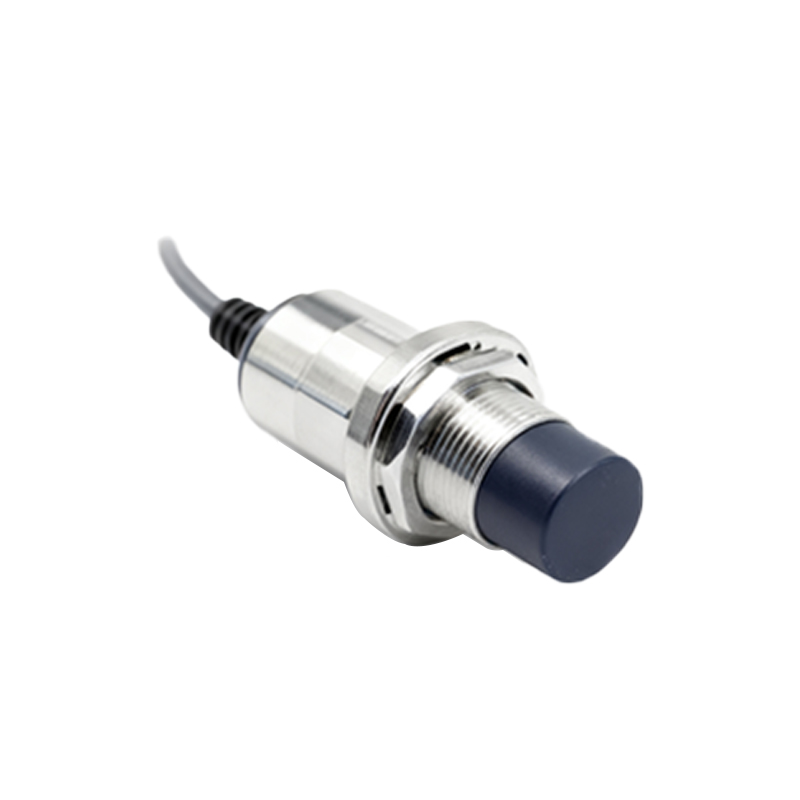
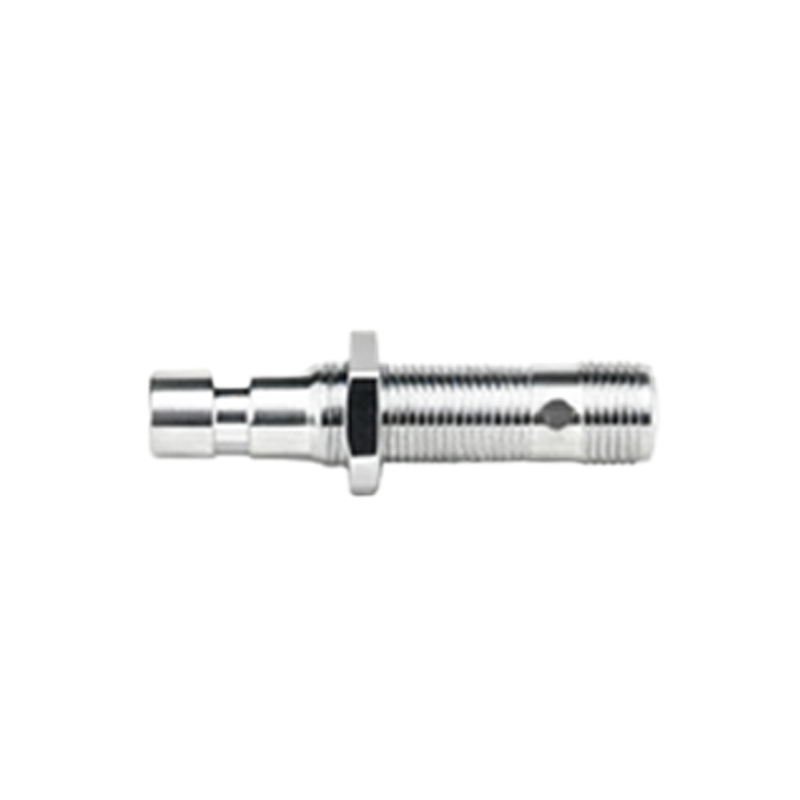
The production line in a standard proximity sensor factory is a marvel of specialized engineering. It begins with the fabrication of the sensor's core component: the oscillator coil and ferrite core for inductive sensors, or the infrared LED and phototransistor for optical types. These are assembled onto printed circuit boards (PCBs) using Surface Mount Technology (SMT) lines, ensuring miniaturization and consistent electrical performance. The housing, typically made from nickel-plated brass, stainless steel, or PBT plastic, is machined or molded to exacting tolerances. A critical step is the potting process, where the internal electronics are encapsulated in epoxy resin. This protects the components from vibration, moisture, chemicals, and electrical interference, guaranteeing the sensor's IP67 or IP69K ingress protection ratings. Laser marking is then used for permanent part identification.
Stringent Quality Assurance and Testing Protocols
Quality is not an afterthought; it is integrated into every stage of production. A reputable factory implements a comprehensive quality management system, often certified to ISO 9001 standards. Incoming materials are inspected, and in-process checks monitor assembly accuracy. The most critical phase is final testing. Every single sensor undergoes a battery of automated tests. This includes checking the switching point accuracy, repeatability, hysteresis, and temperature drift. Sensors are subjected to environmental stress tests, such as thermal cycling and humidity exposure, to simulate years of operation. Electrical tests verify insulation resistance and dielectric strength. Only units passing all parameters are approved for shipment, ensuring a near-zero defect rate for end-users.
Automation and Industry 4.0 Integration
Modern proximity sensor factories are increasingly smart factories. Robotics handle repetitive tasks like pick-and-place assembly and transferring units between stations. Automated Guided Vehicles (AGVs) move materials. The entire production flow is managed by Manufacturing Execution Systems (MES) that track each sensor's journey, recording its test data and production history—a complete digital twin. This level of automation, driven by Industry 4.0 principles, ensures consistent high output, reduces human error, allows for flexible production scheduling, and provides full traceability from raw material to finished product, which is crucial for automotive or aerospace clients.
Product Range and Customization Capabilities
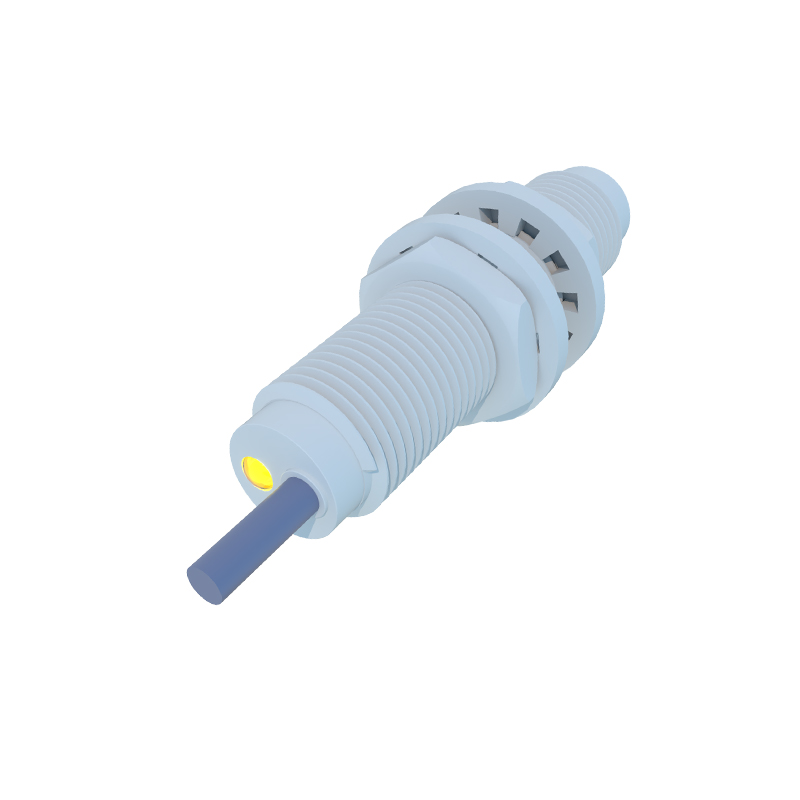
While "standard" implies catalog items, a leading factory offers an extensive portfolio. This includes inductive sensors (shielded and unshielded), capacitive sensors for non-metallic objects, and ultrasonic sensors. Key variations encompass different sensing ranges, output types (PNP/NPN, NO/NC, analog, IO-Link), housing shapes (cylindrical, rectangular, ring-shaped), and connection methods (cable or connector). Beyond catalog products, engineering teams work closely with OEMs to develop customized solutions. This can involve special housing dimensions, unique sensing ranges, integrated cabling, or application-specific firmware. This flexibility allows the factory to serve diverse sectors, from food and beverage to heavy machinery.
The Role of Research and Development
Continuous innovation is vital. The R&D department in a standard proximity sensor factory focuses on enhancing performance metrics: achieving longer sensing distances, improving immunity to electromagnetic interference (EMI), reducing sensor size, and developing new materials for harsher environments. A significant trend is the integration of smart sensor capabilities. Developing sensors with embedded IO-Link communication is a major focus, enabling the transmission of process data, condition monitoring, and parameter setting directly to the control system, paving the way for predictive maintenance and greater process transparency.
Global Supply Chain and Logistics
A robust and resilient supply chain is essential for uninterrupted production. The factory manages a global network of certified suppliers for semiconductors, metals, plastics, and connectors. Strategic inventory management, including safety stock for critical components, mitigates the risk of shortages. Once produced and tested, sensors are packaged according to customer and regional requirements, often in ESD-safe materials. Efficient logistics partnerships ensure reliable delivery to distribution centers and OEM plants worldwide, supporting just-in-time manufacturing models for global clients.