Introduction to Proximity Sensors
Proximity sensors are non-contact electronic devices designed to detect the presence or absence of objects within a specified range without physical contact. They operate based on various principles, including inductive, capacitive, ultrasonic, and optical technologies. These sensors are widely utilized across industrial and commercial sectors due to their reliability, durability, and ability to function in harsh environments. By emitting an electromagnetic field or beam, proximity sensors can identify metallic or non-metallic targets, making them versatile tools for automation and control systems. Their rapid response time and high precision contribute to enhanced operational efficiency and safety in numerous applications.
Industrial Automation and Robotics
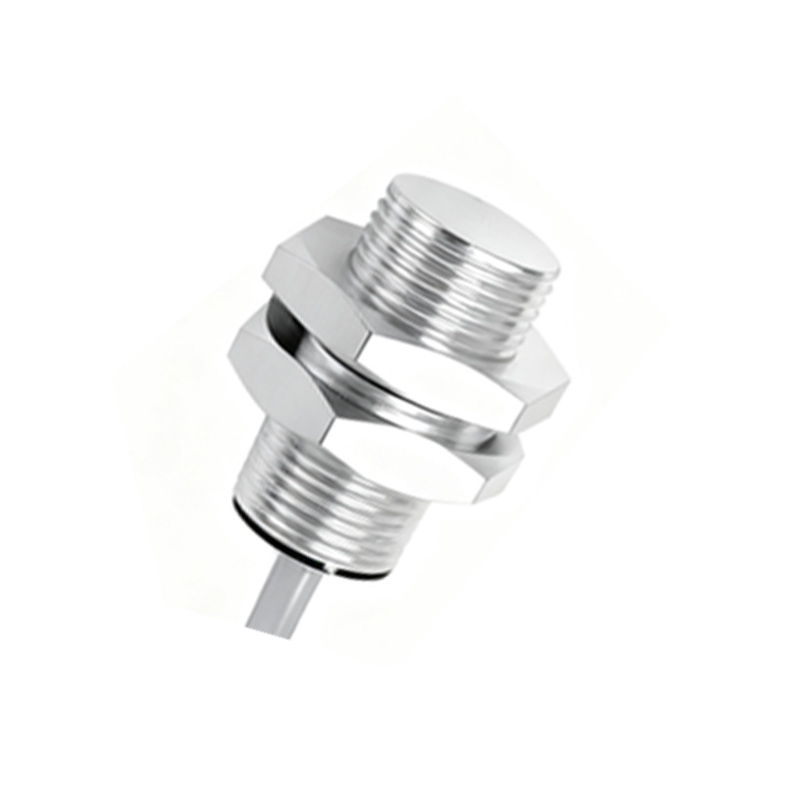
In industrial automation, proximity sensors play a critical role in streamlining manufacturing processes. They are commonly employed for object detection on conveyor belts, ensuring proper positioning and sorting of items. In robotic systems, these sensors enable precise movement control by detecting the proximity of robotic arms to workpieces or obstacles, preventing collisions and optimizing assembly lines. For instance, inductive proximity sensors are ideal for detecting metal components in automotive manufacturing, while capacitive sensors can handle non-metallic materials like plastics or liquids. This capability reduces downtime and improves productivity by facilitating seamless automation workflows.
Safety and Machine Guarding
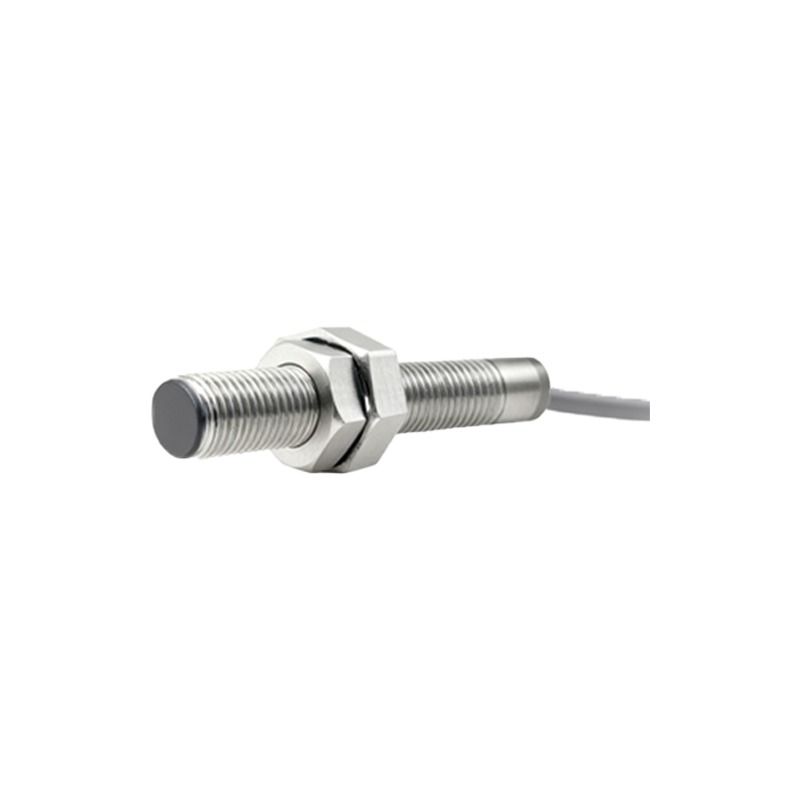
Safety is a paramount concern in industrial settings, and proximity sensors are integral to machine guarding systems. They are used to create safety zones around hazardous machinery, such as presses or cutting equipment. When an object or person enters a restricted area, the sensor triggers an immediate shutdown or alarm, preventing accidents and injuries. Ultrasonic proximity sensors, with their ability to detect a wide range of materials, are often applied in these scenarios for reliable monitoring. By enhancing workplace safety, these sensors help companies comply with regulatory standards and reduce liability risks associated with operational hazards.
Automotive and Transportation
The automotive industry relies heavily on proximity sensors for both manufacturing and vehicle functionality. During production, they assist in quality control by verifying part alignment and presence in assembly lines. In modern vehicles, proximity sensors are embedded in parking assistance systems, detecting obstacles and providing alerts to drivers to avoid collisions. Additionally, they are used in traffic management systems for vehicle detection at intersections or toll booths, improving traffic flow and reducing congestion. Their durability under extreme temperatures and vibrations makes them suitable for demanding transportation environments.
Consumer Electronics and Appliances
Proximity sensors have become ubiquitous in consumer electronics, enhancing user experience and device functionality. In smartphones, they detect when the device is held near the ear during a call, automatically turning off the display to save power and prevent accidental touches. Similarly, in home appliances like automatic faucets or soap dispensers, capacitive proximity sensors activate water flow or dispensing mechanisms when hands are detected, promoting hygiene and convenience. These applications demonstrate how proximity sensors contribute to energy efficiency and intuitive design in everyday products.
Packaging and Material Handling
In packaging and material handling industries, proximity sensors ensure efficient and accurate operations. They are used to count products on production lines, monitor fill levels in containers, and detect jams or misalignments in packaging machinery. For example, optical proximity sensors can identify transparent or colored objects on fast-moving conveyors, enabling high-speed sorting and packaging. By providing real-time feedback, these sensors minimize waste, optimize inventory management, and maintain consistent product quality, which is essential for meeting industry standards and customer expectations.
Future Trends and Innovations
The future of proximity sensors is shaped by advancements in technology, such as the integration of Internet of Things (IoT) and artificial intelligence (AI). Smart sensors with wireless connectivity can transmit data to central systems for predictive maintenance and process optimization. Innovations in miniaturization and energy efficiency are expanding their use in wearable devices and smart home systems. As industries continue to embrace automation and digital transformation, proximity sensors will evolve to offer higher accuracy, longer ranges, and enhanced adaptability, driving further improvements in safety, efficiency, and sustainability across various sectors.