Introduction to Proximity Sensor Standards
Proximity sensors are fundamental components in modern industrial automation, providing non-contact detection of objects. Their reliability and precision are underpinned by adherence to established international standards. These standards, set by organizations like the International Electrotechnical Commission (IEC) and the International Organization for Standardization (ISO), define key parameters such as housing dimensions, electrical characteristics, output types, and performance metrics. Compliance ensures interoperability, safety, and consistent performance across different manufacturers and applications, from automotive assembly lines to food processing plants.
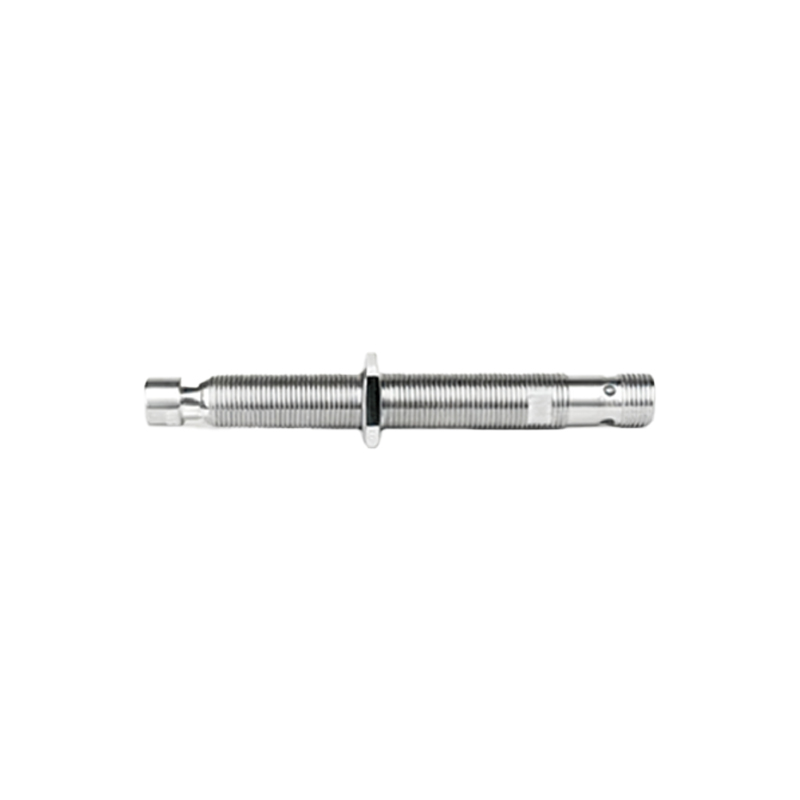
Inductive Proximity Sensor Models
Inductive sensors detect metallic objects and are among the most common types. Standard models are typically categorized by their housing shape and size. Cylindrical models, such as the M8, M12, M18, and M30, are industry staples, where the number denotes the threaded barrel diameter in millimeters. Each size offers different sensing ranges, with M12 sensors commonly providing a 2mm range and M30 sensors up to 15mm. Rectangular or block-style models, like the standard 40mm x 40mm housing, are used for longer ranges or built-in applications. Key specifications standardized across models include operating voltage (commonly 10-30V DC or 20-250V AC), output configuration (PNP/NPN, NO/NC), and protection ratings like IP67 for dust and water resistance.
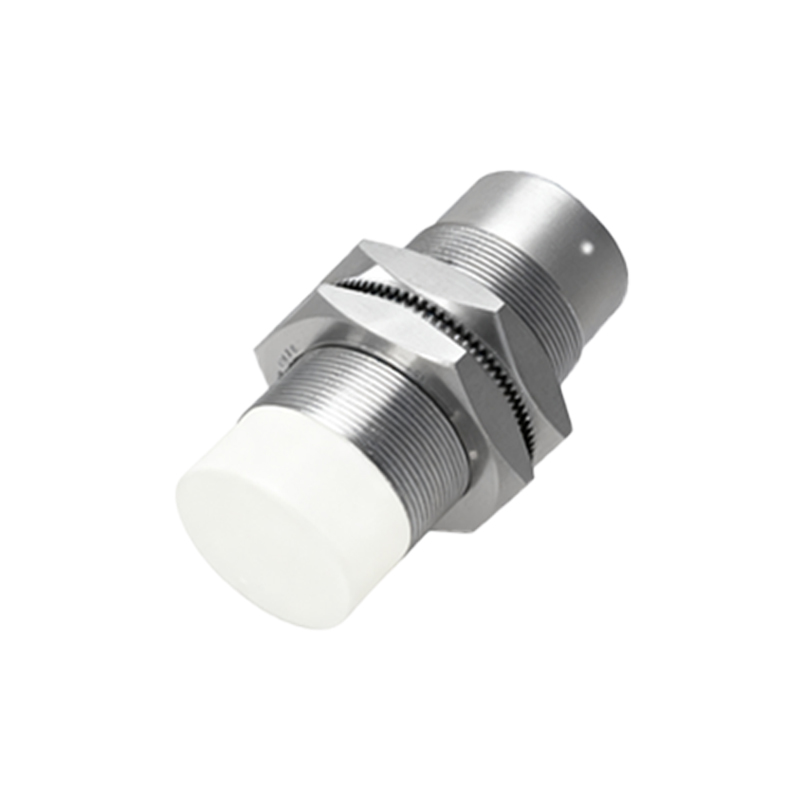
Capacitive Proximity Sensor Models
Capacitive sensors can detect both metallic and non-metallic materials, including liquids, plastics, and wood. Their standardization often mirrors inductive models in housing (M12, M18, M30) to allow for easy replacement and mounting compatibility. However, their internal circuitry and sensing face design are optimized for dielectric constant detection. Standard models feature sensitivity adjustment potentiometers, allowing calibration for specific materials. They are widely used in level detection for tanks, material handling, and packaging. Standard output types and connection methods (pre-wired or quick-disconnect) align with inductive sensors to simplify system design.
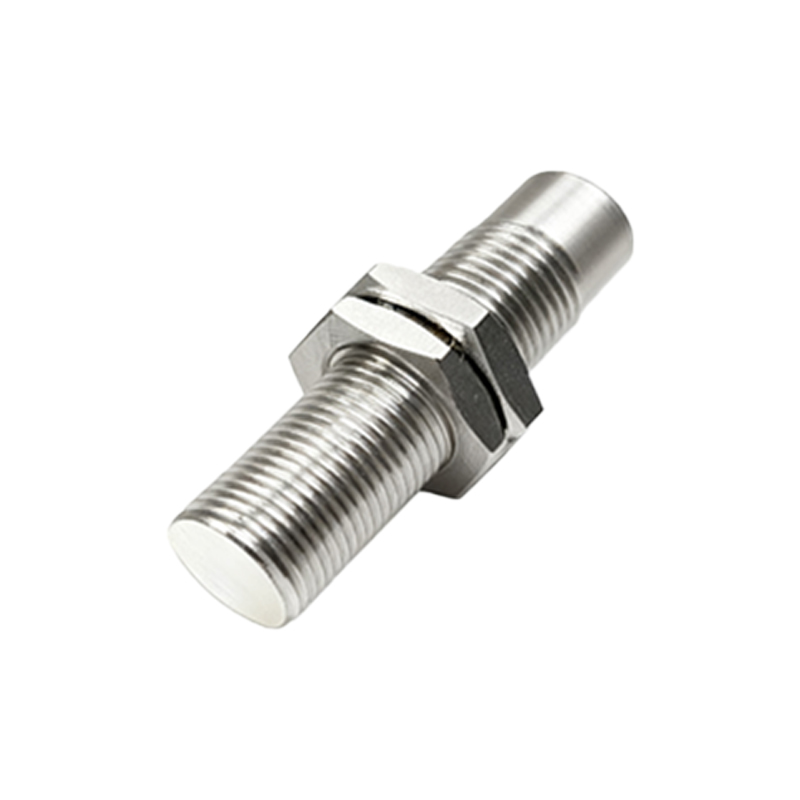
Ultrasonic Proximity Sensor Models
Ultrasonic sensors use sound waves to detect objects and measure distance, making them versatile for both presence sensing and ranging. Standard models are often housed in rectangular or cylindrical enclosures with integrated or separate transducers. Common standardized analog outputs include 0-10V or 4-20mA signals proportional to distance, while discrete models provide a switch-like output. Key standardized parameters are the sensing range (e.g., 30mm to 8 meters), beam angle, and response time. They are essential in challenging environments with dust, fog, or varying object colors and surfaces, such as in palletizing and collision avoidance systems.
Photoelectric Sensor Models
Photoelectric sensors, using light beams for detection, have highly varied but standardized form factors. The main types are through-beam, retro-reflective, and diffuse reflective. Standard housings include small cylindrical styles (e.g., M8, M12) for compact spaces and larger rectangular "slot" styles for precise detection. Fiber optic amplifier units, a subtype, have standardized mounting bases and connector types. Performance is standardized by terms like "excess gain" to define sensing capability in dirty environments. Laser models, offering precise spot detection, follow similar electrical and mounting standards while adhering to laser safety classes (e.g., Class 1, Class 2).
Magnetic Proximity Sensor Models (Reed & Hall Effect)
These sensors detect the presence of a magnetic field, typically from a permanent magnet. Reed switch models are simple, low-cost, and often standardized in small glass or plastic capsules with lead wires. Hall-effect sensors are solid-state and provide more precise switching. They are commonly packaged in standardized three-wire DC configurations (PNP/NPN) in small plastic housings (e.g., 5mm x 5mm x 2mm). A key application is in cylinder position sensing, where sensors like the DIN-standard 5-pin M12 model are universally used to detect the piston position in pneumatic cylinders, ensuring interchangeability between sensor and cylinder brands.
Connection and Mounting Standardization
Beyond the sensor itself, connection interfaces are critically standardized. Quick-disconnect (QD) connectors, particularly for cylindrical sensors, follow M8 and M12 coding standards (A-coded for sensors, B-coded for fieldbus, etc.). This allows for easy sensor replacement without rewiring. Mounting methods are also standardized: flush-mountable sensors can be installed metal-surround, while non-flush models require a clearance zone. International electrical standards (IEC 60947-5-2)