Understanding the Power Consumption of Proximity Sensors
Proximity switch sensors, fundamental components in industrial automation, are designed for efficiency. A common inquiry among engineers and system designers revolves around their power draw: "Do they consume much power?" The straightforward answer is no; modern proximity sensors are engineered for low power consumption. However, the exact figure is not monolithic. It varies significantly based on the sensor's technology, operating voltage, output configuration, and duty cycle. This analysis delves into the electrical characteristics of different proximity sensor types, providing a detailed breakdown of their power requirements and factors influencing energy use in real-world applications. Understanding these parameters is crucial for proper system design, power supply sizing, and optimizing overall energy efficiency in automated systems.
Core Technologies and Their Power Profiles
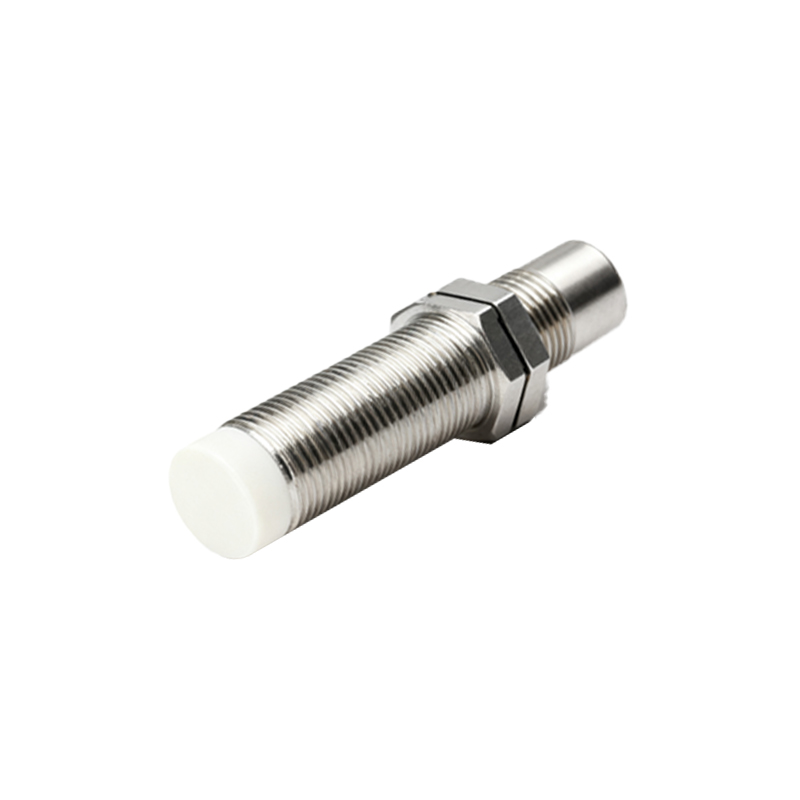
The power consumption of a proximity sensor is intrinsically linked to its underlying sensing technology. The three primary types—inductive, capacitive, and photoelectric—exhibit distinct power profiles. Inductive sensors, detecting metallic objects, typically consist of an oscillator, a demodulator, and an output switch. Their current draw is relatively constant, often ranging from 5mA to 20mA in a standard 24V DC configuration, depending on the model and housing size. Capacitive sensors, used for non-metallic materials, have a similar circuit structure but may draw slightly more current due to the different field generation requirements, often between 10mA and 25mA. Photoelectric sensors, utilizing a light emitter and receiver, generally have a higher base consumption. The LED or laser diode requires power, leading to typical draws between 15mA and 50mA. It is essential to consult the specific datasheet for the exact quiescent current (current draw when inactive) and operating current.
The Impact of Output Type and Switching State
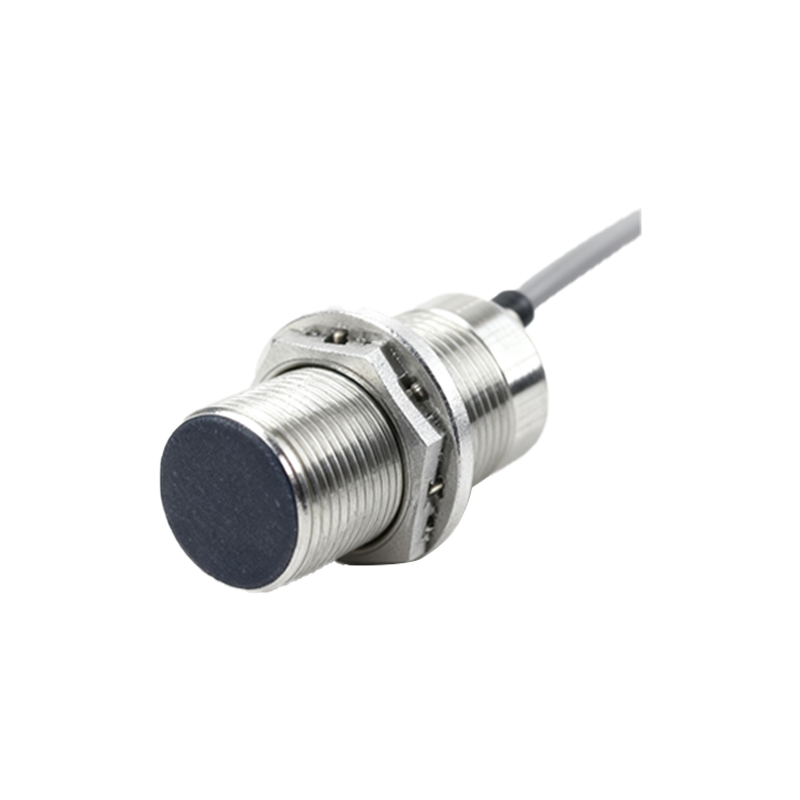
A critical factor affecting power draw is the sensor's output configuration: PNP (sourcing), NPN (sinking), or analog. For standard two-wire or three-wire DC sensors with solid-state outputs (PNP/NPN), the current consumption is often specified as a maximum value. The actual draw increases marginally when the output switch is active (e.g., when an object is detected) due to the load current flowing through the sensor's internal circuitry. This increase is usually minimal for solid-state outputs. Sensors with relay outputs consume power primarily to energize the relay coil, which can be significantly higher (e.g., 50-150mA) than the sensing circuit itself. Furthermore, analog output sensors (4-20mA, 0-10V) have a constant current loop or voltage output, where the power consumption is directly tied to the output signal level and the loop supply voltage.
Voltage Supply and Duty Cycle Considerations
Operating voltage directly influences power consumption, calculated as P (Power in Watts) = V (Voltage) x I (Current). A sensor rated for 10-30V DC will draw less current at a higher supply voltage to achieve the same power level, as per Ohm's law. Most datasheets specify current consumption at a nominal voltage (e.g., 24V DC). Operating at the lower end of the voltage range might result in a slightly higher current draw. Duty cycle, or how frequently the sensor is activated, also plays a role. A sensor in a high-speed counting application, constantly switching, may have a marginally higher average power consumption than one used for occasional presence detection. However, for solid-state sensors, this difference is often negligible compared to the base quiescent current.
Comparing Power Draw to Other System Components
To contextualize their consumption, proximity sensors are among the lowest power-drawing devices in a typical control panel. A single inductive sensor drawing 15mA at 24V DC consumes only 0.36 Watts. In contrast, a small PLC CPU may consume 5-10 Watts, a contactor coil 5-20 Watts, and an industrial HMI 15-50 Watts. Therefore, even a bank of dozens of sensors often represents a minor fraction of the total system load. The primary design concern is usually ensuring the power supply has sufficient current capacity for all devices, including sensors, rather than worrying about excessive energy costs from the sensors alone.
Strategies for Minimizing Energy Usage
While inherently efficient, further optimization is possible. First, always select the correct sensor type for the application to avoid overspecification, which can sometimes correlate with higher power draws. Second, utilize sensors with "power-down" or "sleep" modes if available, especially in battery-operated mobile equipment. Third, ensure proper installation and shielding to prevent false triggering, which causes unnecessary output switching. Fourth, for