Introduction to Proximity Sensors
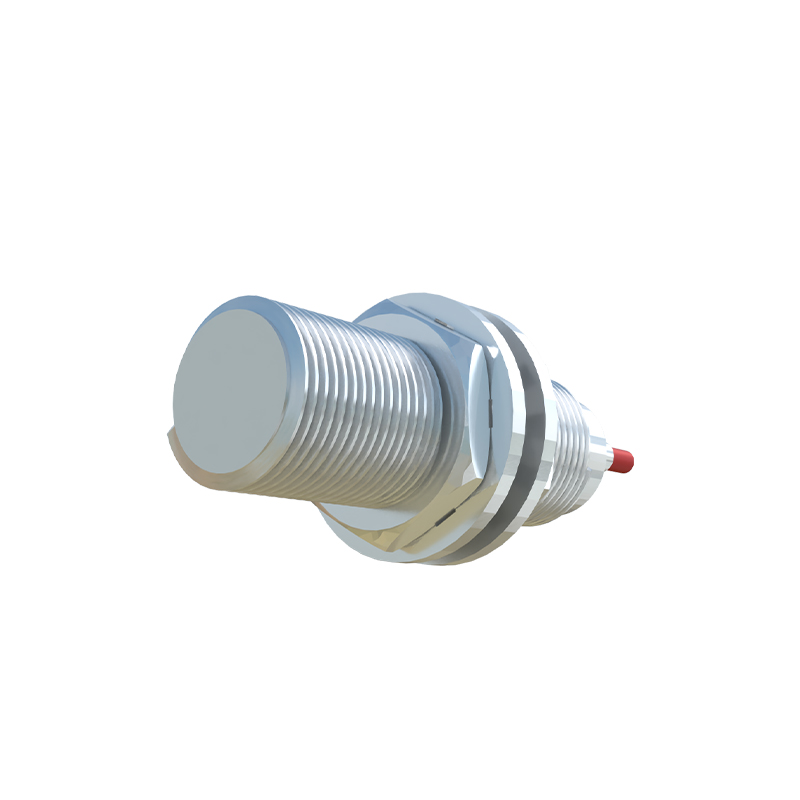
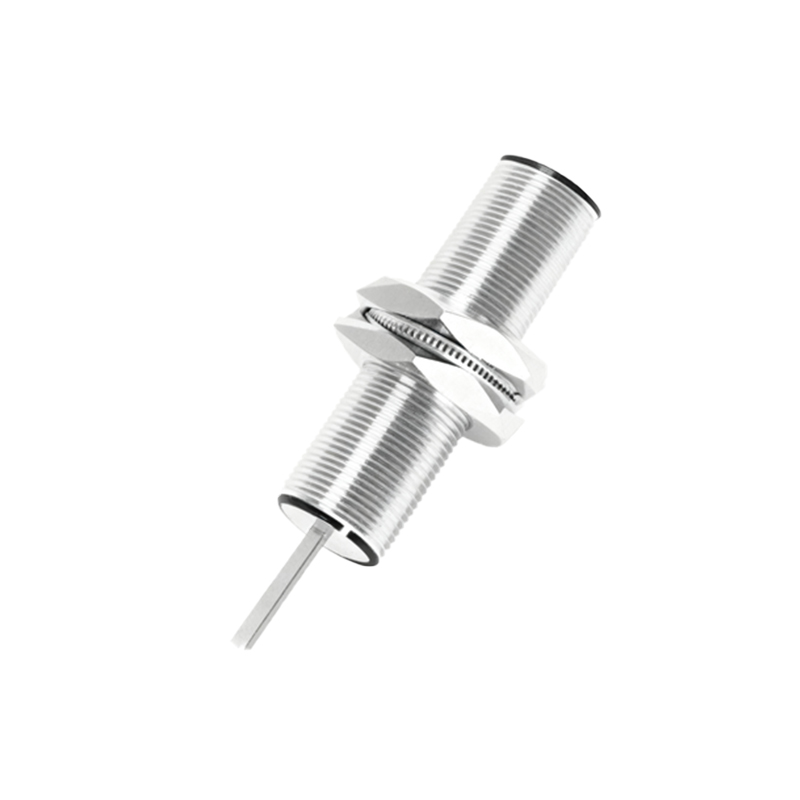
Proximity sensors are essential components in modern industrial automation, designed to detect the presence or absence of objects without physical contact. These sensors operate based on various principles, including inductive, capacitive, ultrasonic, and photoelectric technologies. Inductive sensors are commonly used for detecting metallic objects, utilizing electromagnetic fields to sense ferrous materials. Capacitive sensors can detect both metallic and non-metallic objects by measuring changes in capacitance. Ultrasonic sensors emit sound waves to determine distance, while photoelectric sensors use light beams for detection. Each type offers distinct advantages, such as high precision, durability, and reliability in harsh environments. Their non-contact nature minimizes wear and tear, ensuring long operational life and reduced maintenance costs. In industrial settings, proximity sensors play a critical role in tasks like object counting, position verification, and safety monitoring, forming the foundation for efficient automation systems.
Understanding Programmable Logic Controllers (PLCs)
Programmable Logic Controllers (PLCs) are specialized industrial computers used to control machinery and processes in manufacturing and other automation applications. PLCs are designed to withstand extreme conditions, including temperature fluctuations, vibrations, and electrical noise. They function by receiving input signals from sensors, such as proximity sensors, processing these signals based on programmed logic, and generating output commands to actuators like motors or valves. A typical PLC system consists of a central processing unit (CPU), input/output (I/O) modules, power supply, and programming software. The CPU executes control programs written in ladder logic or other programming languages, enabling real-time decision-making. PLCs offer flexibility, scalability, and ease of integration, making them ideal for complex automation tasks. Their ability to communicate with other devices via industrial networks, such as Ethernet/IP or Profibus, enhances system coordination and data exchange.
Integration of Proximity Sensors with PLCs
The integration of proximity sensors with PLCs is a fundamental aspect of industrial automation, enabling precise control and monitoring. Proximity sensors connect to PLC input modules, providing digital or analog signals that indicate object detection. For example, an inductive sensor detecting a metal part on a conveyor belt sends a signal to the PLC, which then triggers an actuator to sort or package the item. Wiring configurations vary, with two-wire, three-wire, and four-wire sensors commonly used, depending on power requirements and output types. PLC programming involves configuring input addresses and logic routines to respond to sensor signals. Advanced setups may include sensor calibration and diagnostic features to ensure accuracy. Integration benefits include improved efficiency, reduced downtime, and enhanced safety, as PLCs can use sensor data to initiate emergency stops or alerts. Compatibility between sensor specifications and PLC I/O capabilities is crucial for seamless operation.
Applications in Industrial Automation
Proximity sensors and PLCs are widely applied across various industries, from automotive manufacturing to food processing. In assembly lines, inductive sensors detect components, while PLCs coordinate robotic arms for precise placement. In packaging, photoelectric sensors monitor product flow, with PLCs controlling filling and sealing machines. Automotive plants use ultrasonic sensors for distance measurement in welding robots, integrated with PLCs for quality control. In material handling, capacitive sensors identify non-metallic items on conveyors, and PLCs manage sorting systems. Safety applications include using sensors to detect human presence near hazardous machinery, with PLCs implementing lockout mechanisms. These systems also support predictive maintenance by analyzing sensor data to foresee equipment failures. Overall, the synergy between proximity sensors and PLCs drives automation, boosting productivity, consistency, and cost-effectiveness in industrial operations.
Best Practices for Implementation
Successful implementation of proximity sensors with PLCs requires adherence to best practices to optimize performance and reliability. First, select sensors based on environmental factors, such as temperature, humidity, and material types. Ensure proper mounting and alignment to avoid false triggers. For PLC integration, verify voltage compatibility and use shielded cables to reduce electromagnetic interference. Program PLCs with clear logic and include error-handling routines for sensor malfunctions. Regular maintenance, like cleaning sensor lenses and checking connections, prevents operational issues. Testing under real conditions helps validate system responsiveness. Additionally, leverage PLC diagnostics to monitor sensor status and log data for analysis. Training personnel on setup and troubleshooting enhances system uptime. By following these guidelines, industries can achieve robust automation solutions that maximize the benefits of proximity sensors and PLCs.
Future Trends and Innovations
The future of proximity sensors and PLCs in industrial automation is shaped by technological advancements and evolving industry needs. Smart sensors with embedded intelligence and communication capabilities, such as IO-Link, enable direct data exchange with PLCs, offering detailed diagnostics and parameter adjustments. PLCs are evolving towards more