Introduction to Proximity Switch Sensor Calibration
In industrial automation, proximity switch sensors are critical components for detecting the presence or absence of objects without physical contact. These sensors rely on electromagnetic fields, capacitive changes, or ultrasonic waves to function accurately. Over time, factors like environmental conditions, mechanical wear, and electrical drift can degrade their performance. A dedicated proximity switch sensor calibration device is essential to ensure these sensors operate within specified tolerances, maintaining system reliability and preventing costly downtime. Calibration involves comparing the sensor's output against a known standard and adjusting it to meet original equipment manufacturer (OEM) specifications. This process not only verifies detection distance and response time but also checks for consistency and repeatability, which are vital for precision-driven applications such as assembly lines, robotic systems, and safety interlocks.
Key Components of a Calibration Device
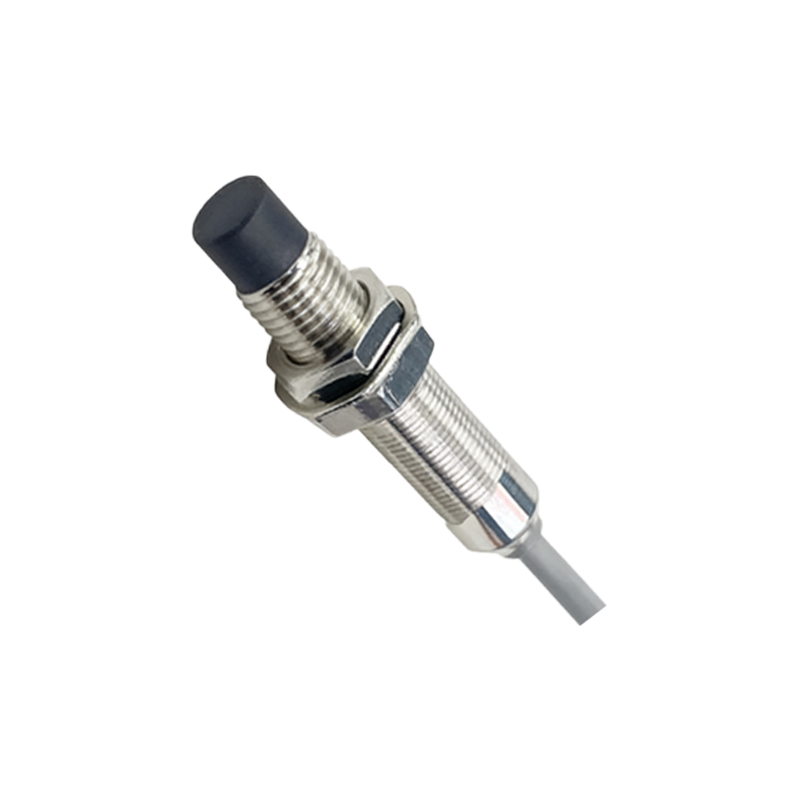
A robust proximity switch sensor calibration device typically comprises several integral parts designed for accuracy and ease of use. The core element is a precision motion system, often including a linear actuator or servo motor, which moves a test target at controlled distances to simulate real-world detection scenarios. This system is integrated with a high-resolution measurement unit, such as a laser displacement sensor or micrometer, to provide exact distance readings. Additionally, the device features a signal analysis module that monitors the sensor's output—whether it's a digital signal (e.g., PNP/NPN) or analog voltage/current—and records data on parameters like switching point hysteresis and response frequency. User interface components, such as a touchscreen display or software interface, allow operators to configure test sequences, view real-time graphs, and generate calibration certificates. For enhanced versatility, modern devices may include adapters for various sensor types (inductive, capacitive, magnetic) and environmental chambers to test under different temperatures or humidity levels.
Calibration Procedure and Best Practices
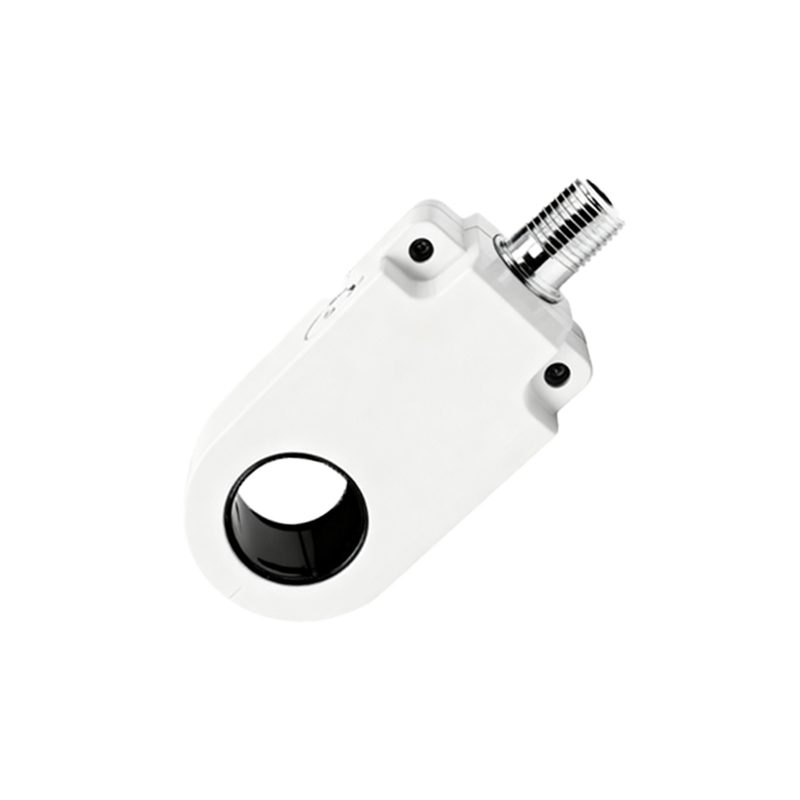
The calibration process begins with mounting the proximity sensor securely in the device's fixture, ensuring alignment with the test target. Operators then initiate a automated sequence where the target approaches the sensor at a defined speed, while the device records the exact distance at which the sensor triggers an output signal. This is repeated multiple times to assess repeatability and hysteresis—the difference between switch-on and switch-off points. Best practices emphasize performing calibration in a controlled environment to minimize interference from external factors like vibration or electromagnetic noise. Regular calibration intervals, based on usage intensity and manufacturer recommendations, are crucial; for instance, high-cycle applications might require quarterly checks. Documentation is key: each calibration should result in a report detailing pre- and post-adjustment values, traceability to national standards, and compliance with industry norms such as ISO 9001 or IEC 60947-5-2. By adhering to these practices, facilities can uphold quality control and extend the operational lifespan of their sensors.
Benefits of Using a Dedicated Calibration Device
Investing in a specialized calibration device offers numerous advantages for industrial operations. Firstly, it enhances accuracy and consistency, reducing the risk of false triggers or missed detections that could lead to production errors or safety hazards. This precision translates to improved product quality and lower scrap rates in manufacturing. Secondly, calibration devices increase efficiency by automating what would otherwise be a manual, time-consuming task, allowing technicians to focus on higher-value activities. They also support predictive maintenance by identifying sensor degradation early, enabling proactive replacements before failures occur. From a cost perspective, regular calibration minimizes unplanned downtime and extends sensor life, offering a strong return on investment. Moreover, using certified calibration equipment helps organizations meet regulatory and audit requirements, fostering trust with clients and stakeholders in sectors like automotive, aerospace, and pharmaceuticals.
Future Trends in Sensor Calibration Technology
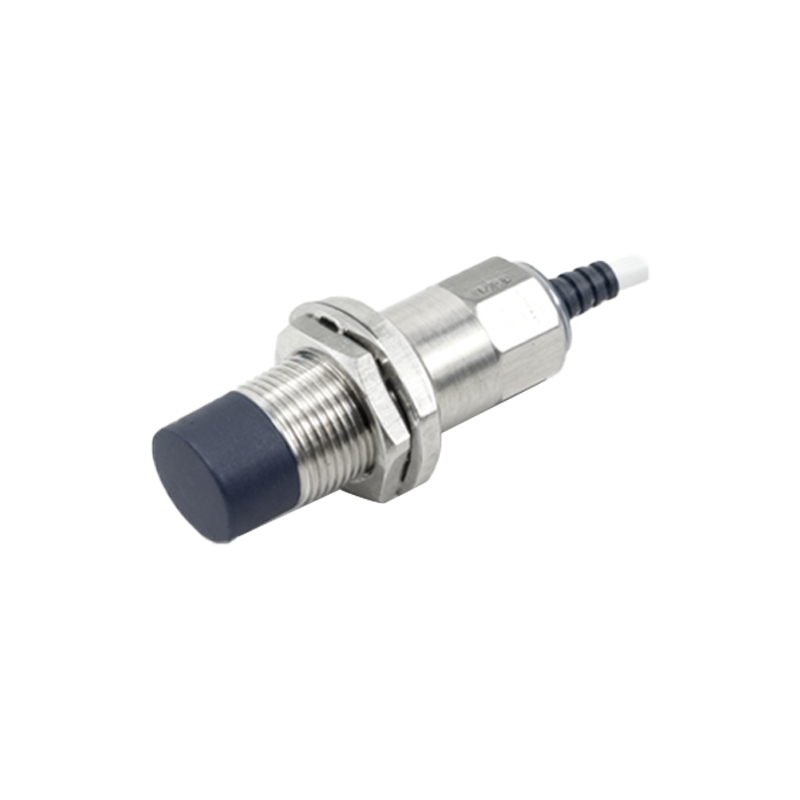
The evolution of proximity switch sensor calibration is closely tied to advancements in Industry 4.0 and smart manufacturing. Future devices are expected to incorporate IoT connectivity, enabling remote monitoring and calibration via cloud platforms. This would allow data from multiple sensors across a facility to be analyzed centrally, facilitating predictive analytics and automated adjustment schedules. Artificial intelligence (AI) integration could further optimize calibration by learning from historical performance data to predict drift patterns and recommend optimal intervals. Additionally, miniaturization and portability will make calibration devices more accessible for field use, while enhanced compatibility with a wider range of sensor technologies—including IO-Link and wireless sensors—will address diverse industrial needs. As sustainability gains emphasis, energy-efficient designs and longer-lasting components will also become standard, aligning calibration practices with broader environmental goals. Embracing these trends will ensure that calibration remains a cornerstone of reliable and innovative industrial automation.