Introduction to Proximity Sensor Selection
Selecting the optimal proximity sensor brand is a critical decision in industrial automation and control systems. The choice impacts reliability, precision, maintenance costs, and overall system uptime. With numerous manufacturers in the market, each claiming superiority, engineers must evaluate based on technical specifications, application suitability, durability, and long-term support. This guide provides an objective analysis of leading brands, focusing on their core strengths and typical industrial applications to aid in making an informed decision.
Key Performance Metrics for Evaluation
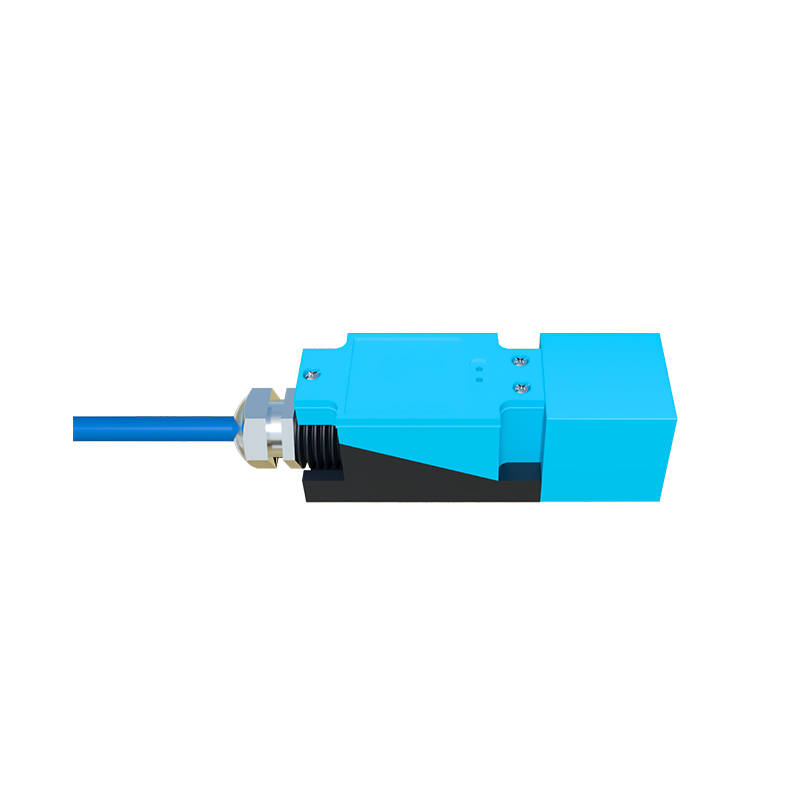
Before comparing brands, it's essential to understand the key metrics. Sensing range, repeat accuracy, response frequency, and environmental ratings (IP, NEMA) are fundamental. The construction material, such as stainless steel or nickel-plated brass housings, determines resistance to chemicals and physical impact. Electrical output types (PNP/NPN, NO/NC, analog, IO-Link) and supply voltage compatibility are crucial for integration. A superior brand consistently delivers on these specifications across its product line, ensuring predictable performance in diverse conditions.
Top Contender: Siemens
Siemens stands as a powerhouse in industrial automation, and its proximity sensor portfolio reflects this dominance. The Siemens SIMATIC series, including the robust SIMMATIC IQ sensors, is renowned for exceptional reliability in harsh environments. They offer advanced diagnostics, high switching frequencies, and excellent resistance to electromagnetic interference. Siemens sensors integrate seamlessly with their PLCs and TIA Portal ecosystem, making them a preferred choice for large-scale, complex automation projects where system-wide compatibility and centralized management are priorities.
Innovation Leader: Omron
Omron Electronics is often synonymous with innovation in sensing technology. Their E2E and E2A series are industry benchmarks for compact size and high performance. Omron excels in miniaturization without sacrificing sensing distance or durability. They are pioneers in features like built-in surge protection and advanced sensing technologies for difficult-to-detect targets, such as transparent films or small screws. For applications requiring dense mounting, precise detection, and cutting-edge features, Omron frequently emerges as the top technical choice.
The Rugged Specialist: Pepperl+Fuchs
When the application involves extreme conditions—excessive dust, moisture, temperature swings, or corrosive atmospheres—Pepperl+Fuchs is the go-to expert. Their inductive, capacitive, and ultrasonic proximity sensors are engineered for maximum ruggedness and longevity. The brand offers an extensive range of specialized sensors, including heavy-duty models with weld-field immunity for robotic welding cells and intrinsically safe versions for hazardous areas. For mission-critical applications in mining, chemical, or heavy machinery, Pepperl+Fuchs provides unparalleled durability.
Global Value and Variety: Schneider Electric
Schneider Electric offers a comprehensive and cost-effective range of proximity sensors under the Telemecanique Sensors brand (e.g., XS series). They provide excellent global availability and a vast selection of form factors, connection types, and sensing technologies. While perhaps not always the absolute leader in a single niche, Schneider's strength lies in delivering reliable, standardized performance across a broad spectrum of general industrial applications. They are an excellent choice for OEMs and system integrators needing a single, versatile supplier for global projects.
Application-Specific Recommendations
For high-speed packaging lines, Omron or high-frequency Siemens models are ideal. In automotive assembly with welding robots, specify Pepperl+Fuchs with weld-field immunity. For water treatment plants with corrosive liquids, capacitive sensors from Pepperl+Fuchs or specialized stainless-steel units from Siemens are suitable. For general material handling on conveyor systems, Schneider Electric or standard Siemens sensors offer great value. Always cross-reference the sensor's datasheet with the specific environmental and operational demands of the application.
Conclusion: The "Best" is Context-Dependent
There is no single "best" brand for all scenarios. Siemens offers top-tier system integration, Omron leads in precision and innovation, Pepperl+Fuchs dominates in harsh environments, and Schneider Electric provides reliable global value. The optimal selection process involves defining the application requirements with precision, then matching those needs to the brand whose product philosophy and technical strengths align most closely. Investing time in this evaluation ensures optimal performance, reduced downtime, and a better return on investment for any automation project.