Introduction to Ultra-Compact Proximity Sensors
The industrial automation landscape is continuously evolving, demanding components that are smaller, smarter, and more cost-effective. Ultra-compact proximity sensors have emerged as a critical solution in this space, offering reliable non-contact detection in extremely limited spaces. These sensors, often with housing dimensions as small as M5 or M8, are engineered to deliver high performance without compromising on sensing distance or environmental robustness. Their primary function is to detect the presence or absence of metallic or non-metallic objects without physical contact, making them indispensable in applications like miniature robotics, compact assembly lines, semiconductor manufacturing, and high-density electronic packaging. The drive towards miniaturization across industries has directly fueled the demand for these tiny yet powerful devices.
Key Factors Influencing Factory Pricing
The factory price of an ultra-compact proximity sensor is not a single figure but a composite determined by several interlinked factors. First and foremost is the sensing technology. Inductive sensors, designed for metal detection, are generally more cost-effective than capacitive variants, which can detect a wider range of materials including liquids and plastics. The second major factor is performance specifications. A sensor with a longer nominal sensing range, higher switching frequency, or enhanced resistance to environmental factors like washdowns, oils, or extreme temperatures will command a higher price. Material and build quality, including the grade of stainless steel used in the housing or the quality of the embedded electronics, also significantly impact the cost. Finally, the inclusion of advanced features such as IO-Link communication for smart sensor functionality, diagnostic capabilities, or specific output types (PNP vs. NPN, NO vs. NC) adds layers to the base manufacturing cost.
Price Range and Market Segmentation
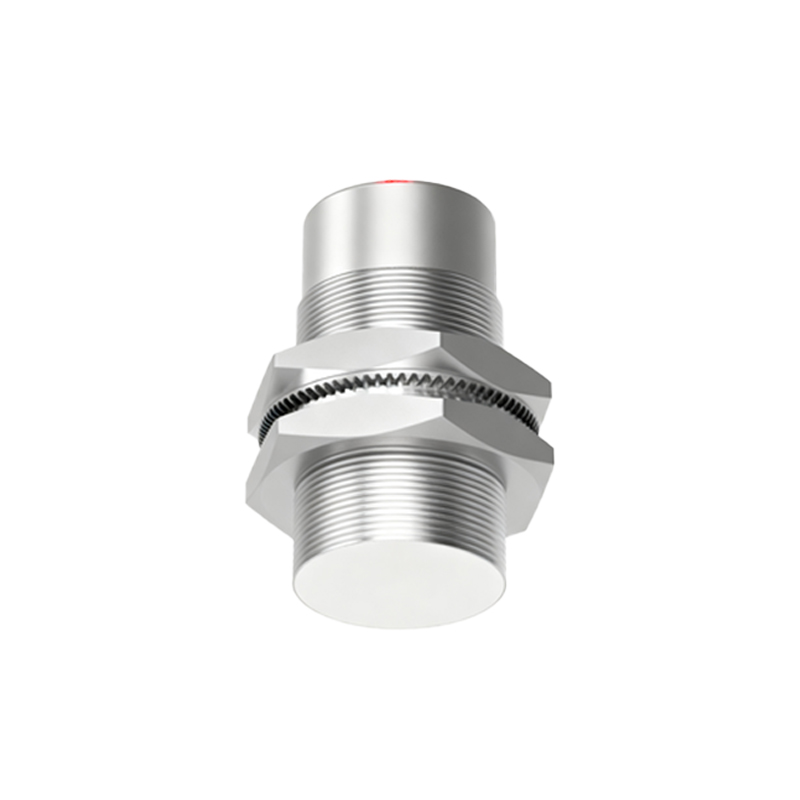
In the current global market, the factory price for a standard inductive ultra-compact proximity sensor (e.g., M8 size) can range from as low as $15 to over $80 per unit. This vast range reflects the segmentation within the market. Entry-level sensors, often produced in high volume with standard features, occupy the lower end of this spectrum. They are suitable for general-purpose applications with standard environmental conditions. The mid-range, typically between $30 and $50, includes sensors with better construction, tighter performance tolerances, and basic protective coatings. The premium segment, priced above $50, is reserved for sensors with exceptional durability (e.g., full stainless steel bodies), extended sensing ranges, high-precision detection, and integrated smart communication protocols like IO-Link. This segmentation allows OEMs and end-users to select a product that precisely matches their technical and budgetary requirements.
The Impact of Volume and Supply Chain
Economies of scale play a monumental role in determining the final factory gate price. Manufacturers offer substantial discounts for large-volume OEM orders, sometimes reducing the per-unit cost by 30% to 50% compared to single-piece prices. The stability and efficiency of the supply chain for critical components, such as specialized ICs, rare-earth magnets, and high-grade plastics or metals, directly affect production costs and, consequently, pricing. Geopolitical factors, trade policies, and raw material availability can cause price volatility. Furthermore, strategic partnerships between sensor manufacturers and large industrial automation suppliers can lead to optimized production runs and more stable, competitive pricing for the market.
Cost vs. Total Cost of Ownership (TCO)
A prudent buyer must look beyond the initial factory price and evaluate the Total Cost of Ownership. A slightly higher-priced sensor from a reputable manufacturer often translates into greater long-term value. Factors contributing to TCO include reliability and mean time between failures (MTBF), which reduce downtime and maintenance costs. Energy efficiency, especially in sensors with low current consumption, can lead to significant savings in large-scale installations. Sensors with advanced diagnostics can prevent costly machine stoppages by providing early warnings. Compatibility with existing systems and ease of integration also save on engineering and installation time. Therefore, the sensor with the lowest factory price may not be the most economical choice over its operational lifecycle.
Future Trends and Price Projections
The future pricing trajectory for ultra-compact proximity sensors points towards a gradual decrease in cost for standard functionalities, driven by advancements in manufacturing automation and component integration. However, this will be paralleled by the introduction of new, smarter sensors with embedded intelligence, which may maintain or even increase price points for cutting-edge models. The integration of more sophisticated condition monitoring and predictive maintenance features directly into the sensor housing will add value. Market competition, particularly from manufacturers in Asia offering competitive quality at lower prices, will continue to exert downward pressure on the standard product segments. Overall, the market is expected to offer a wider range of price-performance options, making advanced sensing more accessible while pushing the