Introduction to Magnetic Inductive Proximity Sensors
Magnetic inductive proximity sensors are fundamental components in modern industrial automation and control systems. These devices detect the presence or absence of a magnetic field, typically generated by a permanent magnet, without requiring physical contact. The core principle involves a sensing element that reacts to changes in a magnetic field, triggering an electrical signal. This non-contact detection method offers significant advantages, including high reliability, long operational life, and immunity to environmental contaminants like dust, oil, or moisture. Unlike standard inductive sensors that detect metallic objects, magnetic inductive variants are specifically tuned for magnetic targets, making them ideal for applications involving magnets or ferromagnetic materials that can be magnetized. Their robustness and simplicity have cemented their role in safety systems, position sensing, and motion control across diverse sectors.
Core Operating Principle and Technology
The functionality of a magnetic inductive proximity sensor hinges on the behavior of its internal reed switch or magneto-resistive element. The most common type incorporates a hermetically sealed reed switch consisting of two ferromagnetic reeds enclosed in a glass tube filled with an inert gas. When an external magnetic field of sufficient strength approaches the sensor, the reeds become magnetized, attracting each other to make contact and close the electrical circuit. Upon removal of the magnetic field, the reeds' spring force separates them, opening the circuit. More advanced versions utilize solid-state Hall-effect or magneto-resistive chips. These semiconductor-based sensors detect changes in magnetic flux density and convert them into a digital or analog output signal. They offer benefits like faster switching speeds, higher switching frequencies, and the ability to detect both the polarity and strength of a magnetic field, enabling more sophisticated sensing tasks.
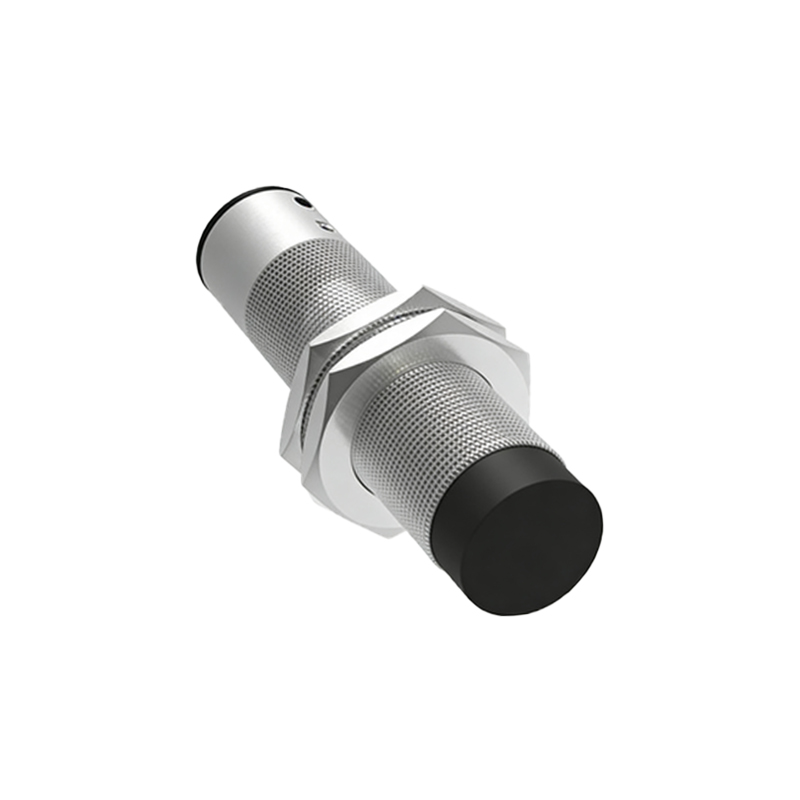
Key Design Characteristics and Specifications
When selecting a magnetic inductive proximity sensor, several critical specifications must be evaluated. The sensing distance, or switching distance, defines the maximum range at which the sensor can reliably detect a standard magnet. This distance is typically shorter than that of standard inductive sensors and is highly dependent on the magnet's strength, size, and orientation. Switching frequency indicates how many on/off cycles the sensor can perform per second, a vital parameter for high-speed applications. Output configurations include normally open (NO), normally closed (NC), or switching outputs, with common electrical interfaces being PNP, NPN, or analog (4-20mA, 0-10V). Housing material is another crucial factor; sensors are often encased in stainless steel, brass, or ruggedized plastics like PBT to withstand harsh industrial environments involving mechanical shock, vibration, and exposure to chemicals or extreme temperatures.
Primary Industrial Applications and Use Cases
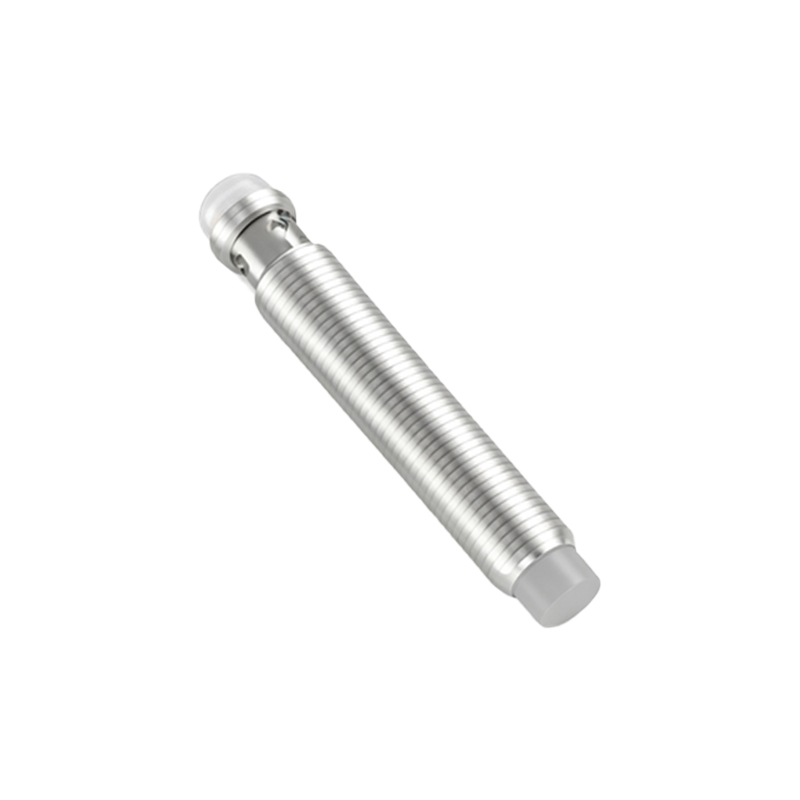
The application spectrum for magnetic inductive proximity sensors is remarkably broad. In factory automation, they are extensively used for end-position detection on pneumatic cylinders, where a magnet embedded in the piston actuates the sensor at the end of the stroke. This provides precise feedback for machine control sequences. They are indispensable in conveyor systems for detecting the presence of pallets or products, and in robotics for verifying gripper positions. Beyond manufacturing, these sensors play a critical role in automotive systems, such as detecting seat belt buckles, gearbox position, or door/window status. In the renewable energy sector, they monitor the blade position in wind turbines. Their sealed, contactless nature also makes them perfect for safety interlocks on guards and doors, ensuring machinery only operates when access panels are securely closed.
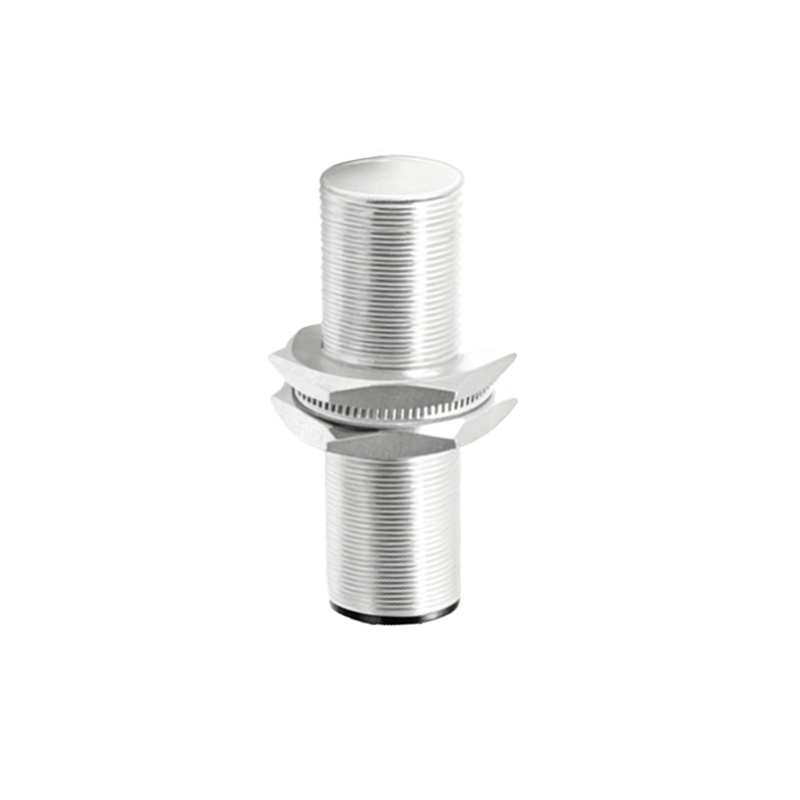
Advantages Over Alternative Sensing Technologies
Magnetic inductive sensors offer distinct benefits compared to other proximity sensing methods. Their primary advantage is complete isolation from the target; since detection relies solely on magnetic fields, the sensor can be fully encapsulated, providing exceptional protection against dirt, liquids, and corrosive atmospheres. This leads to minimal maintenance and a very long service life, as there are no mechanical contacts to wear out. They are unaffected by non-magnetic materials, allowing them to detect a magnet through walls made of plastic, aluminum, or non-ferrous metals—a capability impossible for standard inductive sensors. Furthermore, they are generally immune to electrical noise from motors or frequency converters, ensuring stable operation in electrically noisy environments. Their simple two-wire or three-wire connection schemes also facilitate easy installation and integration.
Critical Selection and Installation Considerations
Successful implementation requires careful selection and installation practices. The first step is matching the sensor to the magnetic target's characteristics, particularly its strength (often measured in Gauss or Tesla) and orientation relative to the sensor's active face. The sensor must be rated for the required electrical load (voltage and current) of the connected control system, such as a PLC input module. Environmental conditions dictate the required ingress protection (IP) rating; for wash