Selecting the right proximity sensor is a critical decision that impacts the efficiency, reliability, and cost-effectiveness of countless industrial automation, consumer electronics, and automotive systems. With a vast array of technologies and specifications available, navigating the options can be daunting. This guide provides a structured approach to proximity sensor selection, focusing on the core technical and application-specific factors that drive optimal performance.
The first and most fundamental step is defining the object to be detected. Key characteristics include material composition (ferrous metal, non-ferrous metal like aluminum or copper, plastic, glass, or liquid), physical size, and the expected sensing distance. For instance, inductive proximity sensors are ideal for detecting metallic objects but are ineffective for non-metals. In contrast, capacitive sensors can detect a wider range of materials, including liquids and powders, making them suitable for level detection tasks. Photoelectric sensors, which use light beams, are excellent for long-range detection and can sense virtually any material, but their performance can be affected by environmental factors like dust, fog, or ambient light.
The required sensing range, or the distance at which the sensor reliably detects the target, is a primary specification. It is crucial to choose a sensor with a nominal sensing distance (Sn) that exceeds your actual application distance by a safety margin, typically 10-30%, to account for manufacturing tolerances, temperature variations, and target positioning inconsistencies. Never operate a sensor at its absolute maximum rated distance. Consider both the nominal range and the effective or assured operating distance, which guarantees switching under defined conditions.
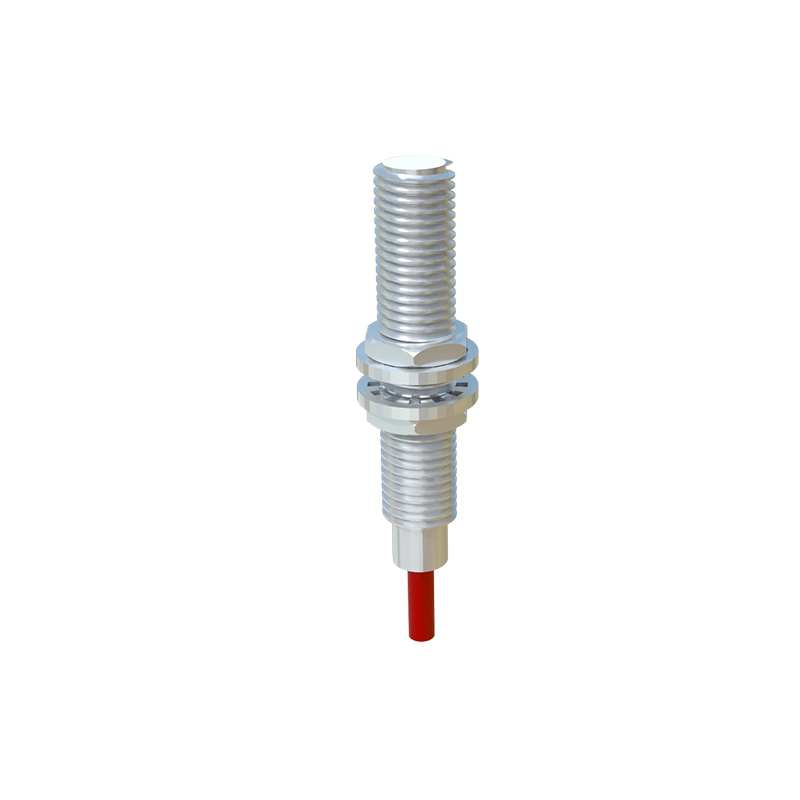
The operating environment presents significant challenges. Industrial settings often involve extreme temperatures, humidity, vibration, shock, and exposure to chemicals, oils, or coolants. A sensor's housing material and ingress protection (IP) rating are vital. Stainless steel housings offer superior chemical resistance and mechanical strength. IP ratings, such as IP67 (dust-tight and protected against temporary immersion) or IP69K (protected against high-pressure, high-temperature water jets), indicate suitability for washdown or outdoor environments. For high-vibration areas, sensors with robust construction and secure mounting are essential.
Electrical requirements and output configuration must match the control system. Common supply voltages are 10-30V DC or 90-250V AC. The output type is a key decision point. Two-wire sensors are simple to wire but may have a residual leakage current. Three-wire sensors (PNP or NDP) are more common in DC systems, offering clearly defined positive or negative switching. The output function, either normally open (NO) or normally closed (NC), must be selected based on the control logic's fail-safe requirements. Additionally, consider switching speed (response frequency) if detecting fast-moving objects and the current rating to ensure it can drive the connected load (e.g., a PLC input, relay, or lamp).
Physical size and mounting constraints are often overlooked. The sensor must fit into the available space. Cylindrical sensors (e.g., M8, M12, M18, M30 threads) are standard, but rectangular and slot-style housings exist for specific applications. Consider the mounting style (flush, non-flush, or side-sensing) for inductive sensors, as it affects the sensing range and potential interference from surrounding metal. Non-flush mount sensors offer longer ranges but require clearance from adjacent metallic structures.
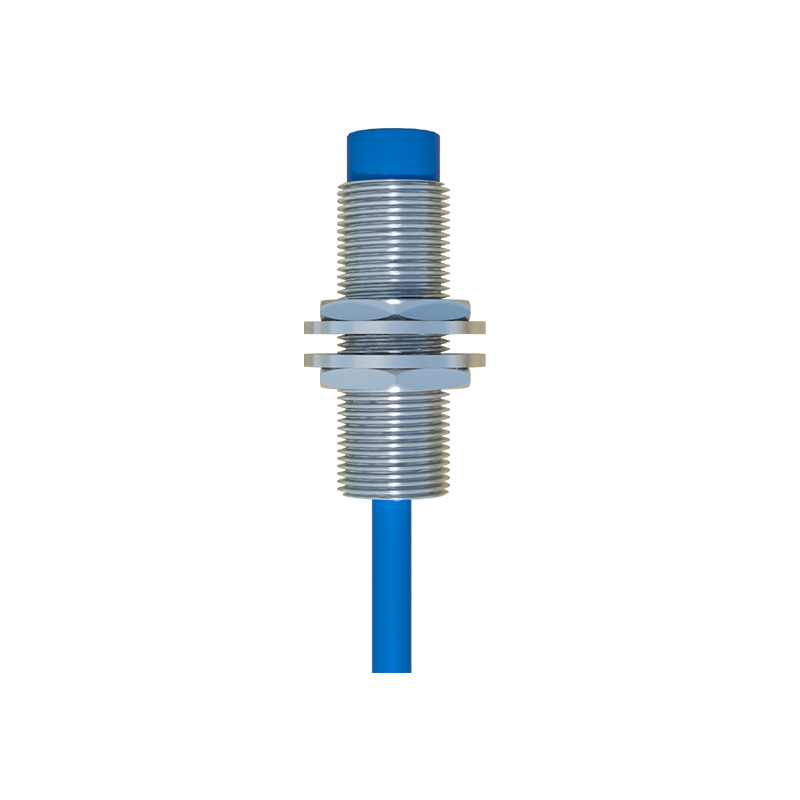
Finally, special features may be necessary. Analog output sensors provide a continuous signal proportional to distance, useful for positioning. Sensors with IO-Link or other digital communication capabilities enable advanced diagnostics, parameter setting, and integration into Industry 4.0 networks. For hazardous areas, sensors with ATEX, IECEx, or other intrinsic safety certifications are mandatory.
In summary, a methodical selection process involves: 1) Identifying target material and required sensing distance. 2) Evaluating environmental conditions and required housing/IP rating. 3) Matching electrical characteristics (voltage, output type, current) to the control system. 4) Ensuring physical dimensions and mounting style are compatible. 5) Considering any need for analog outputs, diagnostics, or special certifications. Consulting with sensor manufacturers or distributors with detailed application data is always recommended to validate the choice and ensure long-term, trouble-free operation. Testing a sensor in the actual application environment remains the most reliable final step.