In the world of industrial automation and machine control, the ability to detect the presence or absence of an object without physical contact is a fundamental requirement. This is where proximity switches and sensors come into play. These devices are the silent sentinels of modern manufacturing, robotics, and countless other applications, providing reliable, wear-free, and fast detection that mechanical limit switches simply cannot match.
At their core, proximity sensors are electronic devices designed to detect the presence of a nearby object within their sensing range, without any physical contact. They achieve this by emitting an electromagnetic field, a beam of electromagnetic radiation (like infrared light), or an ultrasonic sound wave, and then looking for changes in the field or return signal. The object being detected is often referred to as the sensor's "target." When a target enters the detection zone, it causes a change in the sensor's oscillation amplitude or signal return, which is then converted by the internal circuitry into a clean, binary electrical signal—typically switching a solid-state output ON or OFF. This signal is then sent to a controller, such as a Programmable Logic Controller (PLC), to trigger an action: stopping a conveyor, counting parts, confirming a robotic arm's position, or initiating the next step in a sequence.
The most common types of proximity sensors are defined by their underlying technology. Inductive proximity sensors are the workhorses for detecting metallic objects. They generate an oscillating electromagnetic field. When a ferrous or non-ferrous metal target enters this field, it induces eddy currents on the metal's surface, which dampens the oscillation. The sensor detects this damping and triggers its output. These sensors are exceptionally robust, resistant to dirt, oil, and water (often rated IP67 or higher), and are ideal for harsh industrial environments. They are perfect for detecting machine parts, metal pallets, or position verification.
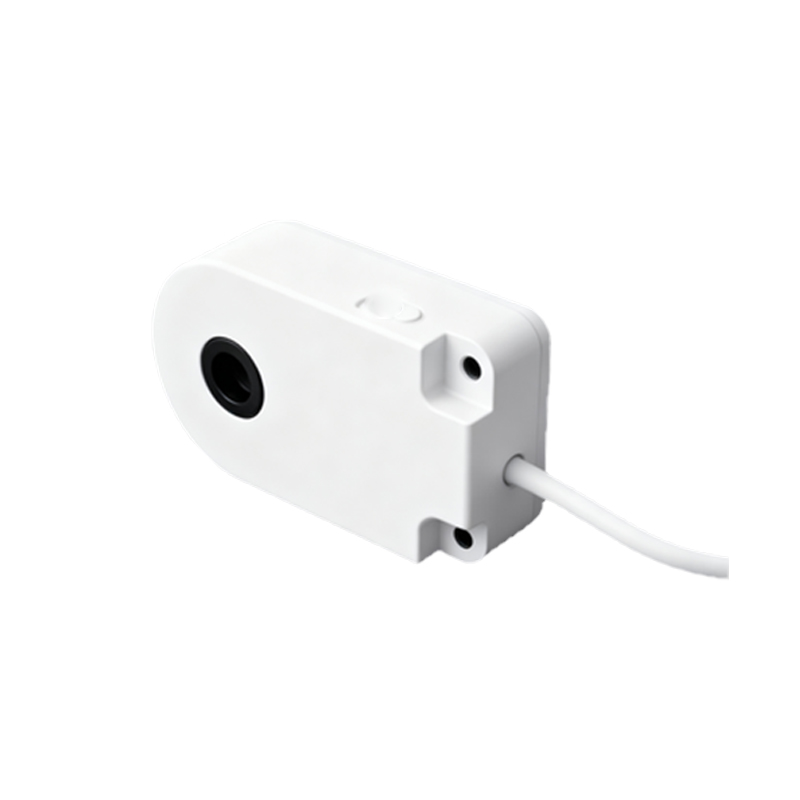
Capacitive proximity sensors, on the other hand, can detect both metallic and non-metallic materials—including liquids, plastics, glass, wood, and granules. They function by generating an electrostatic field. Any object with a dielectric constant different from air will disturb this field when it approaches, changing the sensor's capacitance and triggering the switch. This makes them versatile for applications like liquid level detection in tanks, monitoring the presence of plastic bottles on a line, or detecting wood or cardboard.
For longer-range detection and sensing of non-metallic objects, photoelectric sensors are often the preferred choice. They operate by emitting a light beam (usually infrared, red, or laser) from a transmitter. A receiver detects this light. The presence of an object is sensed either by the interruption of the beam (through-beam mode), by the reflection from the object back to a receiver housed in the same unit (retro-reflective or diffuse reflective modes). They excel at detecting small objects, seeing through transparent materials, and operating over distances from a few centimeters to several meters.
Ultrasonic sensors use sound waves beyond the range of human hearing. They measure the time it takes for an emitted sound pulse to bounce back from a target. This time-of-flight principle allows them to detect almost any material, regardless of color or transparency, and they are excellent for distance measurement and level sensing of bulk solids or liquids, even in dusty or steamy conditions.
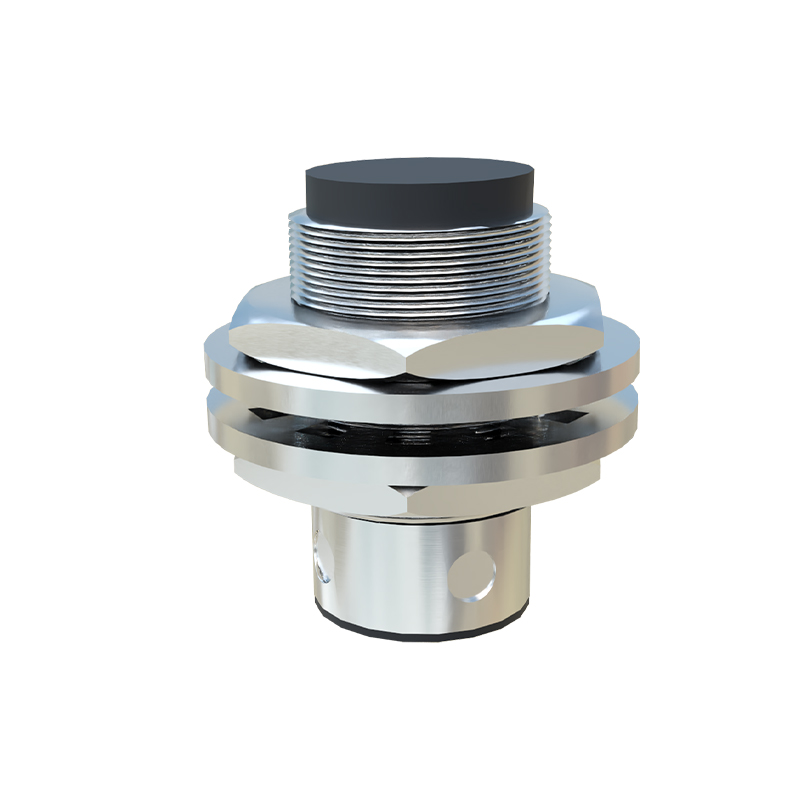
The term "proximity switch" is often used interchangeably with "proximity sensor," particularly for inductive and capacitive types. It emphasizes the primary function: to act as a switch. These devices are praised for their longevity. With no moving parts to wear out from physical contact, their operational life is typically measured in millions of cycles. They offer high switching speeds, often in the kilohertz range, enabling them to keep pace with fast-moving machinery. Their solid-state outputs provide clean, bounce-free signals crucial for digital control systems.
Selecting the right proximity sensor involves several key considerations. First, identify the target material: metal, plastic, liquid, etc. This will narrow down the technology (inductive for metal, capacitive or photoelectric for non-metals). Next, determine the required sensing distance, ensuring you account for a safety margin as environmental factors and target size can affect the nominal range. The physical housing style (barrel-shaped, rectangular, ring-shaped) must suit the mounting constraints. Environmental factors are critical; one must consider exposure to chemicals, temperature extremes, washdowns, or heavy vibration, and choose a sensor with an appropriate Ingress Protection (IP) rating. Finally, the electrical output type must match the control system's input requirements, with options like NPN (sinking), PNP (sourcing), or analog outputs for distance-proportional signals.
From assembly lines and packaging machines to automotive manufacturing and material handling systems, proximity switches and sensors form the essential sensory layer of automation. They provide the critical data on object presence, position, and