Introduction to Miniature Proximity Sensors
The relentless drive for efficiency and space optimization in modern industrial automation has propelled the miniaturization of proximity switch sensors to the forefront of technological advancement. These compact, highly responsive devices are engineered to detect the presence or absence of an object without physical contact, utilizing electromagnetic fields, light, or sound. The evolution towards miniaturized designs represents a paradigm shift, enabling integration into increasingly dense and complex machinery where traditional sensor footprints are prohibitive. This trend is not merely about reducing size; it encompasses enhanced performance, reliability, and application versatility, fundamentally altering how engineers approach machine design and process control.
Core Technologies and Operating Principles
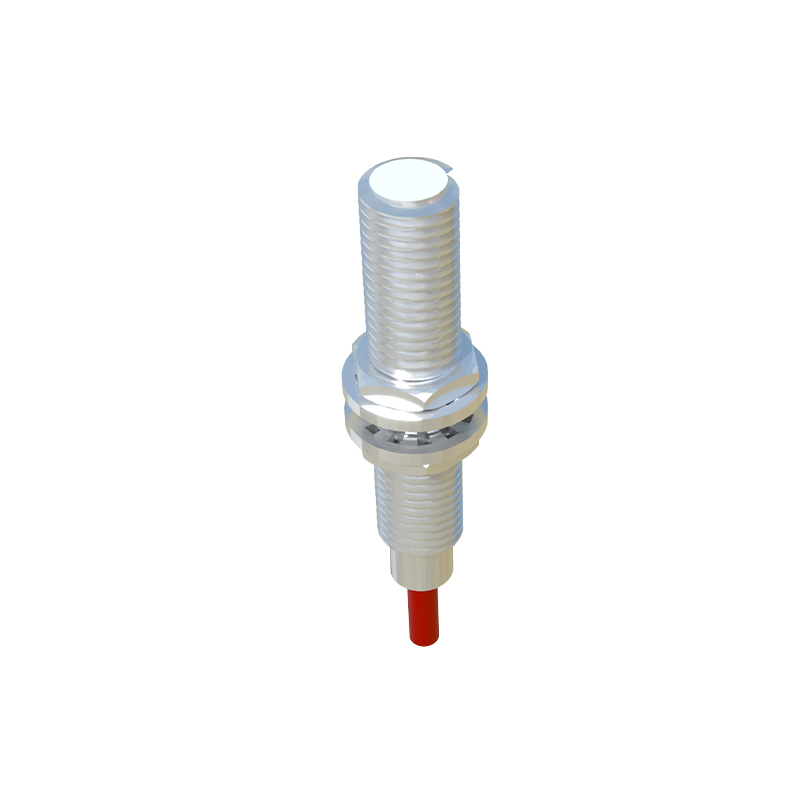
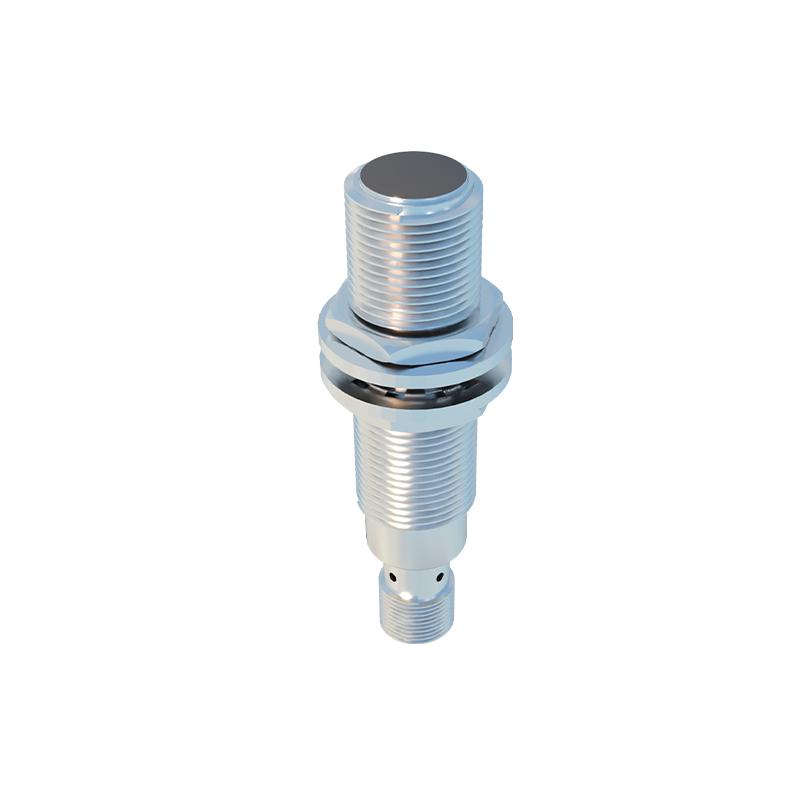
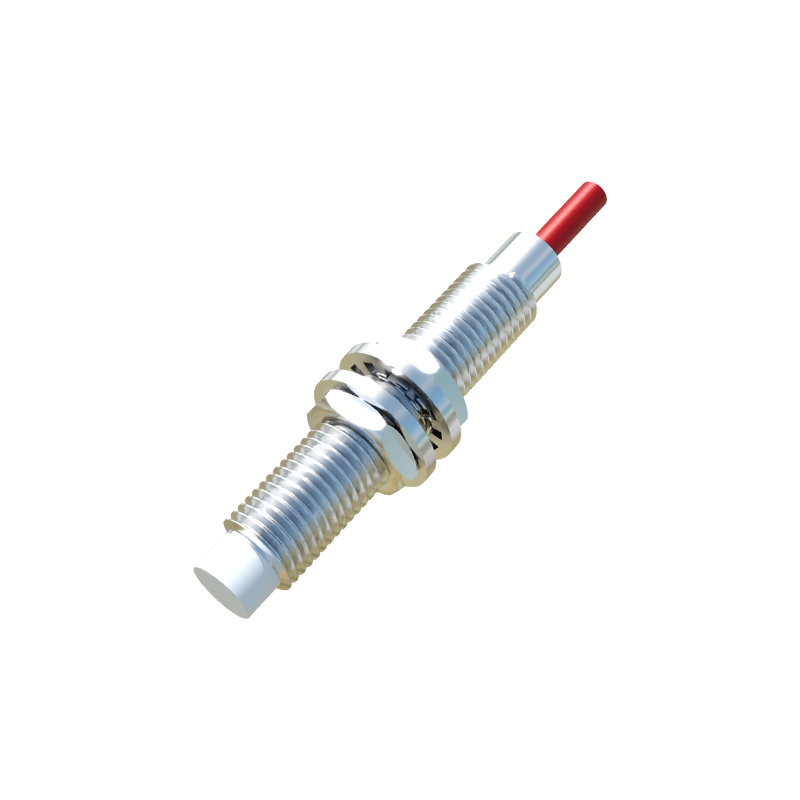
Miniature proximity sensors primarily operate on three established principles: inductive, capacitive, and photoelectric. Inductive mini sensors generate an oscillating electromagnetic field to detect metallic targets, with advancements allowing for sub-millimeter sensing distances in packages as small as M5 or M8 cylindrical housings. Capacitive mini sensors function by detecting changes in capacitance, making them suitable for non-metallic materials like plastics, wood, or liquids, and are crucial in level detection and packaging applications. Ultrasonic and miniature photoelectric sensors, including through-beam, retro-reflective, and diffuse models, use light or sound waves for detection, offering solutions for precise positioning and transparent object sensing. The engineering challenge lies in packing the necessary oscillator, amplifier, and output circuitry into a minuscule housing without compromising switching frequency, temperature tolerance, or environmental resistance.
Key Advantages in Industrial Applications
The benefits of miniaturized proximity sensors are transformative across sectors. Their reduced physical size allows for installation in extremely confined spaces within robotic grippers, semiconductor handling equipment, small assembly modules, and intricate medical devices. This enables higher machine density and more flexible production line layouts. Despite their size, modern mini sensors offer impressive performance characteristics, including high switching frequencies often exceeding 5 kHz, which is critical for high-speed sorting and counting operations. They contribute significantly to energy efficiency, requiring lower operating currents, and their sealed designs (often meeting IP67 or IP69K ratings) ensure reliable operation in washdown environments common in food & beverage and pharmaceutical manufacturing. The result is enhanced system precision, reliability, and overall equipment effectiveness (OEE).
Design and Installation Considerations
Implementing miniature proximity sensors demands careful planning. Mounting in tight spaces necessitates precise mechanical design to avoid sensor body collision with moving parts and to ensure the target enters the effective sensing field. Factors such as the sensor's flush or non-flush mounting capability, the material and size of the target object, and the required sensing distance must be meticulously calculated. Electrical integration is equally critical; designers must account for voltage supply ranges (commonly 10-30V DC), output types (PNP/NPN, NO/NC), and connection methods, with many mini sensors utilizing compact M8 or M12 connectors or direct cable outlets. Shielding and mutual interference between closely packed sensors must be mitigated through proper spacing or the selection of models with built-in interference suppression.
Emerging Trends and Future Outlook
The future of proximity sensor miniaturization is intertwined with Industry 4.0 and the Internet of Things (IoT). The next generation of mini sensors is evolving into intelligent devices equipped with IO-Link communication, enabling parameterization, real-time diagnostics, and process data reporting directly from the sensor point. This digital transformation allows for predictive maintenance and seamless integration into smart factory networks. Furthermore, material science is pushing boundaries, with housings made from advanced polymers and stainless steels to withstand extreme chemicals and mechanical stress. Research is also focused on achieving even smaller form factors, like M3 or chip-level sensors, while expanding sensing ranges and integrating multiple sensing principles into a single micro package. These innovations will continue to unlock new applications in micro-assembly, wearable robotics, and advanced consumer electronics.
Conclusion: A Critical Enabler for Modern Automation
In conclusion, the miniaturization of proximity switch sensors is a critical enabler for the next wave of industrial innovation. By delivering robust, high-performance sensing in dramatically reduced packages, these components are solving spatial constraints and enabling new levels of machine design agility. For engineers and system integrators, mastering the selection, application, and integration of these miniature workhorses is essential for building competitive, efficient, and intelligent automated systems. As technology progresses, their role will only become more pivotal, solidifying their status as indispensable components in the automated world.