Introduction to Normally Open Proximity Sensors
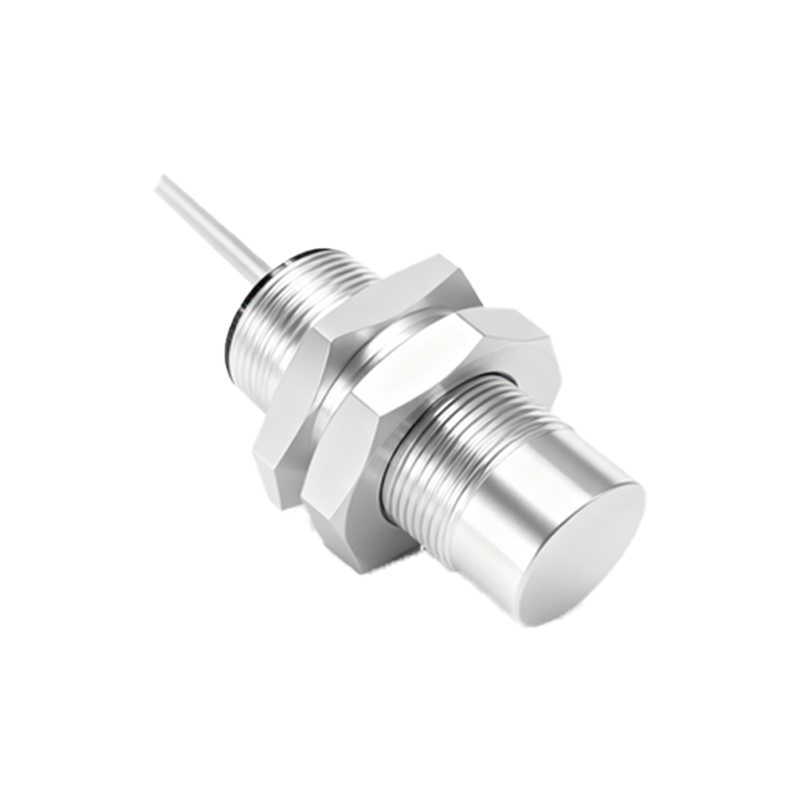
In the realm of industrial automation and electrical control systems, proximity sensors are indispensable components for non-contact object detection. Among the various configurations, the Normally Open (NO) type stands as a fundamental and widely utilized design. A Normally Open proximity sensor, in its default, non-activated state, maintains an open circuit between its output terminals. This means that when no target is within its specified sensing range, the electrical signal path is interrupted, and no output current flows. The core operational principle remains consistent across inductive, capacitive, and photoelectric variants: the sensor's internal switch changes state only upon detecting a valid target within its sensing field. This design is intentionally chosen for safety and logic control, ensuring that a system remains in a de-energized or safe state in the absence of a triggering object, which is a critical consideration in many machine guarding and process initiation applications.
Operating Principle and Internal Circuitry
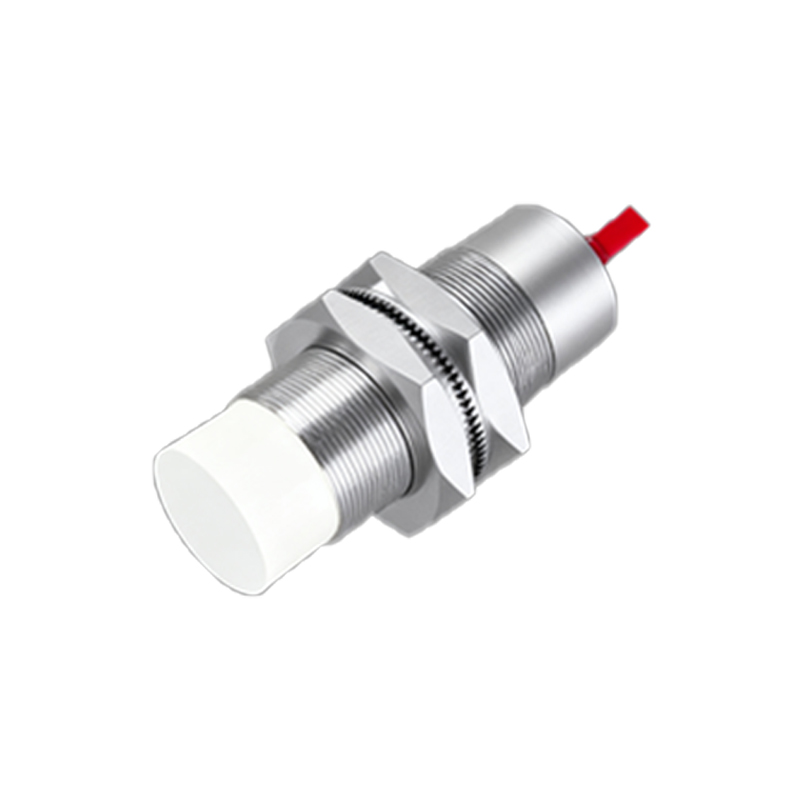
The internal switching mechanism of a Normally Open proximity sensor is typically solid-state, such as a transistor (for DC sensors) or a triac (for AC sensors). In the resting state with no target present, this output switching device is in an "off" or non-conducting state. When a metallic object (for inductive sensors) or any material (for capacitive sensors) enters the active sensing zone, it causes a change in the sensor's oscillator or field. This change is detected by the sensor's circuitry, which then sends a signal to the output stage, turning the switching device "on." This action closes the circuit between the output wires (usually the brown/positive and black/output wires in a 3-wire DC configuration), allowing current to flow to the connected load, such as a PLC input, relay coil, or indicator lamp. The sensor returns to its open-circuit, non-conducting state immediately after the target moves out of the detection range.
Wiring Diagrams and Practical Connection
Correct wiring is paramount for reliable operation. For a standard 3-wire DC Normally Open inductive proximity sensor, the connections are straightforward. The brown wire connects to the positive DC supply voltage (e.g., +24VDC). The blue wire connects to the negative or common (0VDC). The black wire is the signal output line. In the NO configuration, voltage appears on this black wire only when a target is detected. This black wire is connected to the input of the controller (like a PLC) or one side of the load. The other side of the load is then connected back to the negative supply. In a 2-wire AC sensor, the wiring integrates the sensor directly in series with the load and the AC line. It is crucial to consult the manufacturer's datasheet for voltage, current, and wiring specifications to prevent damage.
Contrast with Normally Closed (NC) Configuration
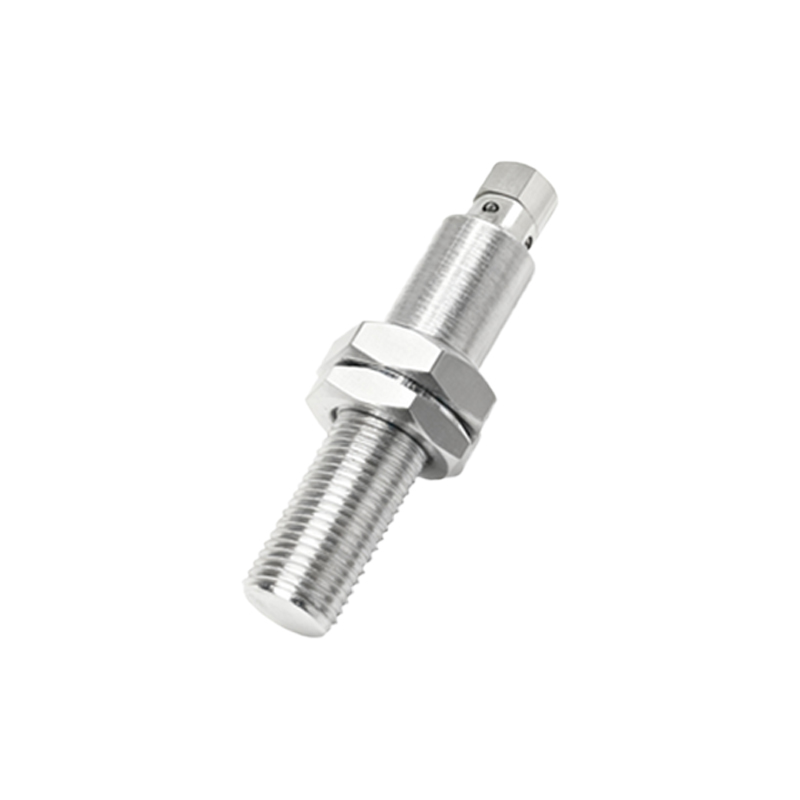
The functional opposite of the Normally Open sensor is the Normally Closed (NC) type. An NC sensor provides a closed circuit and a continuous output signal when no target is present. The output circuit opens (turns off) only when a target enters the sensing field. The choice between NO and NC is driven by the safety logic of the control circuit. NO sensors are often preferred for "active-high" logic where a signal indicates presence or an action start. NC sensors are frequently used in safety-critical circuits, such as door monitoring, where a wire break or sensor failure causes the circuit to open, signaling a fault—a principle known as "fail-safe." Understanding this distinction is essential for designing control systems that meet safety standards like ISO 13849.
Key Application Scenarios in Industry
Normally Open proximity sensors find extensive application across diverse industrial sectors. They are commonly used for part presence verification on assembly lines, counting objects on conveyors, detecting the end-of-travel position of a machine slide or cylinder, and initiating a process cycle when a part arrives at a workstation. In packaging machinery, they detect product position for precise filling or labeling. In material handling, they monitor bin levels or detect jams. The NO configuration is particularly useful in applications where an event should trigger an action, such as starting a motor or activating a solenoid when a part is in position, aligning with straightforward "if-then" control logic.
Selection Criteria and Best Practices
Selecting the appropriate Normally Open sensor requires careful consideration of several parameters. First, determine the sensing technology: inductive for metals, capacitive for non-metals or liquids, and photoelectric for long-range or precise detection. Key specifications include sensing distance (rated and practical), supply voltage range, output current capacity, switching frequency (response speed), housing material (e.g., nickel-plated brass or