Introduction to the 12N04 Proximity Sensor
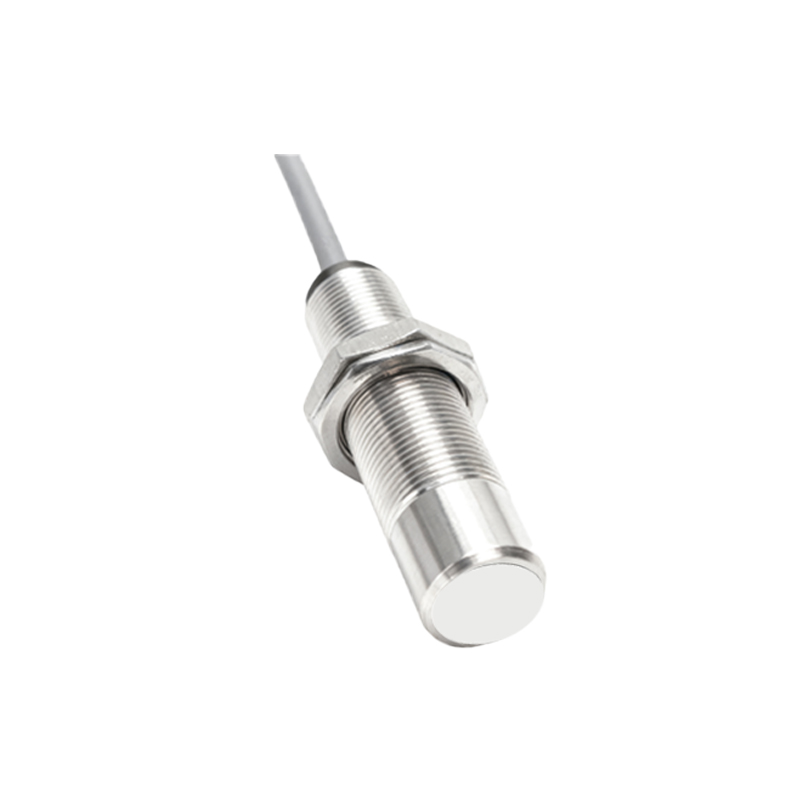
The 12N04 proximity switch sensor represents a fundamental component in modern industrial automation and control systems. As a type of inductive proximity sensor, it is engineered to detect the presence or absence of metallic objects without any physical contact. The designation "12N04" typically refers to specific electrical characteristics and form factor, often indicating a 12mm diameter cylindrical housing and a nominal operating voltage. These sensors are prized for their reliability, long operational life, and robustness in harsh industrial environments. Their non-contact nature eliminates mechanical wear and tear, making them superior to traditional mechanical limit switches for countless applications.
Core Operating Principle and Technology
At the heart of the 12N04 sensor lies the principle of electromagnetic induction. The sensor's active face contains a coil that is part of an oscillating circuit. When a metallic object enters the sensor's detection field, eddy currents are induced in the target. This causes a change in the oscillation amplitude or frequency within the sensor's circuit. An integrated evaluation circuit, often a Schmitt trigger, detects this change and switches the sensor's output state. The "Normally Open" (NO) or "Normally Closed" (NC) configuration, implied in some naming conventions, defines this output behavior. This solid-state switching provides a clean, bounce-free signal crucial for programmable logic controller (PLC) inputs.
Key Electrical Specifications and Parameters
Understanding the datasheet is critical for proper integration. A typical 12N04 sensor operates on a DC voltage range, commonly 10-30V DC. The output is usually a 3-wire configuration (brown for +V, blue for 0V, and black for the switched output) with a PNP (sourcing) or NPN (sinking) transistor. The rated operating current is a key parameter, often around 200mA, which dictates the load it can drive directly. The switching frequency, measured in Hertz, indicates how quickly it can detect objects in rapid succession. Other vital specs include the nominal sensing distance (Sn), hysteresis, and protection ratings like IP67, which denotes dust-tight and protection against temporary immersion.
Installation Considerations and Best Practices
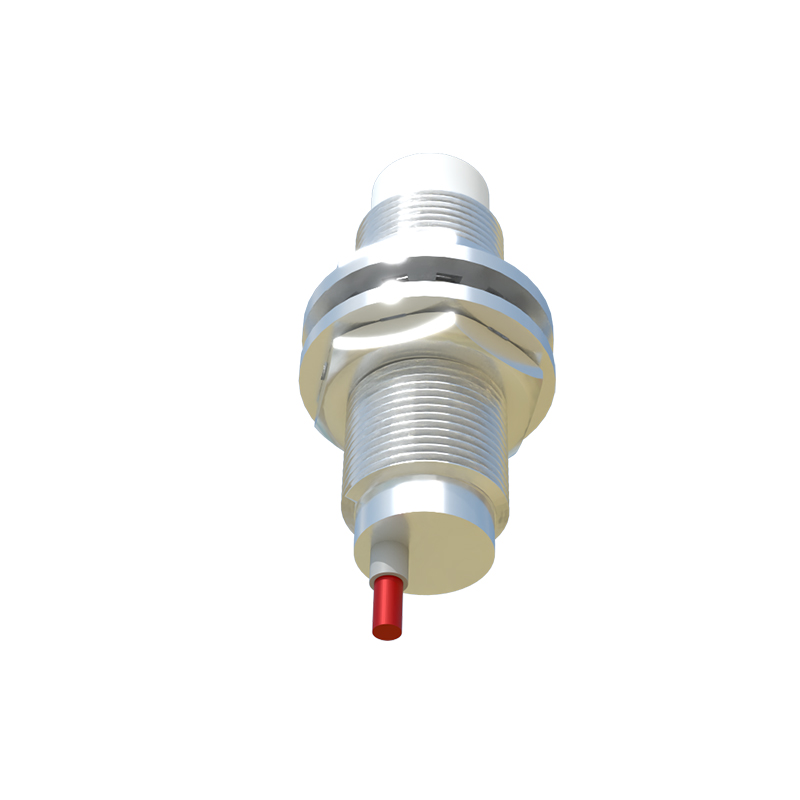
Correct installation is paramount for optimal performance and longevity. Engineers must adhere to the specified mounting conditions, ensuring proper flush or non-flush mounting as per the sensor's design. Maintaining the recommended lateral and axial distances between multiple sensors prevents mutual interference. The sensing face should be kept free of obstructions, buildup, or metallic swarf. For the wiring, using shielded cables in electrically noisy environments and ensuring proper grounding minimizes false triggers. Always follow the manufacturer's guidelines for wiring the positive, negative, and signal lines to the controller to prevent damage.
Common Applications in Industrial Systems
The versatility of the 12N04 proximity sensor makes it ubiquitous. It is extensively used for position detection—verifying if a cylinder is fully extended or retracted, or if a part is present on a conveyor. In rotary applications, it can detect gear teeth or holes for speed monitoring. It serves as a safety interlock by confirming guard doors are closed. In material handling, it counts metallic objects or controls sorting gates. Its robust build allows it to function reliably in machine tools, packaging machinery, automotive assembly lines, and robotic cells, providing the essential "eyes" for automated processes.
Troubleshooting and Maintenance Guidelines
Despite their durability, sensors can fail. Common issues include no output signal, erratic switching, or reduced sensing range. A systematic approach starts with verifying the power supply voltage and polarity at the sensor. Check for physical damage to the housing or cable. Use a multimeter to measure the output voltage state with and without a target present. Ensure the target material, size, and approach are within specifications; some sensors are tuned for ferrous metals only. Regular maintenance involves visual inspection for contamination and periodic functional checks. Most failures stem from wiring errors, power issues, or physical damage rather than internal electronic failure.
Advancements and Comparison with Other Sensor Types
While the inductive 12N04 is excellent for metals, understanding its limitations is key. For non-metallic objects, capacitive or ultrasonic proximity sensors are required. Photoelectric sensors offer longer ranges. Modern advancements include sensors with IO-Link communication, which provide diagnostic data like operating hours, temperature warnings, and signal strength, enabling predictive maintenance. Compared to older models, contemporary 12N04-type sensors often feature improved noise immunity, wider temperature ranges, and enhanced protection against voltage transients and short circuits, aligning with the demands of Industry 4.0 and smart factories.