Introduction to Capacitive Proximity Sensors
Capacitive proximity switch sensors are versatile electronic devices designed to detect both metallic and non-metallic objects without physical contact. Operating on the principle of capacitance change, these sensors generate an electrostatic field. When a target object enters this field, it alters the capacitance, triggering the sensor's output. The 3mm variant represents a compact solution, ideal for applications with stringent space constraints. Its small form factor does not compromise performance, offering reliable detection in diverse industrial environments. Engineers favor capacitive sensors for their ability to sense materials like plastics, liquids, and granular substances, making them superior to inductive sensors in many scenarios.
Working Principle and Technical Specifications
The core functionality of a 3mm capacitive proximity sensor relies on the oscillator circuit. Initially, the oscillator is inactive. As an object approaches the sensing face, the capacitance increases, activating the oscillator. This change is processed by the threshold circuit, which switches the output state. Key technical specifications include a sensing range typically up to 1.5mm, though this can vary based on material dielectric constant. Operating voltages commonly range from 10-30V DC, with outputs available in NPN, PNP, or analog formats. The housing is often constructed from stainless steel or PBT plastic, ensuring durability in harsh conditions. Response times are swift, usually under 1ms, enabling high-speed applications.
Design and Installation Considerations
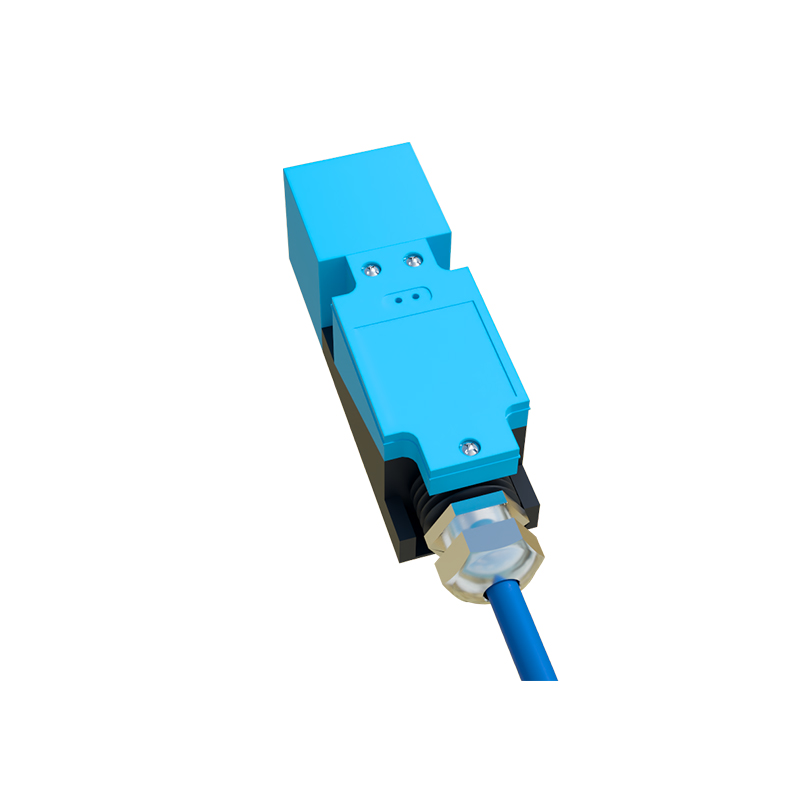
Implementing 3mm capacitive sensors requires careful planning. Mounting should avoid metal surfaces or other conductive materials in close proximity to prevent false triggering. Engineers must account for the target material's properties; for instance, non-conductive objects may necessitate reduced sensing distances. Environmental factors like humidity, dust, or temperature fluctuations can influence performance, so selecting sensors with appropriate IP ratings (e.g., IP67) is crucial. Wiring must follow manufacturer guidelines, with shielded cables recommended to minimize electromagnetic interference. Regular calibration may be needed to maintain accuracy, especially when detecting varying material types.
Applications in Industrial Automation
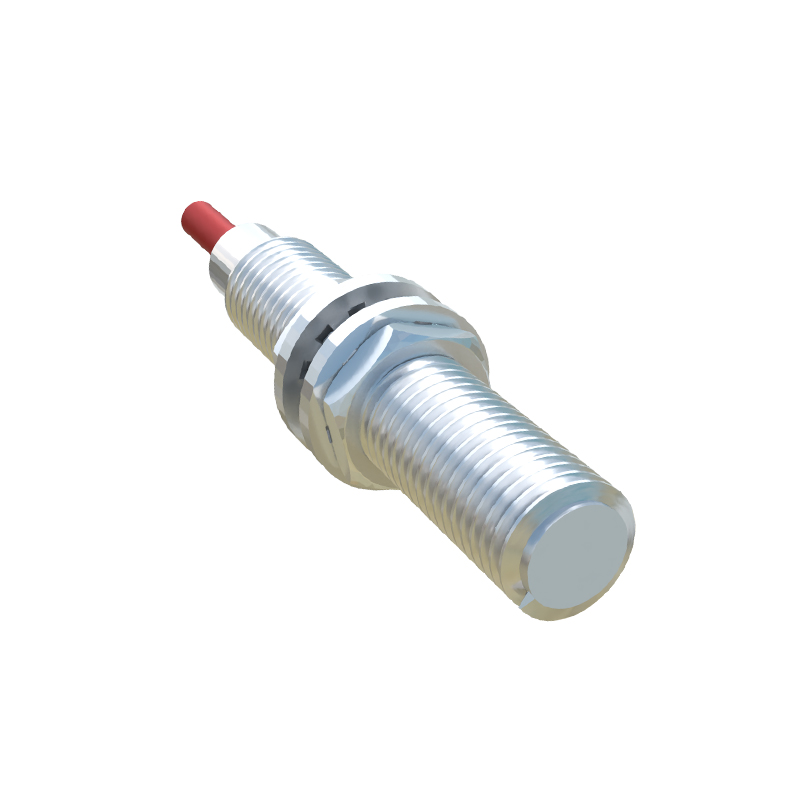
The compact size of 3mm capacitive sensors makes them indispensable in modern automation systems. Common applications include level detection in tanks for liquids or powders, where they monitor fill heights without direct contact. In packaging machinery, they verify the presence of plastic caps or glass containers on conveyor belts. Electronics assembly lines utilize these sensors for precise component positioning, such as detecting PCB boards or silicone parts. Additionally, they serve in safety systems to confirm door closures or guard positions. Their versatility extends to food processing, where hygiene standards require non-invasive sensing of ingredients like flour or oil.
Advantages and Limitations
Capacitive proximity sensors offer significant benefits, including multi-material detection, high sensitivity adjustment via potentiometers, and resilience against surface contaminants like dirt or moisture. The 3mm size allows integration into miniature devices, enhancing design flexibility. However, limitations exist: sensitivity to environmental changes can cause drift, requiring periodic adjustments. They may also detect unintended objects if not properly shielded, leading to operational errors. Compared to larger sensors, the 3mm version has a shorter sensing range, which may not suit all applications. Engineers must weigh these factors against project requirements.
Maintenance and Troubleshooting Tips
To ensure longevity, routine maintenance of 3mm capacitive sensors involves cleaning the sensing face with a soft cloth to remove debris that could affect performance. Avoid using abrasive chemicals that might damage the housing. Troubleshooting common issues starts with verifying power supply stability and output load compatibility. If false triggers occur, check for environmental interferences or adjust the sensitivity setting. For persistent failures, inspect wiring connections for corrosion or breaks. Logging operational data can help identify patterns, such as temperature-related malfunctions. Replacing sensors in high-vibration areas with robust models may prevent premature wear.
Future Trends and Innovations
The evolution of 3mm capacitive proximity sensors is driven by Industry 4.0 demands. Emerging trends include IoT integration, enabling real-time monitoring and predictive maintenance via wireless connectivity. Miniaturization continues, with sensors becoming even smaller while enhancing sensitivity through advanced semiconductor technology. Smart sensors with embedded diagnostics are gaining popularity, offering self-calibration features to reduce downtime. Materials science innovations may lead to more resilient coatings, extending sensor life in corrosive environments. As automation advances, these sensors will play a pivotal role in robotics and AI-driven systems, prioritizing efficiency and reliability.