Introduction to Pressure Cooker Sensor Evolution
The landscape of modern kitchen appliances is undergoing a silent revolution, driven by the relentless pursuit of precision and safety. At the heart of this transformation lies the pressure cooker sensor, a critical component whose performance metrics are increasingly benchmarked against the theoretical ideal of "zero." This concept does not imply a literal null value but represents an asymptotic approach towards minimal error, maximal responsiveness, and near-instantaneous feedback. For engineers and product developers in the electrical and appliance sector, this trend signifies a paradigm shift from mechanical regulation to intelligent, sensor-driven control systems. The drive towards zero encompasses multiple facets: zero lag in pressure detection, zero drift in calibration over time, and zero tolerance for failure in safety-critical scenarios. This article delves into the technical intricacies of how contemporary pressure cooker sensors are engineered to approach these zero-point benchmarks, examining the underlying technologies, design challenges, and implications for future appliance standards.
Core Technologies Enabling Near-Zero Performance
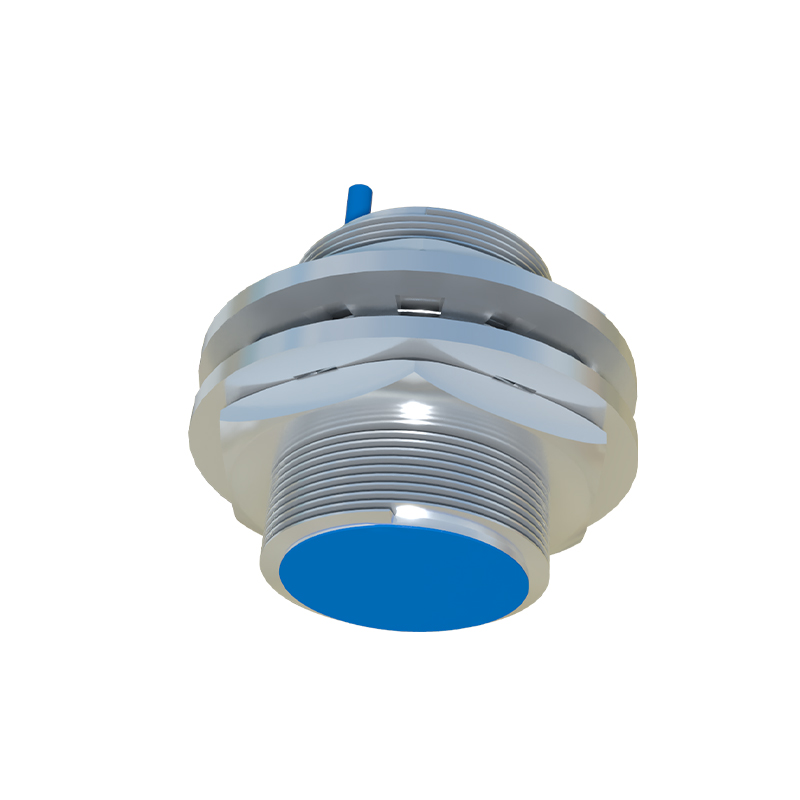
Achieving sensor performance that approaches zero-error thresholds relies on a confluence of advanced technologies. Modern pressure cookers predominantly utilize micro-electromechanical systems (MEMS) pressure sensors. These semiconductor-based devices translate mechanical pressure force into precise electrical signals. The journey towards "zero" is enabled by enhancements in MEMS fabrication, yielding diaphragms with exceptional sensitivity and minimal hysteresis. Coupled with these are high-resolution analog-to-digital converters (ADCs) that digitize the sensor's output with remarkable accuracy. Signal conditioning circuits play an equally vital role, employing temperature compensation algorithms to negate thermal drift—a traditional source of error. Furthermore, the integration of microcontroller units (MCUs) with dedicated sensor fusion algorithms allows for real-time data processing, filtering out noise and ensuring the pressure reading reflects the true internal state of the cooker instantaneously, thereby minimizing temporal lag to near-zero levels.
Design Challenges in Approaching the Zero Threshold
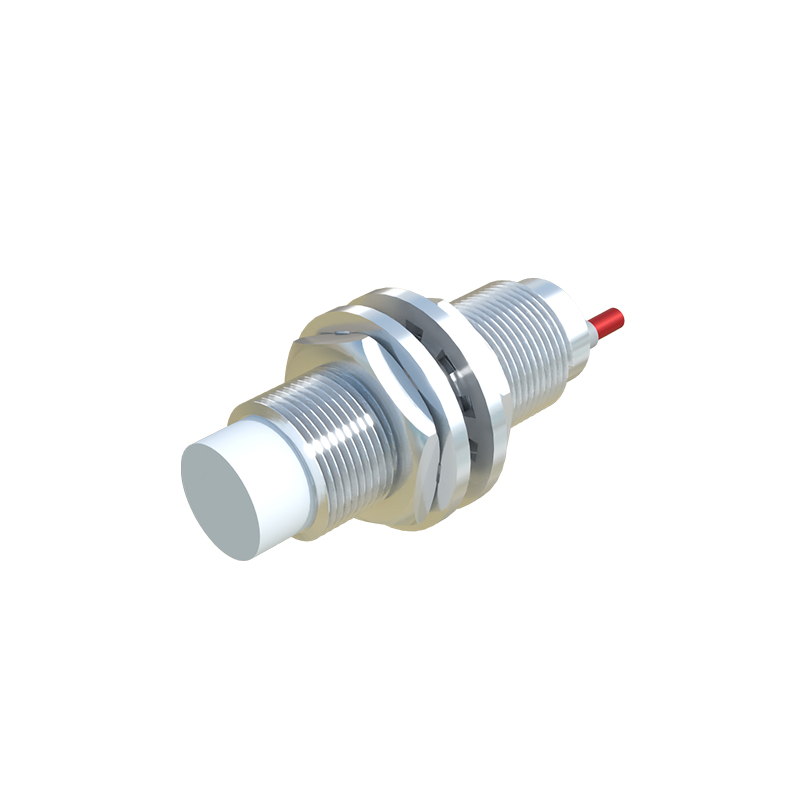
The engineering path to a sensor approaching zero is fraught with significant challenges. One primary hurdle is environmental robustness. A pressure cooker sensor must operate reliably across a wide temperature range, from room temperature to well above 100°C, and in a high-humidity, steam-saturated environment. Ensuring zero drift under these conditions requires sophisticated material science in sensor packaging and hermetic sealing. Another critical challenge is long-term stability, or the absence of calibration drift over thousands of cooking cycles. Mechanical stress fatigue on the MEMS diaphragm can lead to creeping deviations. Engineers combat this through rigorous lifecycle testing and designs that distribute stress evenly. Additionally, achieving zero-latency response must be balanced against power consumption, especially in battery-powered smart models. This necessitates ultra-low-power sensor designs and efficient wake-up protocols, ensuring the sensor is "always ready" without draining energy resources.
Implications for Safety and User Experience
The asymptotic approach of sensor performance to zero has profound implications that extend far beyond technical specifications. From a safety perspective, it enables a new generation of fail-safe mechanisms. With near-instantaneous and accurate pressure readings, the control system can make micro-adjustments to heating elements long before pressure reaches critical levels, virtually eliminating the risk of over-pressurization. This real-time precision allows for the implementation of software-based safety locks, complementing traditional mechanical pressure release valves. For user experience, this technological leap translates to unparalleled consistency and control. Recipes can be executed with repeatable accuracy, as the sensor ensures the pressure is maintained at the exact set point (e.g., high or low pressure) with minimal fluctuation. It also paves the way for advanced cooking programs and connectivity features, where the appliance can adjust cooking parameters dynamically based on the sensor's real-time data stream, promising perfect results with zero guesswork.
Future Trajectories and Industry Standards
The trajectory for pressure cooker sensor technology is clearly aimed at further closing the gap to ideal zero-error performance. Future developments are likely to focus on the integration of multi-modal sensing. Imagine a sensor array that not only measures pressure with zero lag but also concurrently monitors internal temperature and even acoustic signatures to detect boiling stages or food consistency. The fusion of this data through advanced AI algorithms on the MCU will create a truly intelligent cooking environment. Furthermore, the industry is moving towards standardizing these high-precision sensor benchmarks. New safety and performance certifications may soon include metrics for response time, accuracy over lifespan, and drift limits, pushing all manufacturers towards the zero ideal. This evolution will also foster greater interoperability in smart kitchens, where a pressure cooker's zero-latency sensor data can seamlessly integrate with other appliances and cloud-based cooking platforms, heralding an era of hyper-precise, automated food preparation.