Introduction to Green Proximity Sensors
Green proximity sensors, often referred to as environmentally friendly or energy-efficient proximity sensors, are widely used in industrial automation for detecting objects without physical contact. These sensors leverage technologies such as inductive, capacitive, or photoelectric principles to minimize energy consumption and reduce environmental impact. They are integral to applications in manufacturing, packaging, and robotics, where precision and sustainability are prioritized. Despite their advantages, users may encounter various operational challenges that can affect performance. This article addresses common issues with green proximity sensors, offering practical solutions to ensure reliability and efficiency in industrial settings.
Inconsistent Detection Range
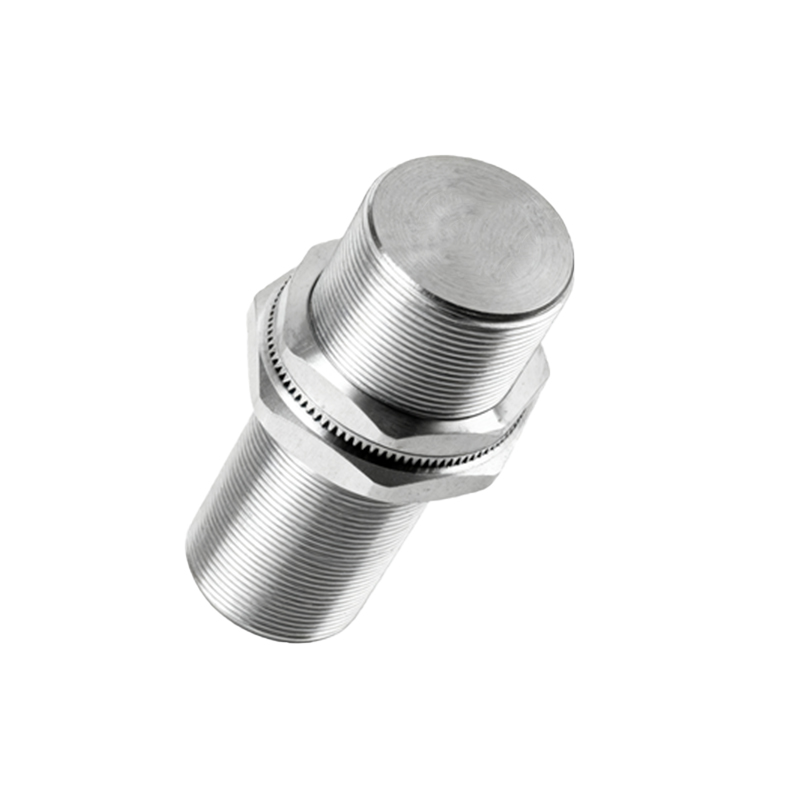
One frequent problem with green proximity sensors is inconsistent detection range, where the sensor fails to detect objects at the expected distance. This issue often stems from environmental factors like temperature fluctuations, humidity, or interference from nearby electrical equipment. For instance, inductive sensors may experience reduced range when exposed to metallic dust or other conductive materials. To resolve this, ensure the sensor is installed according to manufacturer specifications, maintaining a clear operating environment. Regular calibration and using sensors with adjustable sensing ranges can also enhance consistency. Additionally, selecting sensors with robust housing materials can mitigate effects from harsh conditions.
False Triggering and Noise Interference
False triggering occurs when a green proximity sensor activates without an actual target present, often due to electrical noise or electromagnetic interference (EMI). This is common in facilities with high-power machinery, variable frequency drives, or wireless devices. To combat this, implement shielding techniques such as grounded metal enclosures or twisted-pair cables for sensor wiring. Using sensors with built-in noise immunity features, like differential outputs or filtering circuits, can significantly reduce false signals. It's also advisable to separate sensor cables from power lines and employ ferrite cores to suppress high-frequency interference, ensuring stable operation.
Power Supply and Voltage Fluctuations
Green proximity sensors are designed for low power consumption, but they can be sensitive to voltage fluctuations or unstable power supplies. Issues like sensor dropout or erratic behavior may arise from inadequate voltage levels or surges. To prevent this, use regulated power sources with proper voltage ratings, typically within 10-30V DC for most models. Installing surge protectors or uninterruptible power supplies (UPS) can safeguard against transient spikes. Regularly check connections for corrosion or loose terminals, as these can lead to voltage drops. For energy-efficient setups, consider sensors with wide operating voltage ranges to accommodate minor variations without compromising performance.
Environmental Contamination and Durability
In industrial environments, green proximity sensors may face contamination from oils, coolants, or debris, leading to reduced sensitivity or failure. For example, capacitive sensors can be affected by moisture buildup, while photoelectric sensors might struggle with dusty atmospheres. To address this, choose sensors with appropriate ingress protection (IP) ratings, such as IP67 or higher, for resistance against dust and liquids. Routine cleaning with non-abrasive materials and ensuring proper sealing during installation can extend sensor lifespan. In extreme conditions, opt for sensors with corrosion-resistant coatings or those specifically designed for harsh applications, like food processing or outdoor use.
Wiring and Connection Problems
Faulty wiring or poor connections are common culprits behind sensor malfunctions, including intermittent signals or complete failure. Issues like short circuits, open wires, or incorrect polarity can disrupt sensor operation. To troubleshoot, inspect cables for damage and verify wiring diagrams against sensor specifications. Use high-quality connectors and secure terminals to prevent vibration-induced loosening. For complex setups, labeling wires and conducting continuity tests can simplify maintenance. Additionally, ensure proper grounding to avoid ground loops, which may introduce errors in sensor readings.
Calibration and Maintenance Best Practices
Regular calibration and maintenance are essential for optimal performance of green proximity sensors. Over time, wear and tear or component aging can lead to drift in sensing accuracy. Establish a maintenance schedule that includes cleaning, testing detection ranges, and checking alignment. Many modern sensors feature self-diagnostic functions or LED indicators for quick status checks. Keep a log of calibration dates and environmental conditions to identify patterns in issues. Training personnel on proper handling and storage procedures can also prevent accidental damage, ensuring long-term reliability and sustainability in operations.
Conclusion and Future Trends
Addressing common issues with green proximity sensors involves a combination of proper installation, environmental management, and routine maintenance. By understanding factors like detection range, interference, and power stability, users can enhance sensor efficiency and contribute to greener industrial practices. As technology advances, trends like IoT integration and smart sensors with predictive maintenance capabilities are emerging, offering real-time monitoring and reduced downtime. Embracing these innovations can further optimize the use of green